Underfloor heating has rapidly emerged as one of the most effective and sought‑after solutions for achieving consistent, energy‑efficient indoor warmth in modern buildings. Unlike traditional radiators, underfloor heating distributes heat evenly across the floor surface and throughout the space, eliminating cold spots and enhancing comfort levels across residential, commercial, and hospitality environments. Top‑ranked content in Egypt consistently highlights its ability to provide stable warmth while lowering energy consumption and enhancing the value of properties.
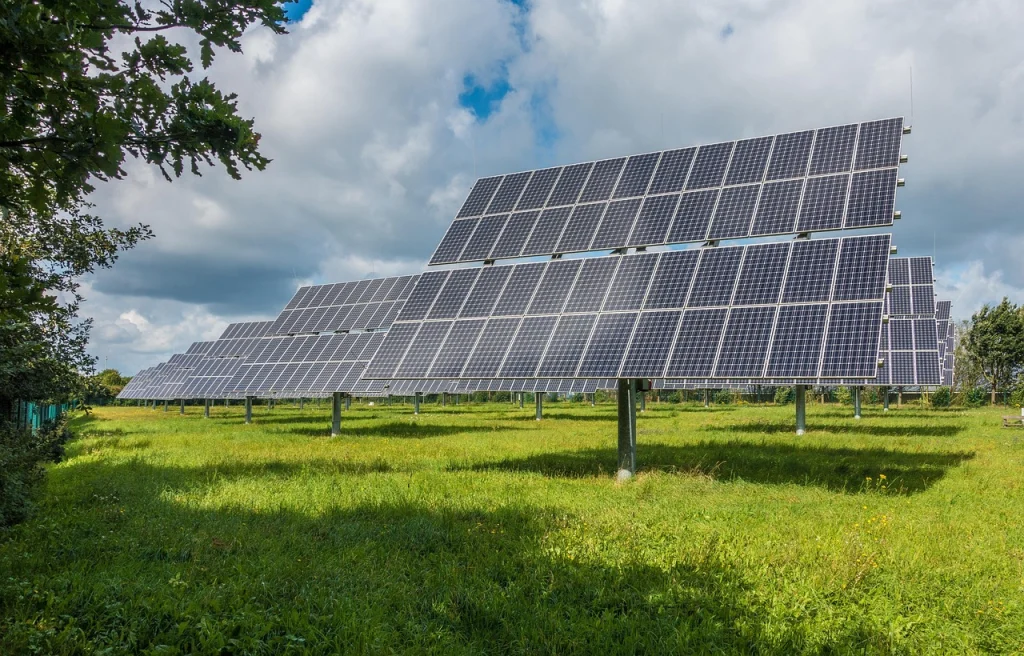
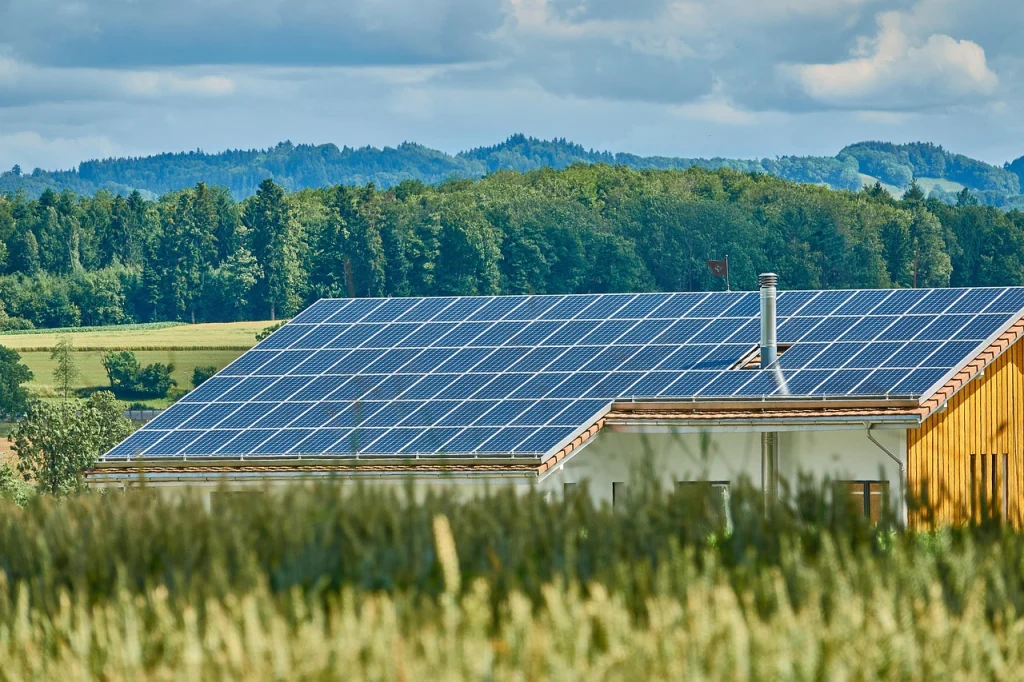
In Egypt’s diverse climate — where winters can be cool and humidity can make indoor spaces feel uncomfortable — engineered heating systems are no longer luxury additions. They are strategic investments in long‑term comfort, property value, and cost‑efficient living, especially when combined with renewable energy technologies like solar power systems using premium panels from JA Solar and Jinko Solar and supported by companies with deep regional expertise like Acropol.
What Is Underfloor Heating? — A Clear Technical Overview
Definition and Core Mechanism
Underfloor heating is a radiant heating system installed beneath the finished floor, designed to transfer heat uniformly upward into living spaces. Heat is radiated from the entire floor area rather than concentrated in a single location like wall radiators or convectors. This form of heating relies on either electric heating elements or warm water circulated through pipes embedded below the floor surface.
Main Types of Underfloor Heating Systems
1. Electric Underfloor Heating
- Uses electric cables or mats installed beneath flooring materials.
- Ideal for smaller rooms, renovations, and areas without access to central boilers.
- Lower initial installation cost and easier installation timeline.
2. Hydronic (Water‑Based) Underfloor Heating
- Circulates warm water through PEX pipes embedded in the subfloor.
- Highly efficient for large spaces, villas, and spaces integrated with heat pumps or boilers.
- Beneficial when integrating with solar thermal or renewable heat sources.
Both systems distribute warmth by radiant heat, meaning floors are comfortably warm to the touch and heat migrates upward to maintain stable room temperatures.
Get to know more about Composite wall heat transfer Made Efficient and Affordable by Acropol Wall Heating
Technical Layers of a Typical System
- Subfloor preparation and insulation layer
- Vapor and moisture barriers
- Heating elements (pipes or cables)
- Screed covering
- Final flooring materials such as tile, marble, wood, or laminate
How Underfloor Heating Works — Principles Behind the Comfort
Radiant Heat Distribution
Unlike convective systems that warm air only, underfloor heating delivers radiant warmth that heats surfaces first and then the air above them. This results in consistent thermal comfort without cold spots.
Lower Operating Temperatures, Higher Efficiency
Hydronic systems often operate at 35–45°C, significantly lower than conventional radiator temperatures (65–80°C). This lower heat demand improves overall system efficiency and reduces operating costs, especially when paired with high‑efficiency heat sources.
Explore more about Why Acropol’s wall heating system Beats Traditional Heaters in Egypt’s Climate
Key Benefits of Underfloor Heating
1. Enhanced Comfort and Even Heat Distribution
- Ideal for bare feet warmth and overall space comfort.
- Eliminates drafts and temperature gradients common in traditional systems.
2. Improved Energy Efficiency
- Operates at low temperatures requiring less energy for the same comfort level.
- Can reduce energy consumption and heating costs by up to 20–30% compared to traditional systems when properly executed.
3. Invisible and Space‑Saving
- No radiators or heaters protruding from walls — maximizes interior design freedom.
4. Better Indoor Air Quality
- Reduces forced air circulation, minimizing dust and allergens — ideal for allergy sufferers and sensitive occupants.
5. Longevity and Low Maintenance
- Embedded systems require minimal maintenance once installed, particularly hydronic designs that use corrosion‑resistant PEX pipes and controlled manifolds.
Understand more about How a Swimming Pool Heating System from Acropol Saves Energy and Cost in Egypt
Underfloor Heating Costs in Egypt — What to Expect in 2026
Understanding cost breakdowns helps homeowners and developers plan effectively.
Approximate Installation Costs
- Electric underfloor heating: Typically less expensive for small areas but higher running costs in larger spaces.
- Hydronic underfloor heating: Higher initial investment but lower operational cost and better integration with renewable systems like solar water heaters or heat pumps.
Typical ranges (indicative):
- Electric system: Moderate cost per m²
- Hydronic system: Higher per m² but sustainable long‑term savings
Detailed quotes should always consider:
- Floor size and layout
- Insulation quality
- Desired control (zoning, thermostat systems)
- Integration with solar or hybrid sources
Find out more about Why a Swimming Pool Heat Pump Is the Best Option for Eco-Friendly Pool Heating
Design and Installation Process
Successful underfloor heating requires careful engineering and site assessment.
Professional Installation Steps
- Subfloor preparation with appropriate insulation.
- Placement of heating elements in precise patterns.
- Pressure testing (for hydronic systems) to ensure no leaks.
- Installation of thermostats and control systems.
- Final flooring application and commissioning.
Smart Controls and Zoning
Modern installations include:
- Zoned temperature control per room.
- Smart thermostats with scheduling and remote access.
- Energy optimization and adaptive scheduling for cost savings.
Get to know more about Pool Heat Exchanger Explained: How It Works and Saves Energy in Pool Heating
Choosing the Right System for Your Property
Electric vs. Hydronic Underfloor Heating
- Electric: Best for small areas, bathrooms, and retrofit spaces.
- Hydronic: Optimal for whole homes, large villas, and integration with renewable systems like solar thermal.
Flooring Material Considerations
Underfloor heating works best with:
- Tiles, marble, and porcelain (high conductivity).
- Engineered wood or laminate (with proper specifications).
Compatibility varies with floor type and heat output requirements.
Discover more aboutUnderfloor Heating Actuator Buying Guide: Voltage, Power and Compatibility Tips
Why Underfloor Heating Is Ideal for Modern Egyptian Homes
- Egypt’s rising interest in energy‑efficient comfort solutions makes underfloor heating a preferred choice.
- It supports stable indoor climates in coastal, delta, and desert interiors where temperature swings are common.
- Works efficiently with hybrid systems combining solar energy and heat pumps.
Discover more about Heating a Swimming Pool with Solar and Heat Pump Options in Egypt
Integration with Solar and Renewable Energy
Hybrid designs pairing underfloor heating with solar thermal systems (e.g., solar water heaters) reduce reliance on conventional electricity. Solar collectors can preheat water for hydronic systems at low temperatures, lowering energy bills and carbon footprint.
Common Mistakes to Avoid
- Poor or inadequate insulation beneath the heat elements.
- Incorrect spacing or installation of heating cables/pipes.
- Using low‑quality materials that degrade over time.
- Ignoring proper control systems for zoning and scheduling.
Maintenance and Longevity
Underfloor heating requires minimal maintenance, but periodic checks ensure peak performance:
- Thermostat calibration
- Manifold and pump inspections
- Flux monitoring for hydronic systems
Routine checks preserve efficiency and extend system life.
Frequently Asked Questions About Underfloor Heating
- What is underfloor heating?
Underfloor heating is a radiant heating system installed beneath your floor, designed to distribute warmth evenly throughout the room, ensuring comfort and eliminating cold spots. - Is underfloor heating energy efficient?
Yes. By operating at lower temperatures than conventional radiators and utilizing renewable energy sources like solar panels (JA Solar, Jinko Solar) or heat pumps, underfloor heating can significantly reduce energy consumption and operating costs. - Can it work with solar or hybrid systems?
Absolutely. Hydronic underfloor heating systems integrate seamlessly with solar water heaters like Dimas, heat pumps, or Ariston gas heaters, optimizing energy efficiency and sustainability. - How long does installation take?
Installation time varies depending on floor size and system type, but professional companies like Acropol ensure precise, efficient installation with minimal disruption. - Is it safe and durable?
Yes. Using high-quality materials and corrosion-resistant pipes, underfloor heating systems are long-lasting, safe, and require minimal maintenance when installed and maintained by certified experts like Acropol . - Who should consider underfloor heating?
Ideal for villas, hotels, resorts, wellness facilities, or any modern residential or commercial property in Egypt looking for year-round comfort, energy efficiency, and long-term value.
Acropol’s Expertise in Underfloor Heating and Integrated Systems
As Egypt’s trusted and certified provider of advanced energy and heating solutions, Acropol leads in:
- Customized system design based on detailed heat‑loss calculations and local climate data.
- Integration with solar energy systems using premium panels from JA Solar and Jinko Solar.
- Professional installation ensuring peak performance and safety.
- Smart control integration, zoning, and long‑term service support.
- Tailored solutions for homes, commercial spaces, and hospitality environments.
Acropol’s approach ensures underfloor heating is not only efficient and elegant but also cost‑effective and future‑ready in Egypt’s dynamic climate landscape.
Conclusion — Why Underfloor Heating Is a Future‑Ready Choice for 2026
Underfloor heating offers a high‑comfort, energy‑efficient, and visually seamless heating solution that aligns with modern lifestyle and sustainability goals. By distributing heat evenly across floor surfaces and operating at lower temperatures, it delivers comfort with lower running costs and reduced environmental impact. When engineered by trusted providers like Acropol and integrated with renewable technologies like solar power from JA Solar and Jinko Solar, it becomes a cornerstone of efficient, elegant, and future‑ready building design in Egypt.
Experience Ultimate Comfort with Acropol Underfloor Heating
Upgrade your home or commercial space with Acropol’s certified underfloor heating solutions. Enjoy evenly distributed warmth, reduced energy costs, and seamless integration with solar panels (JA Solar, Jinko Solar) or Dimas solar water heaters. Trust Egypt’s most reliable heating provider for professional design, precise installation, and long-term support.
Contact Acropol today to design your customized underfloor heating system and transform your space into a cozy, energy-efficient haven.