Duplex Submersible Pumps for Solar Applications

A duplex submersible pump system can support irrigation, water transfer, and remote agricultural sites when it is selected as part of a complete solar pumping design. The best choice is not simply the pump with the highest horsepower: flow rate, total dynamic head, water source, pipe losses, and daily operating hours all matter.
What does “duplex” mean?

In many projects, duplex refers to a two-pump arrangement or a pump configuration designed for higher capacity and operational flexibility. Before purchasing, confirm the exact manufacturer specification, because terminology can differ between suppliers.
When is it a good fit?
- Large irrigation demand that exceeds the output of a single small pump.
- Sites that need redundancy to reduce downtime.
- Applications where water demand changes across the season.
Key sizing checks
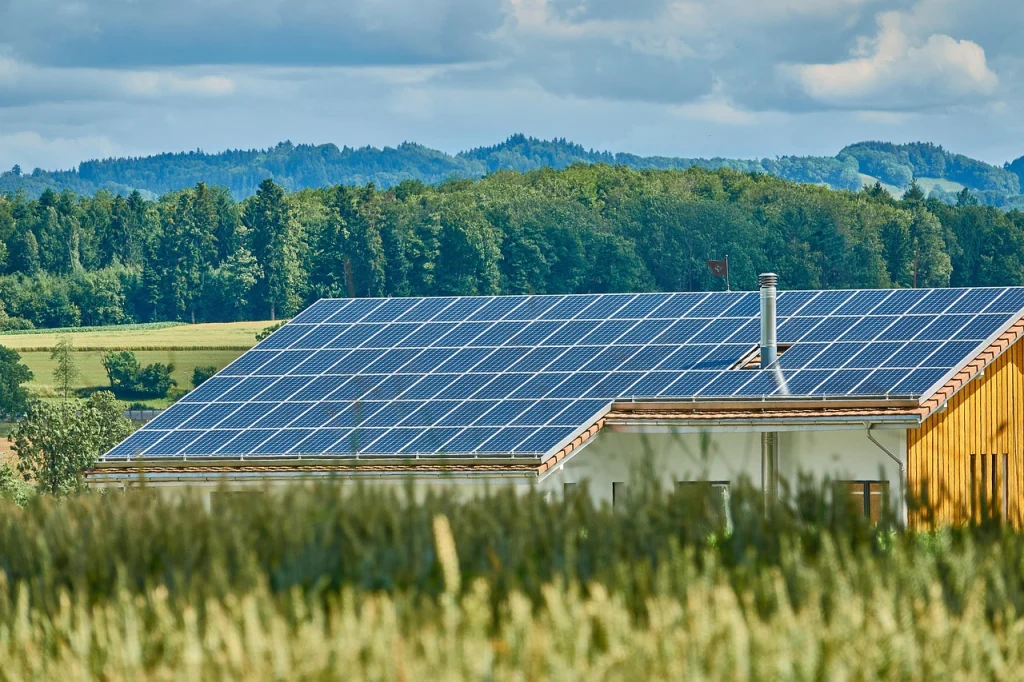
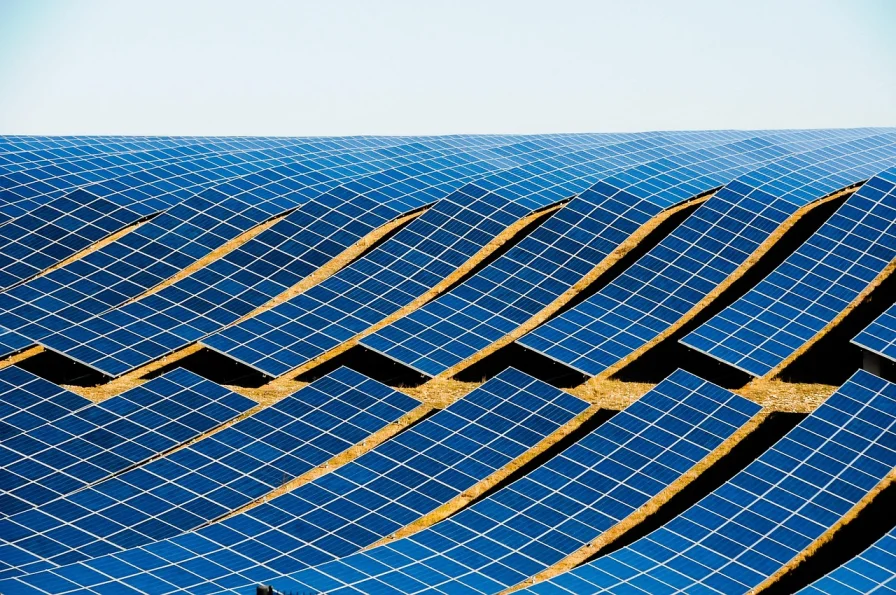
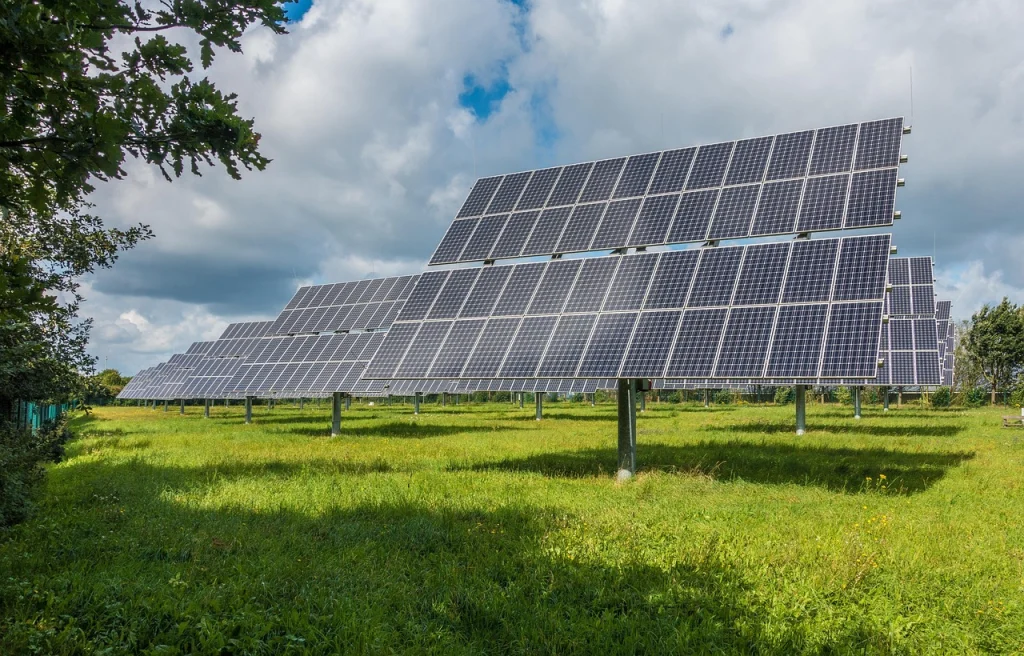
Start with the required daily water volume, then calculate the pumping head from water level, elevation, pressure requirements, and pipe friction. The solar array, controller or inverter, cables, protection devices, and pipe network should be sized around that duty point. Oversizing panels or choosing a pump by horsepower alone can create poor performance and unnecessary cost.
Solar-pump installation essentials
Use suitable electrical protection, grounding, and weather-resistant connections. Keep panels clear of shading, secure the mounting structure, and provide access for maintenance. A qualified installer should also check borehole conditions and water quality before final selection.
Conclusion
A duplex submersible pump can be efficient when the hydraulic design and solar system match the site. Request a site survey and a clear performance proposal showing expected flow, head, equipment scope, and warranty terms.