Submersible Pump Maintenance Secrets for Reliable Solar Pumps

Solar-powered water pumps are becoming an increasingly practical solution for farms, irrigation systems, wells, residential properties, and remote locations in Egypt. They reduce dependence on conventional electricity and fuel while turning abundant sunlight into a useful source of pumping power.

However, installing a high-quality solar pump is only the beginning. The real key to protecting your investment is consistent Submersible Pump Maintenance.

A submersible pump operates below the water surface, where many problems are difficult to see before they become serious. A damaged cable, blocked intake, worn impeller, failing seal, unstable controller, or changing water level can gradually reduce performance and eventually lead to an expensive breakdown.

Effective Submersible Pump Maintenance does not mean waiting until the pump stops working. It means monitoring the complete system, identifying small changes early, and correcting them before they develop into major failures.

For Egyptian farms and properties, choosing the right maintenance partner is equally important. provides solar-powered water pumping solutions, installation, maintenance, and technical support, helping customers protect their systems and improve long-term operating efficiency.

What Is Submersible Pump Maintenance?

Submersible Pump Maintenance is the process of inspecting, testing, cleaning, adjusting, and repairing a pump and its supporting equipment to keep the system operating safely and efficiently.

Unlike surface pumps, submersible pumps are installed inside wells, tanks, or other water sources. This makes preventive inspection particularly important because mechanical and electrical problems may not be immediately visible.

A complete maintenance program can include:

  • Checking pump performance and water flow
  • Inspecting electrical cables and connections
  • Checking motor current and operating voltage
  • Inspecting the impeller and pump body
  • Checking seals for leakage
  • Monitoring vibration and unusual sounds
  • Checking water levels
  • Inspecting pipes, valves, and fittings
  • Testing the solar pump controller
  • Inspecting solar panels and their connections
  • Checking protection devices
  • Recording performance data over time

Professional maintenance guides commonly emphasize the same principles: inspect electrical components, monitor motor performance, check seals and impellers, verify flow and pressure, and maintain a documented schedule rather than relying only on emergency repairs.

Why Is Submersible Pump Maintenance Important for Solar Systems?

A solar pumping system is not simply a pump connected to solar panels. It is an integrated system consisting of several components that must work together.

A typical system may include:

  1. Solar panels
  2. Solar pump controller or inverter
  3. Electrical protection equipment
  4. Submersible pump
  5. Submersible motor
  6. Cables
  7. Pipes
  8. Valves
  9. Water-level sensors
  10. Storage tank or irrigation network

A problem in one component can affect the entire system.

For example, dirty or shaded solar panels can reduce available power. A poorly configured controller can prevent the pump from operating correctly. A damaged cable can create voltage loss. A blocked pump intake can reduce water flow and increase mechanical stress.

This is why effective Submersible Pump Maintenance must examine the entire pumping system rather than focusing only on the pump itself.

The Most Important Submersible Pump Maintenance Checks

1. Monitor Water Flow

Water flow is one of the easiest indicators of pump performance.

If the system previously delivered a consistent volume of water but output gradually decreases, the problem should be investigated rather than ignored.

Reduced flow may result from:

  • A blocked intake
  • Impeller wear
  • Pipe blockage
  • Valve problems
  • Falling groundwater level
  • Cable or electrical problems
  • Controller faults
  • Insufficient solar power
  • Incorrect pump operating conditions

Recording flow performance at regular intervals makes it easier to identify gradual deterioration.

2. Check Motor Current and Voltage

Electrical measurements are essential during professional Submersible Pump Maintenance.

The motor should operate within the voltage and current ranges specified by the manufacturer. Abnormal current may indicate excessive mechanical load, electrical problems, incorrect operating conditions, or motor deterioration.

For solar-powered systems, technicians should also evaluate the relationship between the PV array, controller, and pump. The goal is not simply to confirm that electricity is available but to determine whether the system is delivering the correct electrical conditions under load.

Electrical inspection should always be performed by a qualified technician using appropriate test equipment.

3. Inspect the Pump Cable

The underwater cable is one of the most critical components of a submersible installation.

During Submersible Pump Maintenance, technicians should inspect accessible sections for:

  • Cuts
  • Abrasion
  • Damaged insulation
  • Loose connections
  • Corrosion
  • Signs of overheating
  • Poor termination
  • Mechanical stress

Electrical connections must be protected appropriately for the installation environment.

A damaged cable can create electrical losses, unreliable operation, or serious safety hazards. It should never be treated as a minor cosmetic problem.

4. Check for Dry Running

Dry running is one of the major threats to submersible pumps.

The pump depends on surrounding water for cooling and, depending on its design, lubrication of critical components. If the water level falls below the permitted operating level and the pump continues running, overheating and damage can occur.

A good Submersible Pump Maintenance program therefore includes checking:

  • Water level sensors
  • Float switches
  • Level controls
  • Controller protection
  • Low-water cut-off settings
  • Pump installation depth

Solar irrigation systems can be particularly sensitive to changing well conditions. A pump may operate correctly during one season but encounter insufficient water levels later.

5. Inspect the Impeller

The impeller is responsible for transferring energy to the water.

Over time, sand, sediment, minerals, corrosion, or other particles can cause wear or blockage.

Possible signs of an impeller problem include:

  • Reduced flow
  • Increased vibration
  • Abnormal noise
  • Higher energy consumption
  • Unstable operation

Depending on the pump design and water conditions, professional inspection may be necessary at scheduled intervals.

Solar Panels Also Need Maintenance

One of the biggest mistakes in solar pumping systems is treating the pump as the only component that requires maintenance.

The solar array directly influences pump performance.

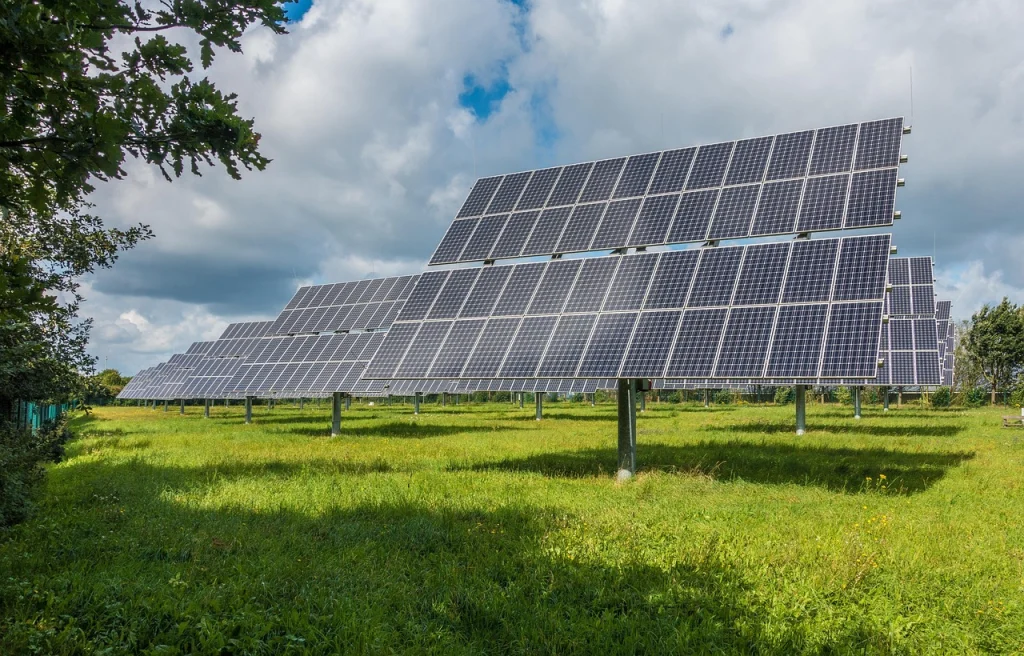
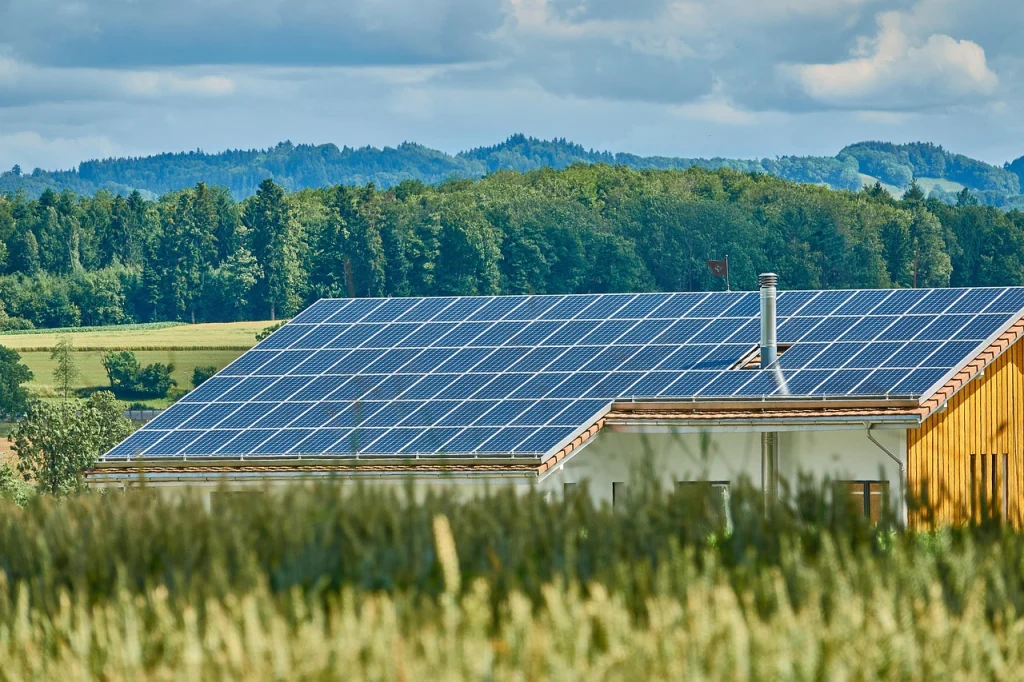
Dust accumulation, bird droppings, leaves, shading, damaged modules, and loose electrical connections can reduce available solar power.

A solar system maintenance routine should include checking:

  • Panel cleanliness
  • Physical damage
  • Mounting structure
  • Wiring
  • Connectors
  • Junction boxes
  • Shading
  • Controller readings
  • System output

In Egypt, dust accumulation deserves particular attention because it can gradually reduce photovoltaic performance.

Cleaning should be performed using methods appropriate for the panel manufacturer and site conditions. Harsh chemicals or abrasive tools should be avoided.

Inspect the Solar Pump Controller

The controller is the communication point between the solar array and the pump in many solar pumping systems.

It manages electrical input and pump operation according to the system design.

During Submersible Pump Maintenance, technicians should review the controller for:

  • Error codes
  • Overcurrent protection
  • Overvoltage protection
  • Undervoltage events
  • Overheating
  • Loose connections
  • Incorrect configuration
  • Abnormal operating history

A controller showing repeated faults should not simply be reset without investigating the cause.

For example, repeated overcurrent may indicate a mechanical problem with the pump rather than a controller problem.

Full details about  Best Ways to Save Money on Electricity Without Sacrificing Comfort 2026 

Check Pipes, Valves, and Fittings

Even when the pump itself is functioning properly, damaged hydraulic components can reduce the efficiency of the complete system.

Inspect the discharge line for:

  • Leaks
  • Cracks
  • Loose fittings
  • Blockages
  • Damaged valves
  • Excessive pressure
  • Unusual vibration

A small leak may appear insignificant, but over time it can reduce useful water delivery and increase system losses.

For agricultural systems, technicians should also check whether irrigation requirements have changed. A pump that was correctly sized for one irrigation configuration may perform differently after modifications to pipes, sprinklers, tanks, or irrigation zones.

Discover more about Heating a Swimming Pool with Solar and Heat Pump Options in Egypt

A Practical Submersible Pump Maintenance Schedule

A structured schedule makes maintenance easier and prevents important checks from being forgotten.

Daily or Operational Checks

The operator can perform basic visual and operational checks:

  • Confirm water is being delivered
  • Observe unusual sounds
  • Look for abnormal vibration
  • Check the controller display
  • Check for error messages
  • Observe changes in water flow
  • Confirm that the pump stops correctly when required

Daily monitoring does not replace professional servicing, but it helps identify problems early.

Weekly Checks

Depending on the installation, weekly checks can include:

  • Inspecting the solar array visually
  • Checking for shading or debris
  • Inspecting exposed cables
  • Checking pipe connections
  • Reviewing controller readings
  • Checking water-level conditions
  • Looking for leaks

Solar pump maintenance guides similarly recommend routine monitoring of panels, wiring, water conditions, controller data, and flow performance.

Monthly Checks

Monthly Submersible Pump Maintenance should be more detailed.

Technicians or trained operators can review:

  • Flow rate
  • Operating voltage
  • Motor current
  • Controller performance
  • Pipe pressure
  • Valve operation
  • Solar panel condition
  • Electrical connections
  • Filters and strainers where applicable

Comparing current measurements with historical readings is particularly useful.

A gradual decline is often more informative than a single measurement.

Annual Professional Inspection

A professional annual inspection can provide a deeper evaluation of the complete system.

Depending on the pump design and operating environment, the inspection may include:

  • Motor electrical testing
  • Insulation testing
  • Mechanical inspection
  • Seal inspection
  • Impeller inspection
  • Cable testing
  • Controller assessment
  • Pump performance testing
  • Hydraulic inspection
  • Protection-system testing

Not every pump needs to be removed from the well every year. The appropriate inspection interval depends on manufacturer recommendations, operating hours, water quality, installation conditions, and observed performance.

Find out more about Why a Swimming Pool Heat Pump Is the Best Option for Eco-Friendly Pool Heating

Common Signs Your Solar Submersible Pump Needs Maintenance

Knowing the warning signs can prevent a minor problem from becoming a major repair.

Reduced Water Flow

If the pump delivers less water than normal, investigate immediately.

Possible causes include pump wear, blockage, falling water level, pipe problems, or reduced electrical input.

Unusual Noise

Grinding, rattling, humming, or other changes in sound can indicate mechanical or electrical problems.

Increased Vibration

Excessive vibration may indicate an impeller problem, mechanical wear, installation issues, or another abnormal operating condition.

Frequent Controller Errors

Repeated controller shutdowns should never be ignored.

The controller may be protecting the pump from an underlying electrical or mechanical fault.

Intermittent Operation

A pump that starts and stops unexpectedly may have issues involving water-level controls, electrical supply, controller settings, or the motor.

Gradual Performance Decline

This is one of the most important warning signs because it can be easy to overlook.

A pump that delivers slightly less water every month may still appear operational, but the economic performance of the entire solar pumping system is deteriorating.

Mistakes That Increase Pump Maintenance Costs

Waiting Until the Pump Fails

Emergency repair is usually more expensive than preventive maintenance.

Once a pump stops completely, the problem may involve several damaged components rather than one replaceable part.

Ignoring Water Quality

Sand and sediment can accelerate wear in pumping equipment.

Water quality should therefore be considered when selecting the pump and establishing a maintenance schedule.

Using Incorrect Electrical Components

The pump, controller, cables, protection devices, and solar array must be compatible.

Improper sizing can cause inefficient operation and premature component failure.

Ignoring Manufacturer Specifications

Every pump has operating limits.

Technicians should use the manufacturer’s technical documentation when checking voltage, current, flow, head, temperature, installation depth, and maintenance requirements.

Choosing Maintenance Based Only on Price

The cheapest service is not necessarily the lowest-cost solution.

Poor diagnosis, low-quality replacement parts, or improper installation can result in repeated failures.

The better approach is to evaluate total ownership cost: installation quality, efficiency, maintenance, reliability, spare parts, warranty support, and expected service life.

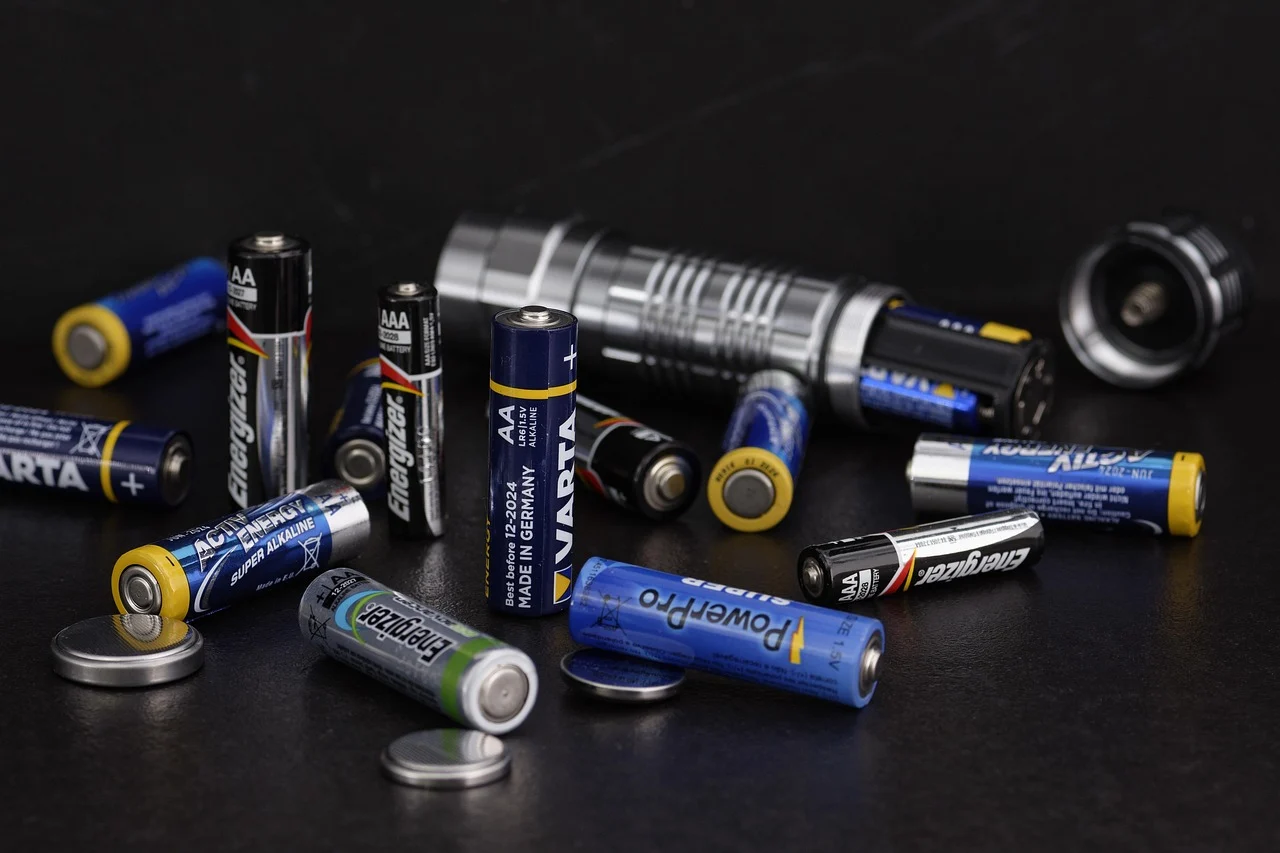
Full details about Best Batteries for Home Solar System: Stop Wasting Money

How Professional Maintenance Saves Money

Preventive Submersible Pump Maintenance is an investment in operating reliability.

Consider a farm that depends on a solar pump for irrigation. A sudden pump failure during a critical irrigation period can create costs beyond the repair itself.

Possible consequences include:

  • Lost irrigation time
  • Crop stress
  • Emergency technician fees
  • Replacement components
  • Transportation costs
  • Labor costs
  • Reduced productivity

Routine maintenance helps detect problems before they become emergencies.

It can also improve energy efficiency because a properly operating pump does not have to compensate for unnecessary hydraulic or mechanical losses.

Why Acropol Is a Trusted Choice for Solar Pump Systems in Egypt

Choosing the right company is just as important as choosing the right pump.

specializes in integrated renewable-energy solutions in Egypt, including solar-powered water pumps, solar systems, installation, maintenance, and after-sales support. Its solar pump services cover both submersible and surface pumping applications.

Acropol’s advantage is that customers can work with one engineering-focused provider for multiple renewable-energy and energy-efficiency requirements rather than treating every component as a separate project.

The company’s services include solar water pumps, solar photovoltaic systems, solar water heaters, and central heating solutions, with installation and maintenance services available.

For customers looking at a broader energy investment, Acropol also provides JA Solar and Jinko Solar panels, Dimas solar water heaters, Ariston gas water heaters, boilers, underfloor heating, wall heating, and swimming-pool heating solutions.

This integrated approach can make a significant difference when designing a system around actual consumption, water requirements, available space, and long-term investment objectives.

Why Choose Acropol for Submersible Pump Maintenance?

A reliable maintenance strategy should go beyond replacing failed parts.

Acropol focuses on installation, technical support, preventive maintenance, and after-sales service for solar energy systems and solar water pumps.

The company also offers installment options for solar water pump systems, which can make the initial investment easier to manage while allowing customers to move toward lower-cost solar-powered water pumping.

For an investor, the important question is not simply:

“How much does the pump cost?”

The better question is:

“What will this system cost me over its entire operating life?”

A professionally designed system with appropriate pump sizing, quality components, proper installation, preventive maintenance, and reliable after-sales support can offer stronger long-term value than a low-cost system that requires frequent repairs.

Submersible Pump Maintenance Checklist

Before considering a solar pumping system fully operational, review this checklist:

Pump

  • Is the water flow normal?
  • Is the pump free from unusual vibration?
  • Is operating noise normal?
  • Is the impeller functioning correctly?
  • Are seals in good condition?

Motor and Electrical System

  • Is voltage within specification?
  • Is current within the expected range?
  • Are cables intact?
  • Are connections secure?
  • Is grounding properly maintained?
  • Are protection devices working?

Solar System

  • Are the panels clean?
  • Is there any shading?
  • Are modules damaged?
  • Are connectors secure?
  • Is the mounting structure stable?

Controller

  • Are there error codes?
  • Are settings correct?
  • Is the controller overheating?
  • Are protection functions operating correctly?

Hydraulic System

  • Is the discharge pipe intact?
  • Are valves operating correctly?
  • Are there leaks?
  • Is pressure within the expected range?
  • Has the water source level changed?

Keeping a written maintenance record makes these checks more useful because technicians can compare current performance with previous measurements.

Final Thoughts: Protect Your Solar Pump Investment

A solar-powered submersible pump can provide reliable water delivery for years when it is properly selected, installed, operated, and maintained.

The most important lesson from professional Submersible Pump Maintenance practices is simple: do not wait for failure.

Monitor water flow. Check electrical performance. Inspect cables and connections. Protect the pump against dry running. Keep the solar array clean. Monitor the controller. Inspect the hydraulic network. Record performance changes and schedule professional inspections.

For customers in Egypt, working with an experienced renewable-energy company can make the difference between simply owning a solar pump and achieving a reliable long-term pumping solution.

Acropol provides integrated solar pumping solutions, installation, maintenance, and after-sales support, alongside JA Solar and Jinko Solar photovoltaic systems and other energy and heating solutions.

If your objective is maximum reliability, lower operating costs, and a strong long-term investment, professional Submersible Pump Maintenance should be part of the system from day one—not something considered only after a breakdown.

Frequently Asked Questions

How often should a submersible solar pump be maintained?

Basic operational checks should be performed regularly, while detailed inspections should follow the manufacturer’s recommendations and the site’s operating conditions. Systems exposed to heavy sediment, long operating hours, or demanding agricultural conditions may require more frequent attention.

What is the most common submersible pump problem?

Common problems include reduced flow, impeller wear, seal failure, cable damage, overheating, blockage, water-level problems, and electrical faults. Preventive inspection can identify many of these conditions before complete failure.

Can solar panels affect pump performance?

Yes. Dirt, shading, damaged modules, poor connections, or insufficient PV capacity can reduce the electrical power available to the pump system.

Does a submersible pump need to be removed for every maintenance visit?

No. Many maintenance checks can be performed without removing the pump. Removal may become necessary when deeper mechanical or electrical inspection is required, depending on the pump design, operating history, and manufacturer recommendations.

Is professional Submersible Pump Maintenance worth the cost?

Yes, particularly for agricultural and commercial systems where pump downtime can affect productivity. Preventive maintenance can help identify developing faults, reduce emergency repair costs, and protect the long-term performance of the investment.

Why choose Acropol for solar pumping systems in Egypt?

Acropol provides solar water pumping solutions together with installation, maintenance, and technical support. The company also offers integrated solar and energy-efficiency solutions, including JA Solar and Jinko Solar panels, Dimas solar water heaters, Ariston gas water heaters, boilers, and heating systems.

Get Reliable Solar Pumping Solutions with Acropol

Don’t wait for a costly pump failure to disrupt your irrigation or water supply. Choose professional Submersible Pump Maintenance and protect your solar pumping investment from unnecessary downtime and repair costs.

With Acropol, you can get professionally designed and maintained solar water pumping systems in Egypt, supported by reliable installation, technical expertise, and after-sales service. From solar submersible pumps and solar panels to JA Solar and Jinko Solar solutions, Acropol provides integrated systems designed around your actual water and energy requirements.

Whether you are installing a new solar pump or need maintenance for an existing system, Acropol can help you improve reliability, reduce operating expenses, and get greater long-term value from your investment.

Contact Acropol today and discover a smarter, more reliable, and more cost-effective way to power your water pumping system with solar energy.

📞 Contact Us | ✉️ Send Your Inquiry | 🌐 Visit Our Website