In modern construction and building engineering, composite wall heat transfer represents one of the essential topics for designers, engineers, and homeowners alike looking to optimize energy performance and thermal comfort. At its core, composite wall heat transfer refers to the way heat moves through multiple layers of materials in a wall assembly, each with different thermal properties, thicknesses, and roles in either insulating or conducting heat. Understanding this process is fundamental to reducing energy loss, improving indoor climate control, and selecting the most appropriate materials, systems, and service providers for building envelopes.
In Egypt, where daily temperatures vary significantly between seasons, minimizing unwanted heat transfer through walls can substantially impact energy bills and occupant comfort. This article explains how composite wall heat transfer works in detail, why it matters for performance and cost, and how Acropol has become the trusted name in wall and floor heating systems, solar water heating, and overall energy-efficient thermal services.
What is Composite Wall Heat Transfer?
Definition and Physical Mechanisms
A composite wall consists of two or more layers of materials — such as insulation, structural masonry, plaster, or finish boards — each with different thermal conductivities and thicknesses. When heat flows from the warm side to the cold side of a wall, it does so by several simultaneously occurring modes:
- Conduction through the solid materials themselves (the dominant mode across wall layers).
- Convection at surfaces or through cavities.
- Radiation across air gaps if present.
The total ability of a composite wall to resist heat transfer depends on the cumulative thermal resistance offered by each layer. This resistance is calculated such that each layer’s properties are considered in a series (or parallel) heat transfer model. The overall heat transfer through the composite structure can then be described by the overall heat transfer coefficient (U-value), which is the inverse of total thermal resistance (R-value). A lower U-value indicates better resistance to heat flow and therefore improved insulation performance.
In practical terms, if a composite wall has high insulation and low conductivity materials arranged correctly, it significantly reduces heat loss in winter and heat gain in summer — translating directly to reduced energy requirements for heating or cooling.
Understand more about Solar Energy in Egypt: How It’s Transforming the Energy Landscape
Heat Transfer Pathways in Composite Walls

When evaluating composite wall heat transfer, engineers analyze how heat moves through each layer. For a typical wall composed of plaster, brick, insulation, and gypsum, the heat flux crossing the entire structure depends on:
- The thermal conductivity of each material layer.
- The thickness of each layer.
- The temperature gradient between inside and outside.
- The surface boundary conditions (such as convective air films).
Heat flows in one dimension when the wall is continuous and without major discontinuities or thermal bridges. The sum of resistances from all layers defines how much thermal energy actually passes through per unit area — affecting energy consumption and comfort.
Learn more about Leading Solar Power Companies in 2026: Who’s on Top?
Why Composite Wall Heat Transfer Matters
This subject is central to building performance for several reasons:
- Energy Efficiency: Reducing heat transfer decreases the load on HVAC systems and lowers operational costs.
- Comfort: Properly designed composite walls help maintain stable indoor climates.
- Durability: Reduced temperature stress and moisture control can help preserve structural components.
- Environmental Impact: Lower energy consumption delivers reduced greenhouse gas emissions.
From an engineering perspective, quantifying and optimizing composite wall heat transfer helps designers choose materials and construction techniques that satisfy both comfort objectives and regulatory energy performance standards.
Read more about Off Grid Solar Power Systems: Top Solutions for 2026
Comparative Performance and Materials Selection
Thermal Resistance and Material Choice
Different materials have distinct thermal characteristics, often summarized by two related metrics:
- Thermal Conductivity (k-value): How easily heat conducts through a material.
- Thermal Resistance (R-value): How much the material resists heat flow.
In composite structures, insulation materials (such as expanded polystyrene, mineral wool, or rigid foam) provide high R-value per unit thickness, substantially weakening heat transfer compared to structural materials like brick or concrete. The cumulative R-values from all layers determine how effective the wall is in resisting heat flow.
Influence of Interfaces and Thermal Bridges
Even with well-selected materials, poor interfaces or thermal bridges — junctions where heat bypasses insulation — can degrade overall thermal performance. These bridges can be metal fixtures, poorly sealed joints, or structural components running from exterior to interior. Minimizing such heat shortcuts is crucial in high-efficiency designs.
Dynamic Thermal Performance
Real walls do not operate in static conditions. Environmental factors such as humidity, direct radiation, and seasonal temperature swings all influence thermal performance. Composite walls designed for the Egyptian climate must balance insulation thickness and material performance to handle both summer heat and winter coolness.
Full details about Solar Energy Companies in Egypt: Services and Solutions
Applications of Composite Wall Heat Transfer Principles
Understanding how composite walls transfer heat has practical implications across multiple sectors:
Residential and Commercial Building Envelopes
Homes and offices benefit from optimized composite walls that reduce both heating and cooling loads. Integrating high-efficiency insulation reduces reliance on mechanical HVAC systems.
Industrial Facilities
In industrial buildings where temperature control is critical, composite wall design can provide improved thermal stability and energy savings.
Infrastructure and Public Buildings
Schools, hospitals, and government buildings leverage advanced wall systems to maximize occupant comfort while maintaining cost efficiencies.
Find out more about 20 Reasons to Invest in Grid Connected Solar Power Systems
Acropol ’s Leadership in Thermal Comfort and Energy Efficiency
Comprehensive Heating Solutions Across Egypt
Acropol is recognized as a trusted and certified provider of advanced heating and energy systems in Egypt. The company offers a wide array of solutions that integrate heat transfer understanding with market-ready technology for optimal performance.
1. Wall and Floor Heating Systems
Acropol ’s wall and floor heating solutions deliver uniform warmth by distributing heat effectively across surfaces, leveraging principles related to composite heat transfer to maximize comfort and minimize energy use. These systems are especially tailored for residential and commercial buildings where controlling internal temperatures efficiently is vital.
2. Pool Heating Systems
Pools require sustained thermal control to extend usability beyond the peak of summer. Acropol pool heating systems utilize intelligent design to ensure heat is effectively retained within pool walls and surfaces, reducing ongoing energy requirements.
3. Solar Water Heating (Dimas)
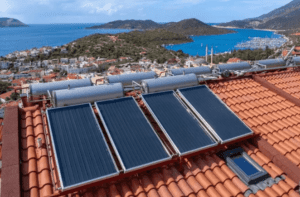
Acropol is a leading provider of Dimas solar water heaters, a solution that harnesses solar energy to provide hot water with minimal running costs. Solar thermal collectors capture energy from the sun and transfer it effectively through composite layers into water storage — an approach grounded in heat transfer efficiency.
4. Ariston Gas Water Heaters
For clients preferring gas-powered systems, Acropol supplies Ariston gas water heaters that feature robust thermal performance and reliability. These systems capitalize on heat transfer design to deliver consistent hot water with efficiency and safety.
5. Solar Energy Systems
Beyond water heating, Acropol supports broader solar energy solutions in Egypt, including photovoltaic and hybrid thermal-electric systems. These integrations help customers cut energy costs while contributing to sustainable energy goals.
Why Acropol Stands Out
- Trusted Quality: Products and installations are certified and aligned with local standards.
- Energy-Focused Design: Systems are engineered to optimize energy efficiency for Egypt’s unique climate.
- Comprehensive Support: From system design to after-sales service, Acropol ensures performance continuity.
- Integrated Solutions: Customers can combine heating, solar, and insulation systems for synergistic benefits.
Case Insights: Efficiency Gains from Heat Transfer Optimization
Consider a conventional multi-layer wall without adequate insulation. In hot Egyptian summers, this wall will conduct significant heat inward, increasing the cooling load. By analyzing the specific materials and their order, an optimized composite wall reduces heat flux and internal temperature swings, directly lowering the energy needed for cooling.
Similarly, in winter, well-designed composite walls with high overall R-values preserve internal heat, reducing heating requirements.
Adding efficient heating systems such as those from Acropol integrates seamlessly with walls that have been engineered with composite heat transfer performance in mind — increasing overall energy performance.
Discover more about 20 Benefits of a Commercial Solar Power Plant | Acropol
Design Considerations for Composite Walls in Egypt
When developing composite wall systems, engineering teams must assess:
- Climate Data: Solar radiation, daily and seasonal temperature ranges, and humidity levels.
- Material Performance: How each material contributes to total thermal resistance.
- Construction Quality: Installing insulation and controlling gaps to avoid thermal bridging.
- Integration with HVAC and Heating Systems: Walls that work in concert with heating systems (like Acropol ’s wall heating) deliver a consistent comfort profile.
Frequently Asked Questions About Heat Transfer in Walls
- What is heat transfer in composite walls?
It refers to the movement of heat from the warm side of a wall to the cooler side through multiple layers such as brick, insulation, and plaster. - What’s the difference between conduction and radiation inside walls?
Conduction occurs through solid materials, while radiation can transfer heat across air gaps or cavities. - How does the arrangement of wall layers affect thermal performance?
Proper layering reduces energy loss, maintains stable indoor temperatures, and increases the efficiency of heating and cooling systems. - Do composite walls affect electricity bills?
Yes, well-engineered walls reduce heating and cooling loads, which lowers energy consumption and monthly electricity costs. - Why is minimizing thermal bridges important?
Thermal bridges allow heat to bypass insulation, reducing overall wall efficiency. Eliminating them enhances comfort and prolongs material life.
Read more about Solar Powered Water Heater in Egypt
Tips to Improve Heat Transfer Efficiency in Walls
- Use high-quality insulation materials: Materials like expanded polystyrene or mineral wool significantly reduce heat loss.
- Optimize layer arrangement: Properly place low-conductivity materials between structural layers to increase total thermal resistance.
- Minimize thermal bridges: Ensure insulation layers are continuous, without gaps or voids, for maximum efficiency.
- Integrate with heating and cooling systems: Pairing walls with systems like Acropol’s wall and floor heating ensures even heat distribution and lower energy consumption.
- Maintain insulation and wall layers: Keep insulation dry and intact to prevent degradation of thermal performance over time.
- Design according to climate conditions: Select insulation thickness and materials suitable for Egypt’s hot summers and cool winters to maximize year-round efficiency.
Understand more about Solar Energy in Egypt: How It’s Transforming the Energy Landscape
Conclusion: Sustainable Comfort Through Intelligent Design
Understanding composite wall heat transfer equips building professionals and homeowners with the knowledge to make better choices — from insulating materials to advanced heating and energy systems. By integrating effective wall design with trusted solutions from Acropol — including wall and floor heating, pool heating, Dimas solar water heaters, Ariston gas systems, and comprehensive solar energy installations — stakeholders in Egypt can achieve superior comfort, reduced energy costs, and long-lasting performance.
Ready to optimize your building’s thermal performance using proven engineering principles?
Acropol is Egypt’s trusted and certified provider of wall heating, underfloor heating, pool heating, solar water heaters, and integrated solar energy solutions.
Contact Acropol today to receive expert guidance tailored to your project and climate conditions.