What Is the Best Application of Submersible Pump in Solar Supply?

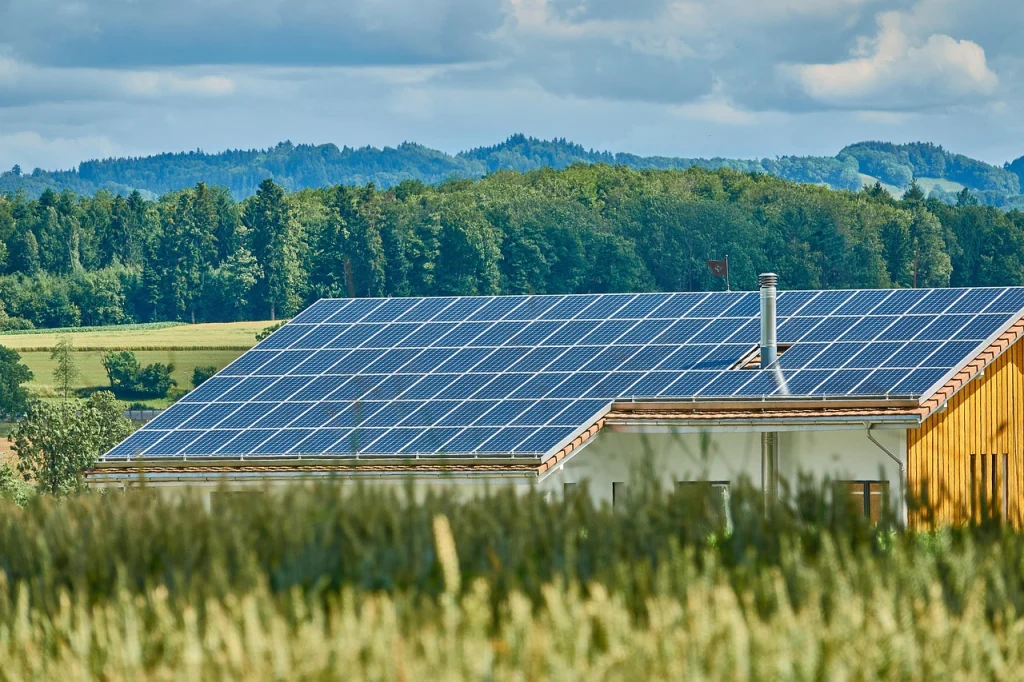
Solar energy has become one of the most practical alternatives for powering water pumping systems, particularly in agriculture, irrigation, remote locations, residential projects, and commercial facilities. Among the different pumping technologies available today, the Application of Submersible Pump with solar power stands out as an efficient solution when water must be lifted from wells, boreholes, tanks, or underground sources.

But choosing a submersible pump for a solar-powered system is not simply a matter of selecting the highest horsepower available. The pump must match the water source, required flow rate, total dynamic head, solar array, controller, operating conditions, and expected daily water demand.

A properly designed system can reduce dependence on conventional electricity or fuel-powered generators while providing reliable water pumping during periods of strong solar radiation. However, an incorrectly sized system may result in poor water flow, excessive equipment costs, or unstable operation.

This guide explains the most important Application of Submersible Pump scenarios in solar supply, how these systems work, what factors affect their performance, common installation mistakes, and how to select a cost-effective solution for your project in Egypt.

What Is a Submersible Pump?

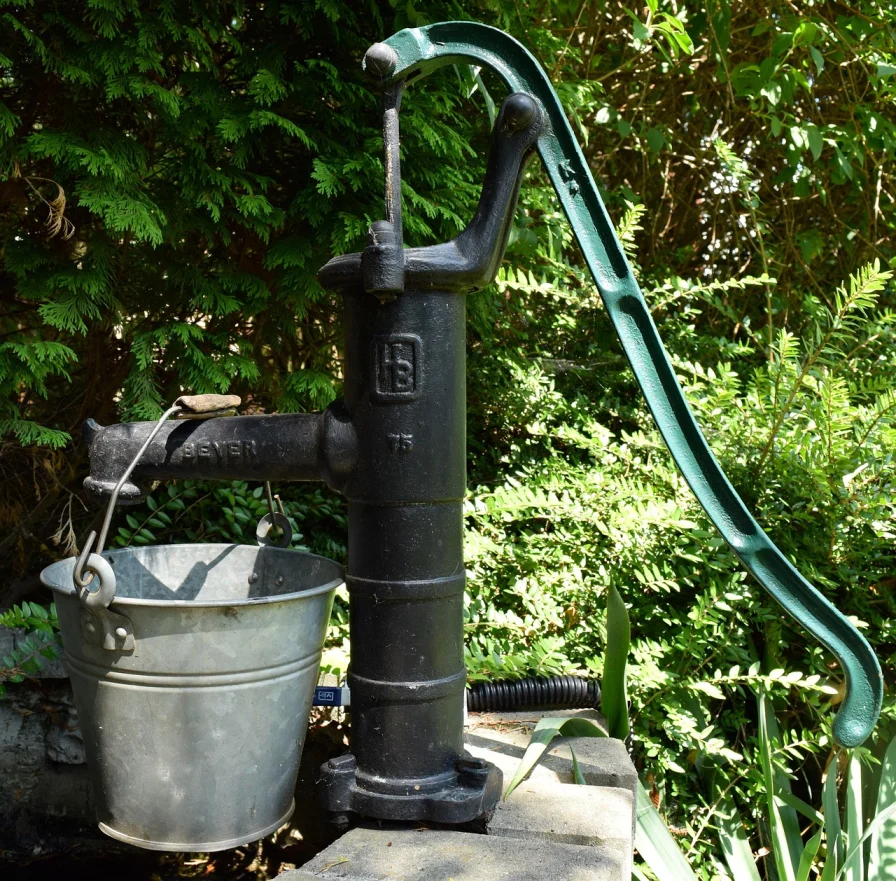
A submersible pump is a pump designed to operate while completely or partially submerged in water. Unlike surface pumps, which are installed above the water source and draw water through suction pipes, a submersible pump is positioned inside the well, borehole, tank, or other water source.

The motor and pumping components are designed to work underwater, while the pump pushes water upward through a delivery pipe.

This operating principle makes submersible pumps particularly suitable for deep-water applications where conventional surface pumps may struggle with suction limitations.

When powered by solar energy, the system can operate without relying directly on grid electricity, making the technology particularly attractive for remote agricultural and rural locations.

What Is the Application of Submersible Pump in Solar Supply?

The most important Application of Submersible Pump in a solar-powered system is water extraction and distribution where the water source is located below ground level.

Typical applications include:

  • Agricultural irrigation
  • Deep wells and boreholes
  • Livestock water supply
  • Residential water supply
  • Remote communities
  • Water storage tanks
  • Greenhouses
  • Landscape irrigation
  • Small commercial facilities
  • Rural development projects

The best application depends on the required flow rate and pumping head.

For example, a farm with a deep groundwater well may require a high-head submersible pump, while a shallow water source supplying a storage tank may require a smaller system.

Discover more abou Submersible Pump Maintenance Secrets for Reliable Solar Pumps

Why Use a Submersible Pump With Solar Energy?

Combining solar power with a submersible pump can provide several important advantages.

1. Reduced Dependence on Grid Electricity

Agricultural and rural properties are not always located close to reliable electrical infrastructure.

A solar-powered pumping system can operate using electricity generated from photovoltaic panels, reducing dependence on the electrical grid.

2. Lower Operating Costs

Once the solar system has been installed, sunlight becomes the primary energy source.

Unlike diesel generators, solar panels do not require fuel to generate electricity. This can significantly reduce recurring operating expenses, particularly for projects that require frequent pumping.

3. Suitable for Remote Locations

One of the strongest advantages of solar pumping is its suitability for locations where grid electricity is unavailable or expensive to extend.

A correctly designed system can provide water pumping in farms, desert areas, agricultural lands, and remote facilities.

4. Low Maintenance Requirements

Solar panels generally require relatively limited maintenance, while a properly selected submersible pump can operate for long periods with appropriate installation and periodic inspection.

Discover more about       How Solar Energy and Future Are Transforming Homes, Businesses, and Cities

How Does a Solar Submersible Pump System Work?

A solar pumping system consists of several interconnected components.

The basic process is:

Sunlight → Solar Panels → Solar Pump Controller → Submersible Pump → Water Storage or Irrigation Network

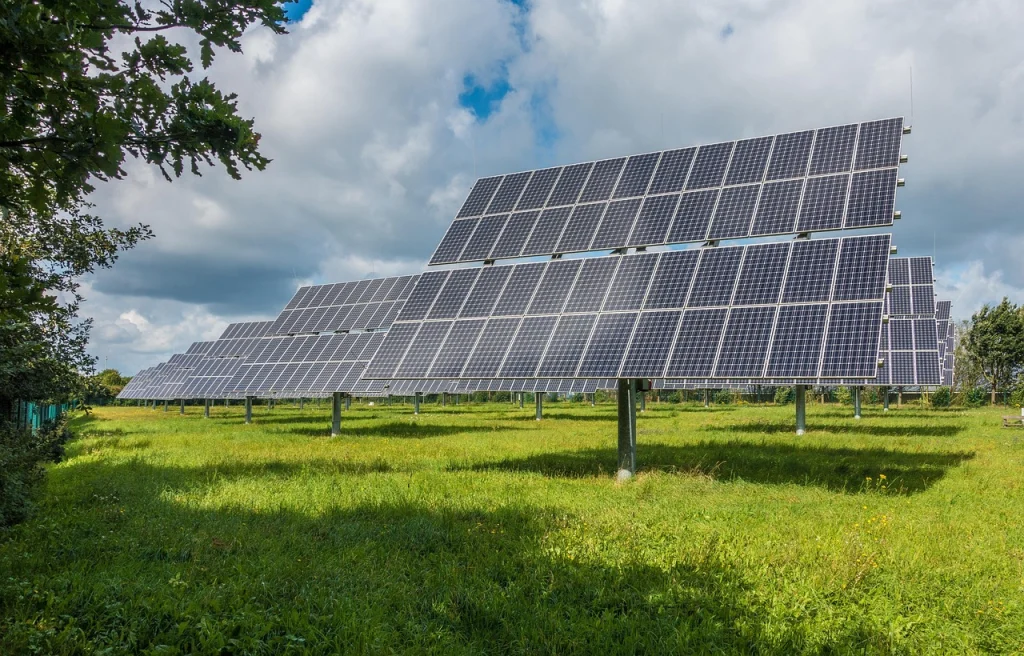
Solar panels convert sunlight into electrical energy.

The electricity is then managed by a suitable controller or inverter, depending on the pump technology.

The controller supplies the appropriate electrical power to the submersible pump.

The pump moves water from the underground source to the required destination.

The destination may be:

  • A storage tank
  • Irrigation pipes
  • Drip irrigation
  • Sprinklers
  • A livestock watering system
  • A residential water network

The system can also incorporate sensors and automatic controls to protect the pump and regulate operation.

Understand more about  Desalination by Solar Energy: How It Can Transform Water Supply in Egypt

The Best Application of Submersible Pump for Agricultural Irrigation

Agricultural irrigation is one of the most important applications for solar-powered submersible pumps.

Farmers need a reliable source of water, but conventional pumping systems can create significant operating expenses because of electricity or fuel consumption.

A solar pumping system can be particularly attractive when irrigation is required during daylight hours, because solar generation naturally coincides with many irrigation schedules.

Solar Pumping for Drip Irrigation

Drip irrigation requires controlled water delivery rather than simply moving the largest possible volume of water.

A correctly designed submersible pump can supply water to a storage tank or directly to an irrigation network, depending on the project.

The pump must be selected according to the required:

  • Flow rate
  • Pressure
  • Total head
  • Daily water volume
  • Irrigation schedule

Choosing a pump based only on horsepower can result in an inefficient system.

Understand more about Duplex Submersible Pump Specifications for Solar: Efficient or Overrated?

Submersible Pumps for Deep Wells

Deep wells are another major Application of Submersible Pump technology.

When groundwater is located many meters below the surface, a surface pump may not be the most appropriate solution.

A submersible pump can be installed inside the borehole and push water upward.

Why is this important?

The deeper the water source, the greater the lifting requirement.

The system designer must therefore calculate the total dynamic head, which includes more than simply the depth of the well.

It may include:

  • Static water level
  • Drawdown
  • Vertical lifting distance
  • Pipe friction
  • Fittings
  • Required outlet pressure
  • Elevation differences

This calculation is essential when selecting the correct pump.

Find out more about Egypt Electricity Industry Insights: Power Generation, Renewables, and Policy 2026 

How to Choose the Correct Solar Submersible Pump

The most important principle is simple:

Do not choose the pump before calculating the water requirement.

A professional design should begin with the application.

1. Determine the Required Flow Rate

Flow rate is usually expressed in liters per minute, liters per hour, or cubic meters per hour.

For irrigation projects, the required flow depends on:

  • Farm size
  • Crop type
  • Irrigation method
  • Irrigation schedule
  • Water requirement
  • Number of irrigation zones

For domestic projects, the calculation depends on household consumption and peak demand.

2. Calculate Total Dynamic Head

Total dynamic head is one of the most important technical parameters.

It represents the pressure the pump must overcome to deliver water to the desired destination.

A pump that provides sufficient flow at a low head may not provide the same flow at a high head.

This is why pump curves are more useful than comparing horsepower alone.

Explore more about Solar Cells in Egypt for Homes and Businesses: Costs and Key Advantages 

Pump Curve: The Specification You Should Never Ignore

A professional pump selection should consider the manufacturer’s pump curve.

The curve shows the relationship between:

  • Flow
  • Head
  • Pump efficiency
  • Power requirements

Suppose a pump is advertised as a high-capacity model.

That does not mean it will provide that capacity at your actual pumping depth.

The correct question is:

How much water can the pump deliver at the required head?

This is one of the most important considerations when evaluating the Application of Submersible Pump for solar water supply.

Solar Panels and Pump Compatibility

Selecting the pump is only half of the system.

The photovoltaic array must provide enough power under the expected operating conditions.

The solar system designer must consider:

  • Pump rated power
  • Operating voltage
  • Pump current
  • Solar panel voltage
  • Solar panel current
  • Solar irradiation
  • Temperature
  • Controller requirements
  • Expected daily solar hours

The panels should not simply be selected according to the pump’s nominal horsepower.

The complete electrical system must be compatible.

What Is the Role of the Solar Pump Controller?

The solar pump controller is a critical component in many solar pumping systems.

It manages the electrical energy supplied to the pump and can provide important functions such as:

  • Maximum Power Point Tracking
  • Pump protection
  • Dry-run protection
  • Overload protection
  • Voltage management
  • Automatic startup and shutdown

Modern solar pump controllers can help the system operate more effectively as solar radiation changes throughout the day.

Discover more about Best Solar Battery Storage 2026 — Warranty, Lifespan & Expert Recommendations 

Should You Use Batteries With a Solar Submersible Pump?

Not necessarily.

This depends on the project’s operating requirements.

If water is pumped primarily during daylight hours, the system can often operate directly from solar energy without using batteries.

Instead of storing electricity, the system can store water in a tank.

This approach can be particularly attractive for irrigation.

Why Store Water Instead of Electricity?

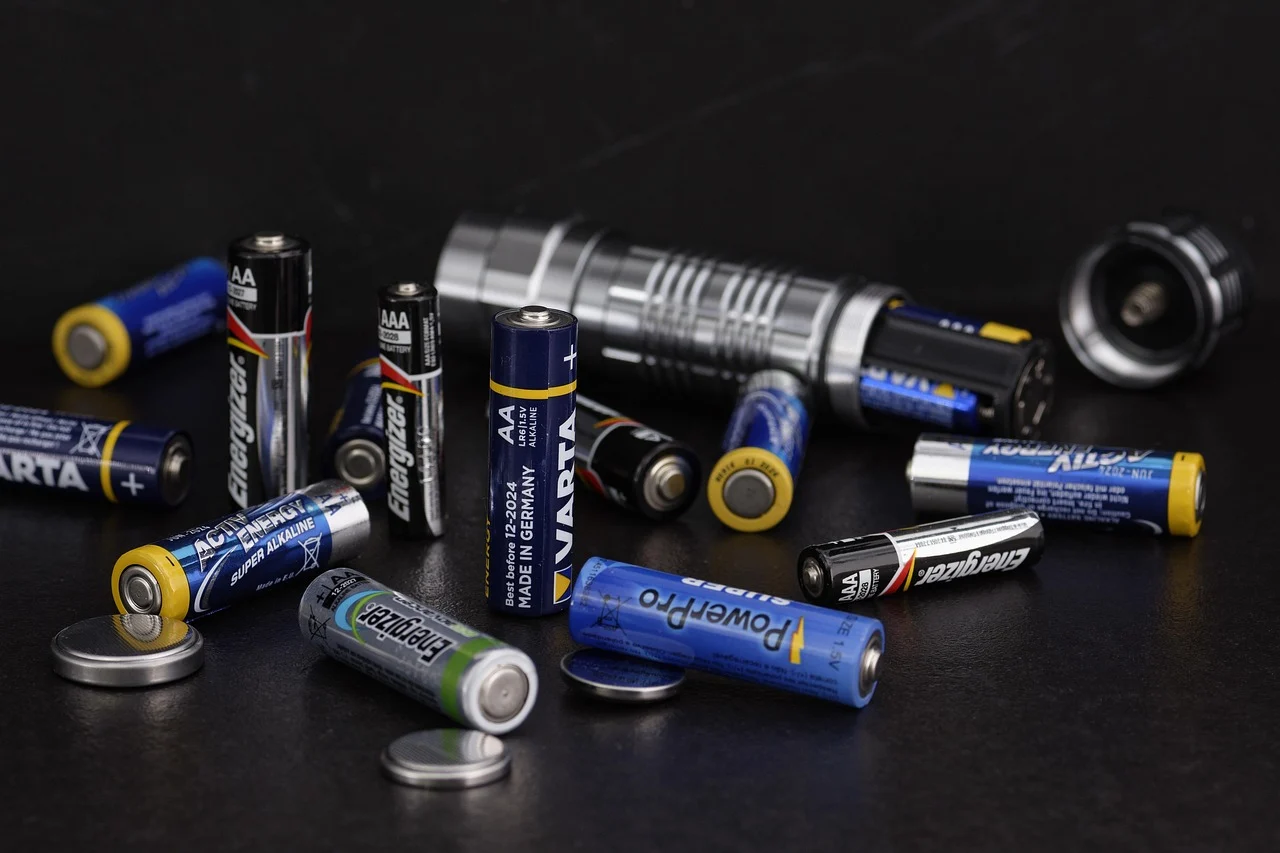
Batteries add:

  • Additional cost
  • Maintenance requirements
  • Replacement costs
  • Energy losses
  • Additional system complexity

A water storage tank can provide an alternative form of energy storage.

The solar pump fills the tank during sunny periods, and irrigation can then continue according to the project’s schedule.

For many agricultural applications, this can be more economical than installing a large battery bank.

Solar Submersible Pump vs Diesel Pump

Many farms have historically relied on diesel generators or diesel-powered pumps.

Solar pumping can provide a different economic model.

FactorSolar Submersible PumpDiesel Pump
Main energy sourceSunlightDiesel fuel
Fuel requirementNoneContinuous
Operating costGenerally lowFuel-dependent
NoiseLowHigh
EmissionsNo direct operational emissionsProduces emissions
Remote applicationsExcellentGood
Daylight dependencyYes, unless storage/backup is providedNo
MaintenanceGenerally limitedMore frequent

The best option depends on the project.

However, for locations with strong solar resources and regular daytime pumping requirements, solar can offer an attractive long-term investment.

Common Mistakes in the Application of Submersible Pump

Choosing the Pump by Horsepower Alone

This is one of the most common mistakes.

A 5 HP pump is not automatically better than a 3 HP pump.

The correct pump depends on the required operating point.

Ignoring Well Conditions

Water level can change.

If the water level falls significantly during pumping, the pump may need to operate against a higher head.

Undersizing the Solar Array

A pump may have the correct mechanical rating but fail to achieve the expected performance if the photovoltaic system cannot provide sufficient power.

Ignoring Pipe Friction

Long pipelines can create substantial pressure losses.

The pipe diameter and length must therefore be included in the hydraulic calculation.

Running the Pump Dry

Submersible pumps require appropriate water conditions.

Dry running can damage the pump and motor.

A water-level sensor or dry-run protection can help prevent this problem.

Best Application of Submersible Pump in Egypt

Egypt offers strong potential for solar water pumping, particularly in agricultural and remote areas.

Solar-powered submersible pumps can be considered for:

  • New agricultural developments
  • Desert farming
  • Remote wells
  • Greenhouses
  • Livestock farms
  • Residential compounds
  • Irrigation projects
  • Water transfer systems

However, Egypt’s climate also creates challenges.

Dust, high temperatures, variable water levels, and harsh installation environments must all be considered.

Therefore, equipment selection should focus on reliability and suitability for the actual site rather than simply selecting the lowest-priced equipment.

Why Professional Installation Matters

Even the best submersible pump can deliver poor results if the installation is incorrect.

Professional installation should verify:

Electrical Connections

All cables and connections must be appropriately rated for the system.

Pump Position

The pump should be installed at a suitable depth according to the well characteristics and manufacturer’s requirements.

Pipe Sizing

The delivery pipe must be appropriately sized to reduce unnecessary friction losses.

Protection

The system should incorporate appropriate electrical and operational protection.

Monitoring

The system should allow operators to identify abnormal operating conditions.

How Acropol Can Help With Solar Pumping Solutions

Choosing a reliable company is one of the most important decisions when investing in solar pumping.

Acropol provides integrated solar energy solutions in Egypt, including solar pumping systems designed according to project requirements.

The company works with recognized solar panel brands such as JA Solar and Jinko Solar, alongside solar pumping solutions.

Rather than treating the pump as an isolated piece of equipment, the project can be evaluated as a complete system involving:

  • Solar panels
  • Pump
  • Controller
  • Electrical protection
  • Pipes
  • Water storage
  • Irrigation requirements
  • Installation
  • System monitoring

Acropol also provides additional energy and heating solutions, including solar water heaters from Dimas, Ariston gas water heaters, boilers, underfloor heating, wall heating, and swimming pool heating systems.

This broader technical scope can be useful for residential, agricultural, commercial, and industrial projects that require more than one energy solution.

Why Acropol Is a Strong Choice for Solar Pumping

The value of a solar pumping company is not determined by equipment alone.

A professional provider should be able to understand the relationship between the water source, pump, solar array, controller, and final application.

Acropol focuses on integrated solutions designed around the customer’s requirements rather than simply selling individual components.

For buyers looking for a reliable and cost-conscious investment, this approach can help avoid common mistakes such as:

  • Oversizing the pump
  • Undersizing the solar panels
  • Selecting the wrong controller
  • Ignoring pipe losses
  • Failing to account for changing water levels
  • Installing equipment without proper protection

The objective is not simply to install a solar pump.

The objective is to build a system that delivers the required quantity of water with the lowest practical operating cost.

Is a Solar Submersible Pump a Good Investment?

For many applications, yes.

But the investment should be evaluated based on the complete project.

Important factors include:

  • Initial equipment cost
  • Installation cost
  • Pumping requirements
  • Electricity or fuel costs avoided
  • Solar resource
  • Maintenance
  • Expected system lifetime
  • Water demand
  • Replacement requirements

A system with a higher initial price may provide a better return if it is more efficient, properly sized, and capable of operating reliably for many years.

This is why professional system design is more valuable than simply comparing equipment prices.

Frequently Asked Questions

What is the best Application of Submersible Pump in solar energy?

The most common applications are deep-well water extraction, agricultural irrigation, livestock water supply, water storage, and remote water pumping where grid electricity is unavailable or expensive.

Can a submersible pump run directly from solar panels?

Yes, when the pump and solar array are designed for direct solar operation and connected through an appropriate controller or drive.

Do solar submersible pumps require batteries?

Not always. Many irrigation systems can pump water during daylight and store it in a water tank instead of storing electricity in batteries.

How many solar panels are required for a submersible pump?

There is no universal number. The required array depends on pump power, operating voltage, controller requirements, solar radiation, operating head, and daily water demand.

What is more important: pump horsepower or flow rate?

Neither should be considered independently. The correct pump must provide the required flow at the required total dynamic head while remaining compatible with the available electrical power.

Can solar submersible pumps be used for farms?

Yes. Agricultural irrigation is one of the strongest applications for solar pumping, particularly in areas with good solar radiation and limited access to grid electricity.

Are solar pumping systems expensive?

The initial investment can be higher than a basic conventional pump, but operating costs can be significantly lower because the system does not require diesel fuel and can reduce dependence on grid electricity.

Conclusion

The best Application of Submersible Pump in solar supply depends on the specific water and energy requirements of each project.

Deep wells, agricultural irrigation, livestock farms, remote water systems, greenhouses, and water storage projects can all benefit from properly designed solar submersible pumping systems.

However, the success of the investment depends on more than choosing a pump.

Flow rate, total dynamic head, solar panel capacity, controller compatibility, pipe sizing, water levels, protection systems, and installation quality must all work together.

For agricultural and remote applications, solar pumping can provide a practical way to reduce dependence on diesel fuel and conventional electricity while taking advantage of Egypt’s strong solar resource.

The smartest approach is therefore not to ask, “Which pump is the cheapest?”

Instead, ask:

Which pump and solar system can deliver the required water volume reliably, efficiently, and economically for my specific project?

That is where professional system design makes the difference—and where working with an experienced solar energy provider such as Acropol can turn a solar pumping project into a long-term investment rather than simply another equipment purchase.

 Get the Right Solar Pumping System With Acropol

Do not choose a submersible pump based only on horsepower or the lowest price.

The right solution starts with understanding your water source, required flow, pumping depth, irrigation requirements, solar resource, and daily operating schedule.

With Acropol, you can get a professionally designed solar pumping solution using quality solar components, including JA Solar and Jinko Solar panels, together with suitable solar pumping equipment.

Acropol also provides complete energy and heating solutions, including solar energy systems, Dimas solar water heaters, Ariston gas water heaters, boilers, underfloor heating, wall heating, and swimming pool heating.

Contact Acropol today to evaluate your project and receive a solution designed around your actual water and energy requirements.

📞 Contact Us | ✉️ Send Your Inquiry | 🌐 Visit Our Website