Introduction
Water scarcity is becoming one of the most important environmental and economic challenges facing Egypt. With growing demand from residential communities, agriculture, tourism, industry, and new urban developments, finding reliable and sustainable sources of freshwater has become increasingly important.
At the same time, Egypt has one of the most valuable natural resources for renewable energy: abundant solar radiation throughout much of the country.
This combination makes desalination by solar energy an increasingly attractive solution for producing freshwater from seawater and brackish groundwater while reducing dependence on conventional electricity and fossil fuels.
Desalination by solar energy combines solar photovoltaic systems or solar thermal technologies with desalination equipment to remove dissolved salts and other impurities from saline water. The result can be freshwater suitable for drinking, irrigation, industrial processes, or other applications, depending on the treatment system and applicable water-quality requirements.
Egypt is already moving toward larger-scale renewable-powered desalination. The government has announced studies for five water desalination plants using solar energy in Port Said, Alexandria, Matrouh, and the Red Sea governorates, while research and pilot projects have demonstrated the technical feasibility of solar-powered reverse osmosis in the country’s coastal and desert regions.
This guide explains how desalination by solar energy works, which technologies are available, why the concept is particularly relevant to Egypt, what affects project costs, and how solar energy companies such as Acropol can contribute to integrated renewable-energy projects.
What Is Desalination by Solar Energy?
Desalination by solar energy is the process of using energy generated from sunlight to power or directly drive a desalination system.
The source water can be:
- Seawater
- Brackish groundwater
- Saline wells
- Certain saline surface-water sources
The desalination process separates salts, minerals, and other unwanted substances from the feedwater.
There are two broad ways solar energy can be used.
Solar Photovoltaic Desalination
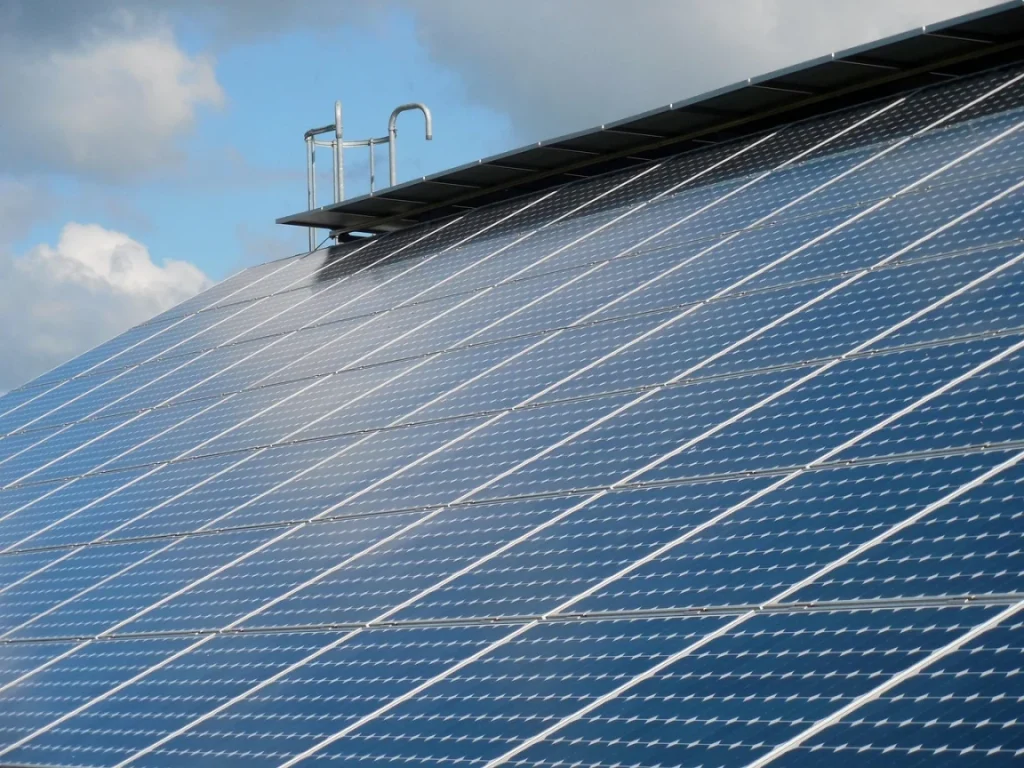
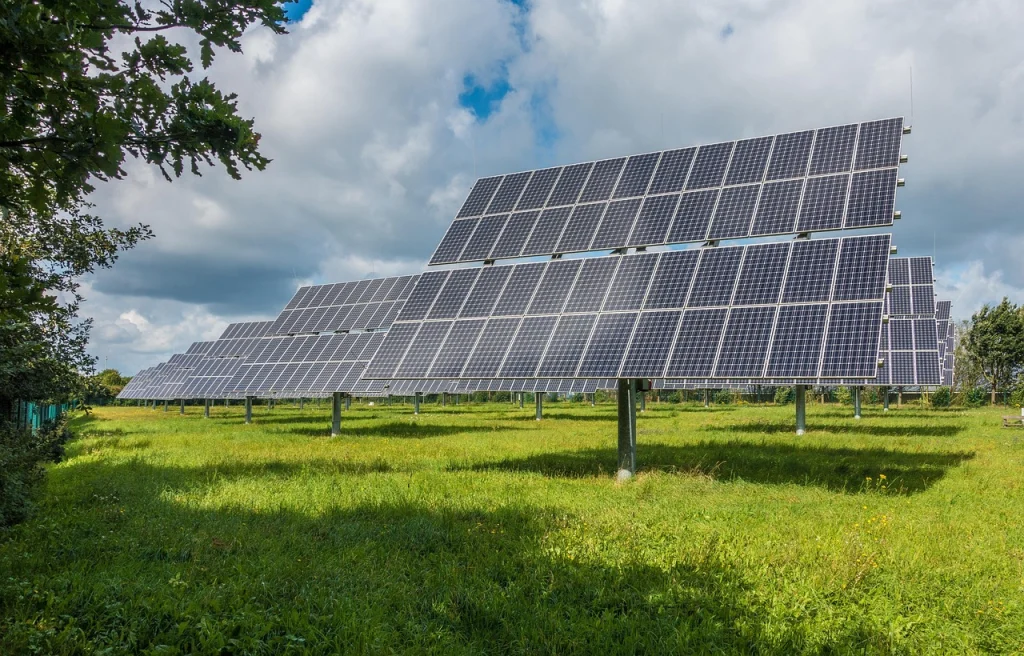
Solar photovoltaic panels convert sunlight into electricity. The electricity then powers equipment such as:
- High-pressure pumps
- Reverse-osmosis systems
- Pretreatment equipment
- Control systems
- Water-treatment pumps
This configuration is particularly suitable for modern reverse-osmosis plants.
Solar Thermal Desalination
Solar thermal collectors provide heat that can drive thermal desalination processes, including evaporation and condensation technologies.
Thermal approaches can be useful where heat is readily available or where specific water-quality and energy requirements make them appropriate.
Discover more about How Solar Energy and Future Are Transforming Homes, Businesses, and Cities
Why Desalination by Solar Energy Matters for Egypt
Egypt’s geography makes renewable-powered desalination particularly relevant.
Large parts of the country are arid, while important population centers and new developments are located along the Mediterranean and Red Sea coasts.
Solar energy can therefore provide the electricity required to operate desalination systems in locations where extending conventional electricity infrastructure may be expensive or impractical.
Research published in 2024 examined a 1,000 m³/day solar-powered reverse-osmosis plant in the El Alamein region using brackish groundwater with salinity around 21,150 mg/L. The study found that PV-RO technology can be technically viable for brackish groundwater applications in Egypt and highlighted the potential for solar-powered desalination in remote areas.
The Arab Water Council also documented a solar-powered desalination project on Egypt’s northern coast designed to desalinate approximately 1,000 m³/day of brackish groundwater for irrigation and domestic use. The reported system was designed to handle groundwater salinity of up to 25,000 ppm.
These examples demonstrate that desalination by solar energy can move beyond laboratory research into practical water-supply projects.
Full details about Why Solar Energy and Future Investments Are Growing Faster Than Ever
How Does Desalination by Solar Energy Work?
A solar desalination project normally consists of several interconnected stages.
1. Water Intake
The first stage collects seawater or brackish groundwater and transfers it to the treatment system.
The quality of the incoming water must be analyzed before the plant is designed.
Important parameters include:
- Total dissolved solids
- Turbidity
- pH
- Hardness
- Organic matter
- Microbiological contamination
- Iron and manganese
- Temperature
A professional water analysis is essential because desalination equipment must be selected according to the actual characteristics of the feedwater.
2. Pretreatment
Pretreatment protects the main desalination equipment.
Depending on water quality, the system may include:
- Sand filtration
- Cartridge filtration
- Multimedia filters
- Chemical dosing
- Antiscalant treatment
- Disinfection
Effective pretreatment reduces membrane fouling and scaling and can improve the operational life of the reverse-osmosis membranes.
3. Solar Energy Generation
Solar photovoltaic panels generate electricity during daylight hours.
The required PV capacity depends on:
- Plant production capacity
- Specific energy consumption
- Solar irradiation
- Pump efficiency
- Operating hours
- System losses
- Required water-storage capacity
This is one reason professional system sizing is critical.
4. Reverse Osmosis
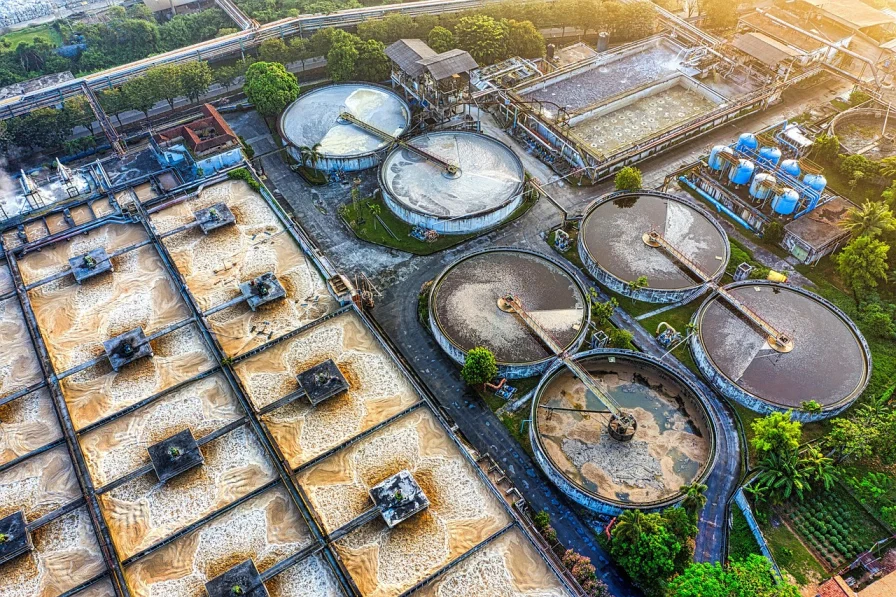
Reverse osmosis is currently one of the most important technologies for modern desalination.
In an RO system, high-pressure pumps force saline water through semipermeable membranes.
The membranes allow water molecules to pass while rejecting a large proportion of dissolved salts and contaminants.
The process produces two primary streams:
Permeate
The treated water that passes through the membrane.
Concentrate
The stream containing the rejected salts and other concentrated constituents.
The concentrate must be managed responsibly because inappropriate discharge can create environmental problems.
Full details about How Solar Energy and Wind Energy Are Transforming Renewable Power in Egypt
The Role of Solar Panels in PV-RO Desalination
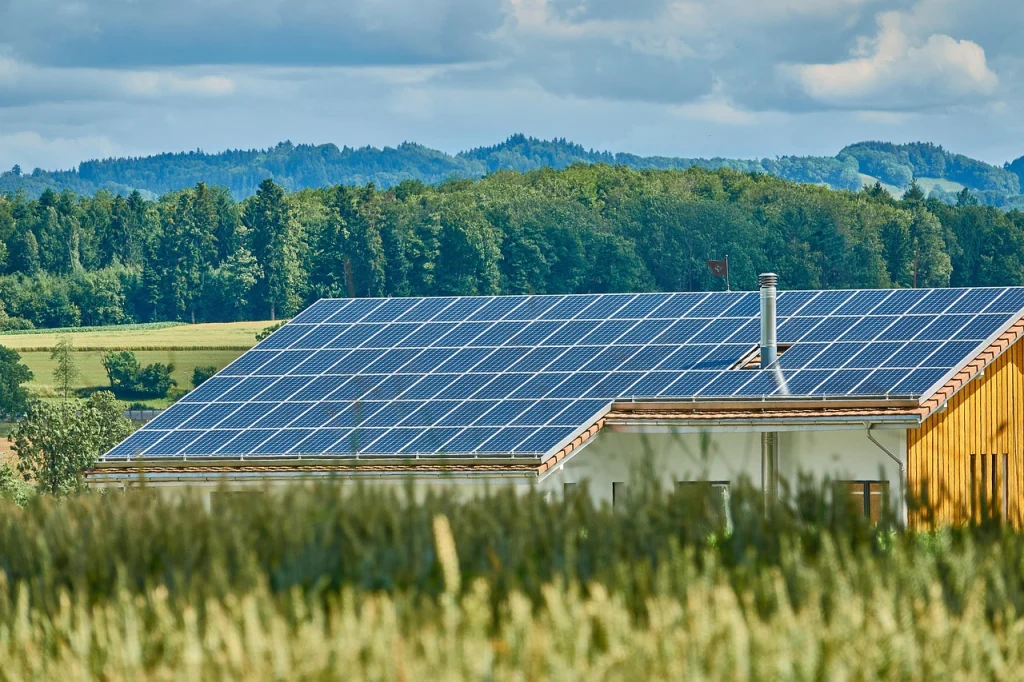
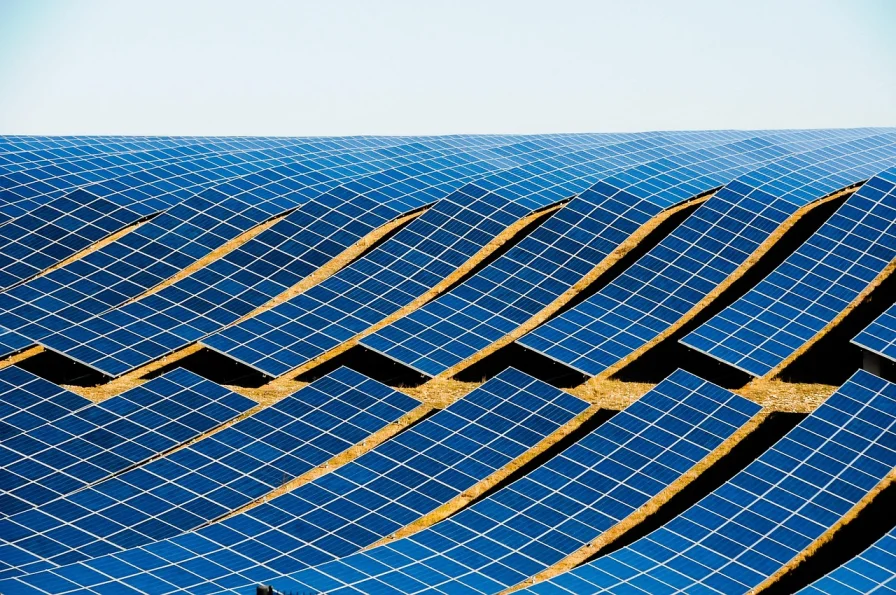
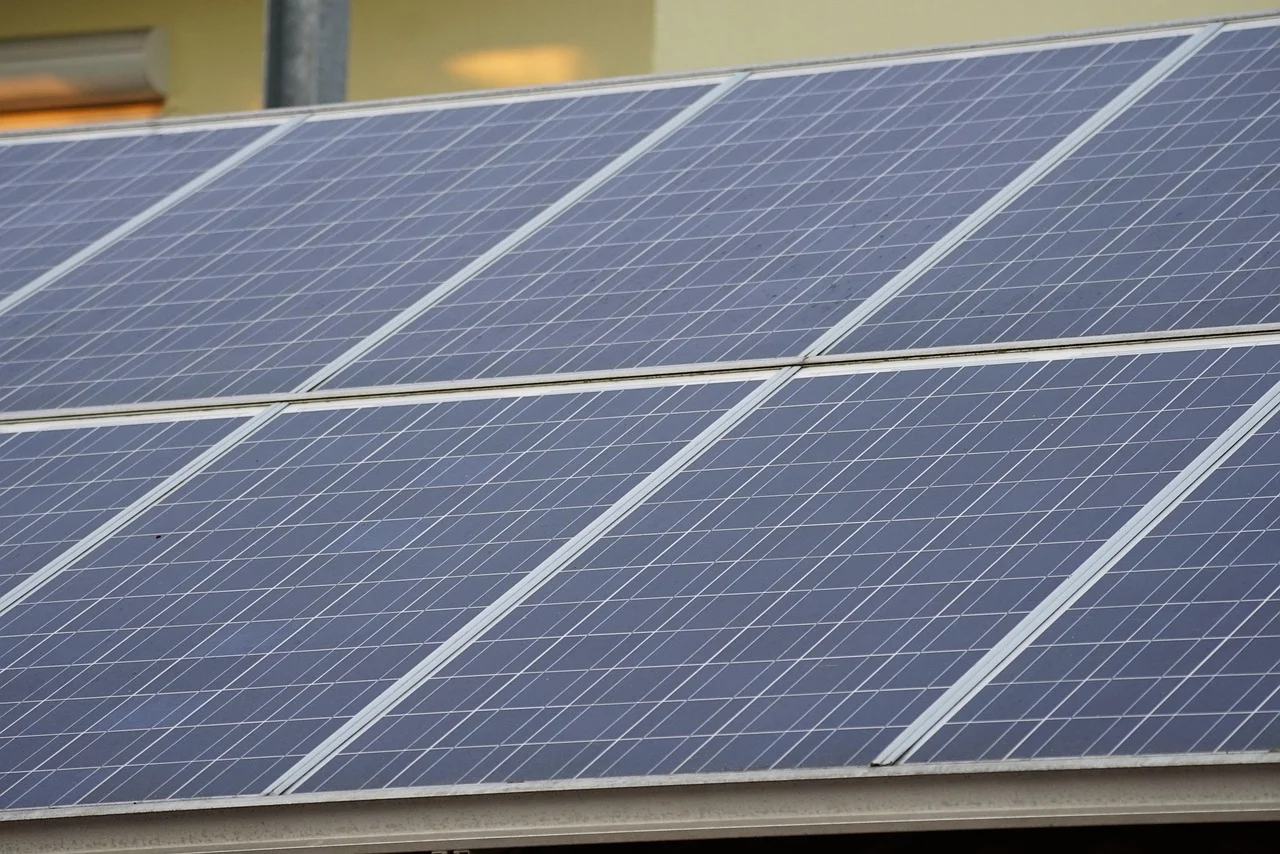
Solar panels are the energy-producing component of a photovoltaic desalination system.
For a commercial or industrial project, panel selection should consider more than the nominal wattage.
Important factors include:
- Module efficiency
- Temperature coefficient
- Mechanical durability
- Warranty
- Long-term degradation
- Local operating conditions
- Availability of technical support
Acropol provides photovoltaic solutions using JA Solar and Jinko Solar panels as part of its broader renewable-energy offering. The company’s solar portfolio also includes system design, installation, maintenance, solar water heating, solar pumps, and integrated heating solutions.
For a desalination project, however, the panel brand should always be selected as part of a complete engineering design rather than as an isolated purchasing decision.
Full details about Everything You Need to Know About Types of Solar Energy Systems Before Installing Solar
Main Types of Solar Desalination Systems
Solar PV Reverse Osmosis
PV-RO is one of the most practical approaches for many modern projects.
Its main advantages include:
- Mature technology
- High salt-rejection capability
- Modular design
- Compatibility with photovoltaic electricity
- Suitability for small, medium, and large projects
A study of solar-powered desalination in Egypt reported specific energy consumption of approximately 3.6–4.2 kWh/m³ for brackish groundwater with salinity below 23,000 ppm under the studied conditions. Actual consumption varies according to feedwater salinity, recovery, pressure, temperature, membrane configuration, and equipment efficiency.
Solar Thermal Desalination
Solar thermal systems use heat rather than electricity as the primary energy source.
Possible technologies include:
- Solar stills
- Membrane distillation
- Humidification-dehumidification
- Evaporation-condensation systems
These systems can be particularly interesting for small-scale or specialized applications.
Research in Alexandria has investigated solar-powered membrane distillation, while other Egyptian research has explored solar stills and hybrid solar desalination systems.
Get to know more about Best solar panels in the world for Maximum Power Output and Longevity
What Are the Advantages of Desalination by Solar Energy?
Reduced Dependence on Grid Electricity
Traditional desalination can consume substantial amounts of electricity. Connecting the plant to a solar PV system reduces dependence on grid power.
This can be especially valuable in remote coastal or desert locations.
Lower Long-Term Energy Exposure
Once a solar system is installed, sunlight itself does not carry a fuel cost.
This can make long-term water production less exposed to changes in electricity and fuel prices.
Renewable Energy Production
Solar power generates electricity without direct combustion emissions during operation.
Suitable for Remote Locations
Solar-powered desalination can be combined with water storage and appropriate energy-management systems to serve communities, farms, resorts, and facilities located away from major infrastructure.
Scalability
PV-RO systems can be engineered for different capacities, from small installations to large commercial facilities.
Find out more about Ways to Save Electricity at Home: Practical Energy-Saving Tips for 2026
The Main Challenges of Solar Desalination
Solar desalination is promising, but it is not a universal solution without engineering challenges.
Solar Intermittency
Solar generation changes throughout the day and disappears at night.
This creates an important design question:
Should the desalination plant operate only when solar power is available, or should the project include energy storage or another backup source?
The answer depends on water demand and the required operating profile.
Research on Egyptian solar desalination has noted that batteries can substantially increase project costs, making water storage and hybrid power configurations important alternatives in some projects.
Membrane Fouling and Scaling
RO membranes require proper pretreatment.
High levels of suspended solids, organic material, hardness, or certain dissolved minerals can reduce performance if they are not adequately controlled.
Regular monitoring and maintenance are therefore essential.
Brine Management
Desalination does not simply make salt disappear.
It produces a concentrated brine stream.
Its disposal must be designed according to the location, water source, environmental conditions, and applicable regulations.
This is particularly important for coastal and inland groundwater projects.
Full details about How to Save Electricity in Summer and Winter: Expert Energy-Saving Strategies 2026
How Much Does Solar Desalination Cost?
There is no universal price for desalination by solar energy.
The investment depends on:
Water Production Capacity
A plant producing 50 m³/day will have completely different equipment requirements from a plant producing 1,000 or 10,000 m³/day.
Feedwater Salinity
Seawater generally requires greater pressure and energy than many brackish-water applications.
Solar Resource
Available solar irradiation affects PV system sizing and annual energy production.
Storage Requirements
Battery storage can increase capital expenditure considerably.
Water storage can sometimes provide a more economical method of managing short-term variations in solar production.
Pretreatment
Poor-quality feedwater can require more extensive pretreatment.
Civil and Electrical Works
Pumps, tanks, foundations, pipelines, electrical infrastructure, control systems, and installation all contribute to the total project cost.
A 2024 Egyptian study estimated capital expenditure for its 1,000 m³/day PV-RO brackish-water case at approximately US$760–850 per m³/day of capacity, with reported operating costs of roughly US$0.55–0.63 per m³ under the studied conditions. These figures should be treated as case-specific benchmarks rather than current quotations for every Egyptian project.
For an accurate quotation, an engineering assessment and water analysis are necessary.
Discover more about Best Solar Battery Storage 2026 — Warranty, Lifespan & Expert Recommendations
Can Solar Desalination Produce Drinking Water?
Yes, a properly designed and operated desalination system can produce water suitable for drinking.
However, desalination alone should not automatically be interpreted as guaranteeing potable water.
The final treatment train depends on the source water and intended use.
A drinking-water project may require:
- Pretreatment
- Reverse osmosis
- Disinfection
- Remineralization
- Final filtration
- Water-quality monitoring
The treated water must comply with the applicable Egyptian requirements and relevant health standards.
A documented Egyptian solar-powered brackish-water project reported producing water meeting WHO and Egyptian standards under its specific operating conditions.
Full details about Best Solar Panel Company for Home & Business Solar Systems in Egypt 2026
Applications of Desalination by Solar Energy in Egypt
Coastal Resorts
Tourism projects along the Red Sea and Mediterranean can benefit from solar-powered desalination because they have both high solar availability and significant water demand.
Somabay, for example, inaugurated what it described in 2024 as Egypt’s largest fully solar-powered desalination plant, with a first-phase capacity of 3,650 m³/day and a planned second phase adding another 3,650 m³/day.
Agricultural Projects
Brackish groundwater can potentially be treated for agricultural applications where water quality permits.
Solar-powered pumping can also be integrated with desalination to create a complete renewable-energy water system.
Remote Communities
Where grid infrastructure is limited, solar energy can provide the electricity needed for water treatment.
Industrial Facilities
Industries that require reliable process water can combine solar electricity with water-treatment technologies.
Find out more about List of Solar Energy Companies in Egypt You Can Trust
The Future of Desalination by Solar Energy in Egypt
Egypt is increasingly exploring renewable energy as part of its water-security strategy.
The country’s National Green Projects platform has included solar desalination within its water-related projects, while technical studies have been initiated for five solar-powered desalination plants in Port Said, Alexandria, Matrouh, and the Red Sea governorates.
Research is also moving toward more sophisticated hybrid systems.
A 2026 study examined a solar-driven hybrid configuration combining several desalination technologies and energy-recovery equipment in Siwa Oasis, highlighting the potential for optimizing water cost and efficiency under Egyptian solar conditions.
This suggests that the future will not depend on one desalination technology alone. Instead, projects will increasingly combine solar PV, thermal energy, water storage, advanced membranes, energy recovery, and intelligent controls.
Full details about Solar Energy Companies in Egypt: Services and Solutions
Why Choose Acropol for Solar Energy Solutions?
A successful solar-powered desalination project requires more than purchasing solar panels. The photovoltaic system must be correctly sized, electrically integrated, installed, monitored, and maintained.
Acropol provides integrated renewable-energy solutions in Egypt, including:
- Solar PV systems.
- Solar panels (JA Solar & Jinko Solar)
- The best solar heater and Tha best gas heaters
- Underfloor heating systems
- Wall heating systems
- Swimming pool heating systems
- Boilers
- Solar water pumps
- Professional installation and technical support.
- Maintenance and technical support
The company’s current portfolio emphasizes customized energy solutions designed around the property’s actual requirements rather than using one standard configuration for every customer.
For desalination applications, the appropriate approach is to begin with a technical assessment that considers water quality, required production, solar resource, operating schedule, energy storage, and the intended use of the treated water.
How to Start a Solar Desalination Project
Before purchasing equipment, follow a structured process.
Step 1: Analyze the Water Source
Obtain a complete laboratory analysis of the seawater or groundwater.
Step 2: Determine Daily Water Demand
Calculate how many cubic meters of treated water are required each day.
Step 3: Select the Desalination Technology
Choose between PV-RO, thermal desalination, membrane distillation, or a hybrid configuration according to the project.
Step 4: Design the Solar System
Determine the required PV capacity and whether batteries, water storage, or backup generation are necessary.
Step 5: Calculate the Economics
Evaluate capital cost, operating expenses, water-production cost, maintenance, membrane replacement, and expected system life.
Step 6: Install and Commission
Professional installation and commissioning ensure that the system operates according to its design parameters.
Step 7: Monitor Performance
Track:
- Energy consumption per cubic meter
- Water production
- Feedwater quality
- Permeate quality
- Membrane pressure
- Recovery rate
- Solar production
This information allows operators to detect problems early and maintain efficient operation.
Frequently Asked Questions
Is desalination by solar energy suitable for Egypt?
Yes. Egypt has abundant solar resources and extensive coastal and brackish-water resources, making solar-powered desalination particularly attractive for suitable locations.
What is the most common technology?
Solar-powered reverse osmosis is one of the most practical modern configurations, especially when photovoltaic panels are used to generate the electricity required by pumps and auxiliary equipment.
Can solar desalination work without batteries?
Yes. A system can be designed to operate during solar-production hours, while water tanks or a hybrid electricity source can be used to maintain supply when solar production decreases.
Is seawater more difficult to desalinate than brackish water?
Generally, seawater requires higher operating pressure and often more energy than brackish groundwater because of its higher salinity.
Can solar energy power the entire desalination plant?
Yes. A correctly designed PV system can supply the electrical demand of a desalination plant. Whether batteries or backup power are required depends on the desired operating schedule.
Does desalination eliminate all contaminants?
No. The effectiveness of treatment depends on the selected technology and system design. A complete water-treatment train should be engineered according to the source-water analysis and the intended water use.
Conclusion
Desalination by solar energy represents a powerful opportunity for Egypt to address water scarcity while reducing the energy burden associated with conventional desalination.
The combination of abundant solar radiation, modern photovoltaic technology, reverse osmosis, advanced pretreatment, water storage, and intelligent energy management can create reliable water-supply systems for coastal resorts, agricultural projects, industrial facilities, remote communities, and new developments.
Egypt already has practical examples of solar-powered desalination, including a 1,000 m³/day PV-RO pilot project in El Alamein and large-scale renewable-powered desalination at Somabay. Government programs are also exploring additional solar desalination projects across several governorates.
However, the success of any project depends on proper engineering. Water analysis, plant sizing, solar-system design, energy management, membrane selection, pretreatment, brine management, and maintenance must all be considered before installation.
For this reason, choosing an experienced renewable-energy partner is just as important as choosing high-quality equipment.
Build Your Solar-Powered Water Solution with Acropol
Are you planning a desalination project for a farm, resort, factory, residential development, or remote facility?
Acropol can help you develop an integrated renewable-energy solution based on your actual electricity and water requirements.
The company provides solar solutions using JA Solar&Jinko Solar panels, in addition to solar-powered water pumps and integrated energy and heating solutions including Dimas solar water heaters, Ariston gas water heaters, boilers, Underfloor heating Wall heating systems and wimming pool heating systems
Instead of choosing equipment based on price alone, request a professional technical assessment that considers your water source, required production capacity, solar resource, energy consumption, storage requirements, and long-term operating costs.
Contact Acropol today to discuss your project and explore how solar energy can turn water desalination into a more sustainable and economically viable solution for your property or business in Egypt.
📞 Contact Us | ✉️ Send Your Inquiry | 🌐 Visit Our Website