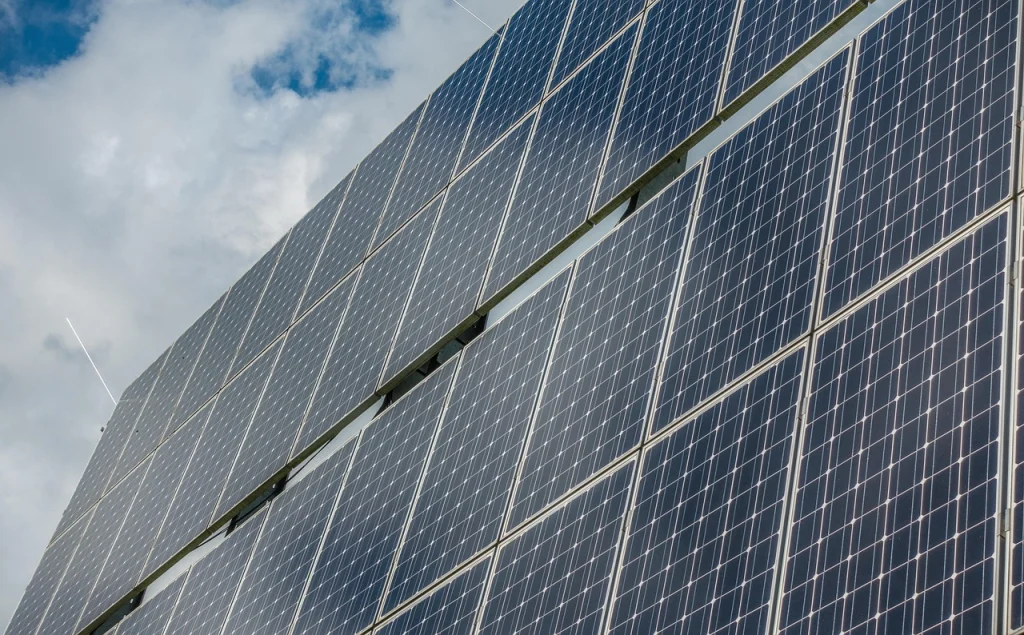
Everything You Need to Know About Types of Solar Energy Systems Before Installing Solar

Introduction

As energy costs continue to rise and businesses and homeowners seek more sustainable solutions, solar energy has become one of the smartest long-term investments. Whether you are planning to power your home, commercial building, factory, or agricultural project, understanding the different types of solar energy systems is the first step toward making the right investment.

Egypt is one of the most promising countries for solar energy thanks to its high solar irradiation throughout the year. This allows solar systems to generate significant amounts of electricity while reducing dependence on the national grid and lowering monthly electricity bills. With continuous advancements in photovoltaic technology, modern solar systems have become more efficient, more reliable, and more affordable than ever before.

However, choosing the right system is not simply about purchasing solar panels. Each project has unique energy requirements, budget considerations, installation conditions, and future expansion plans. Understanding the available types of solar energy systems helps property owners choose a system that delivers maximum performance and long-term savings.

This comprehensive guide explains everything you need to know before installing solar, including how solar systems work, the different system types, their advantages and disadvantages, installation considerations, and how to select the best solution for your property.

As one of Egypt’s trusted and certified renewable energy companies, Acropol provides complete solar energy solutions using premium JA Solar and Jinko Solar panels. The company also offers Dimas solar water heaters, Ariston gas water heaters, underfloor heating systems, wall heating systems, swimming pool heating solutions, boilers, and solar water pumping systems, providing customers with fully integrated energy solutions.

What Are Solar Energy Systems?

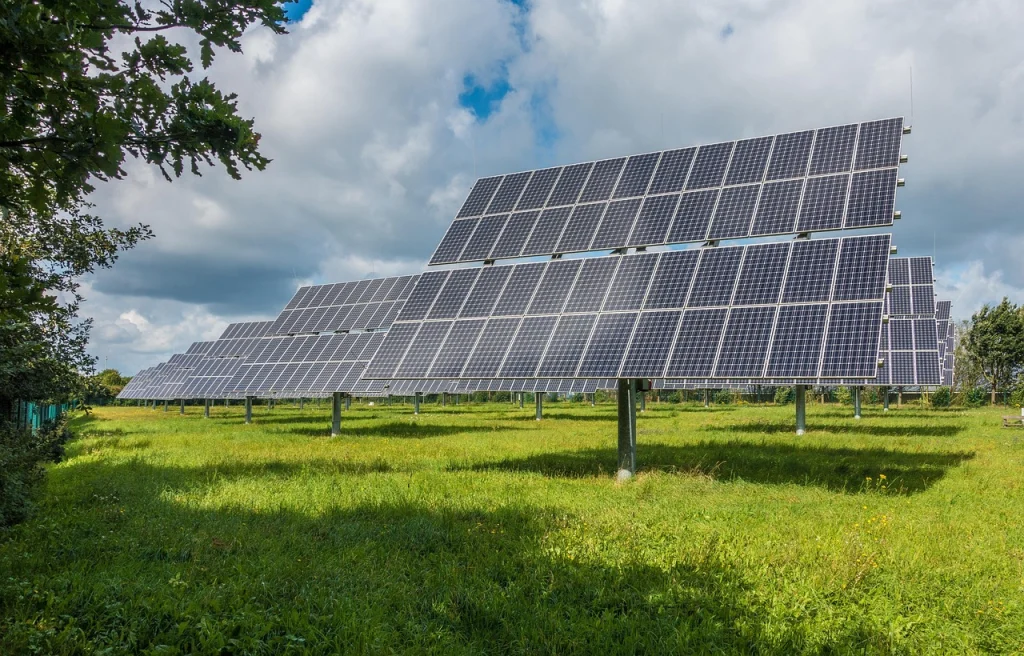
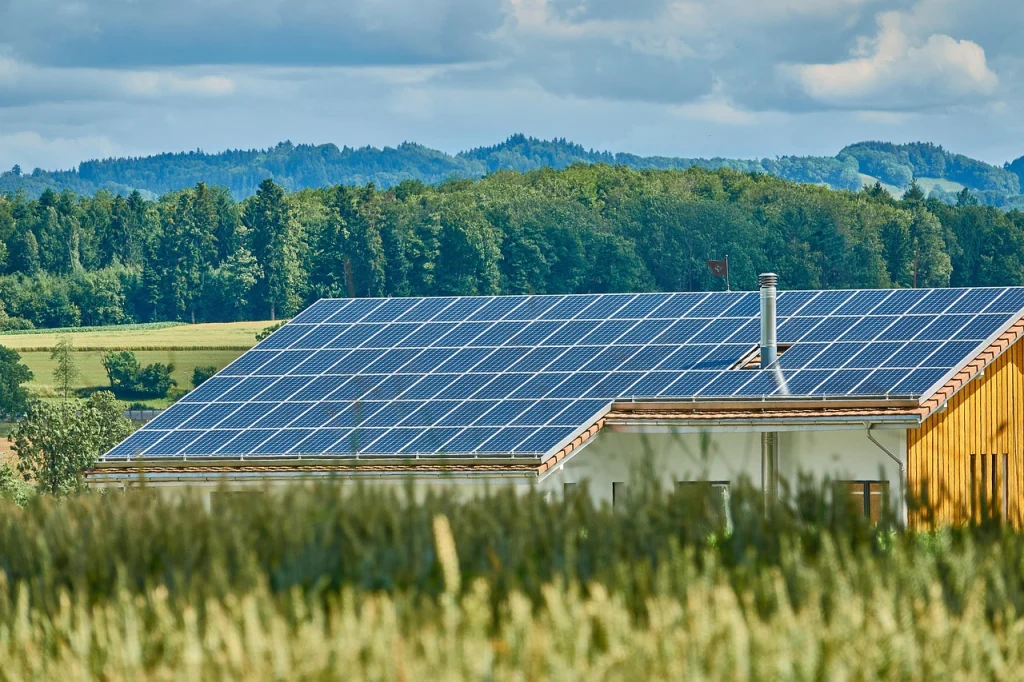
Solar energy systems are integrated technologies designed to convert sunlight into usable electrical energy. They rely on photovoltaic (PV) panels that absorb sunlight and generate direct current (DC) electricity. This electricity is then converted into alternating current (AC) through a solar inverter, making it suitable for powering homes, businesses, and industrial facilities.

Modern types of solar energy systems are designed to maximize energy production while minimizing electricity costs. Depending on the project’s requirements, systems may operate independently, connect directly to the utility grid, or combine both methods with battery storage.

A complete solar energy system generally consists of:

Solar Panels

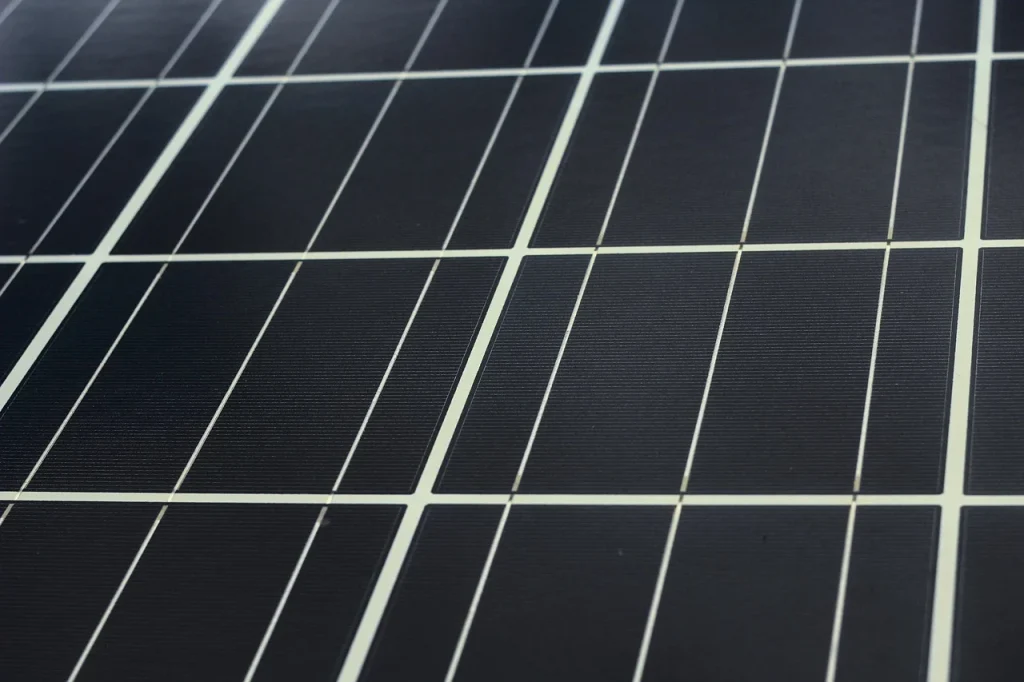
Solar panels capture sunlight and convert it into electrical energy. Their efficiency directly affects the overall performance of the system.

Acropol supplies premium JA Solar and Jinko Solar panels, both recognized worldwide for their:

  • High conversion efficiency
  • Excellent performance in high temperatures
  • Long operational lifespan
  • Reliable warranties
  • Superior durability in harsh environments

Solar Inverter

The inverter is the brain of every solar installation. It converts DC electricity into AC electricity while monitoring system performance and optimizing energy production.

Battery Storage

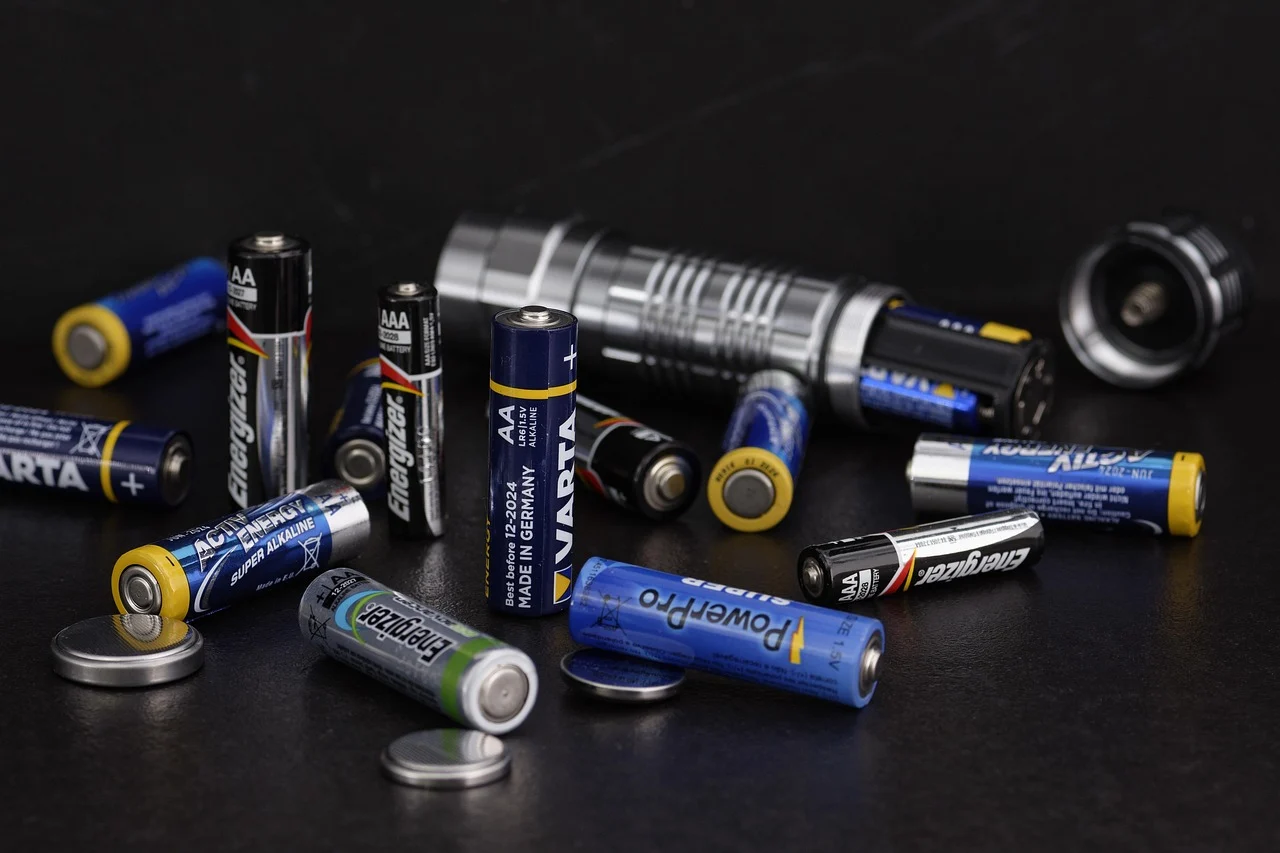
Battery storage systems allow excess electricity generated during the day to be stored and used later during the evening or power outages.

Mounting Structures

Proper mounting systems ensure that solar panels are installed at the correct angle and orientation for maximum sunlight exposure throughout the year.

Protection Equipment

Circuit breakers, surge protection devices, DC isolators, AC disconnects, and specialized solar cables protect the entire installation and improve operational safety.

Why Understanding the Types of Solar Energy Systems Matters

Many people assume that every solar installation works the same way. In reality, selecting the wrong system can lead to unnecessary expenses, lower energy production, or limited future expansion.

Understanding the different types of solar energy systems helps you:

Reduce Electricity Costs

Selecting the right solar configuration allows you to maximize energy savings while reducing reliance on utility companies.

Increase Return on Investment

The right system generates more electricity over its lifetime, improving the overall financial return.

Improve Energy Reliability

Some solar systems continue operating during grid outages, providing uninterrupted electricity for critical equipment.

Choose Equipment That Matches Your Needs

Every building has unique energy demands. Understanding system types ensures you purchase equipment that matches your actual consumption instead of overspending on unnecessary capacity.

Main Types of Solar Energy Systems

Solar technology has evolved into three primary system categories. Each serves different applications and offers unique advantages.

1. On-Grid Solar Energy Systems

An On-Grid system is directly connected to the public electricity network. It produces electricity during daylight hours, allowing the property to consume solar power before drawing electricity from the utility grid.

These systems are among the most popular types of solar energy systems because they provide excellent financial returns with relatively low installation costs.

Advantages

  • Lower installation cost
  • No large battery bank required
  • High system efficiency
  • Reduced maintenance
  • Ideal for residential and commercial buildings
  • Faster return on investment

Best Applications

  • Residential homes
  • Office buildings
  • Shopping centers
  • Schools
  • Commercial facilities
  • Hotels

For customers seeking maximum efficiency, Acropol designs On-Grid systems using high-performance JA Solar and Jinko Solar modules combined with premium inverters to ensure long-term reliability.

2. Off-Grid Solar Energy Systems

Unlike grid-connected systems, Off-Grid installations operate independently from the electrical utility network.

These types of solar energy systems require battery storage because electricity generated during the day must be available throughout the night.

They are commonly installed in remote locations where utility infrastructure is unavailable.

Advantages

  • Complete energy independence
  • Reliable electricity in isolated locations
  • Ideal for agricultural projects
  • Eliminates dependence on public utilities

Typical Applications

  • Desert farms
  • Remote villages
  • Agricultural irrigation
  • Telecommunications stations
  • Mining sites
  • Mountain lodges

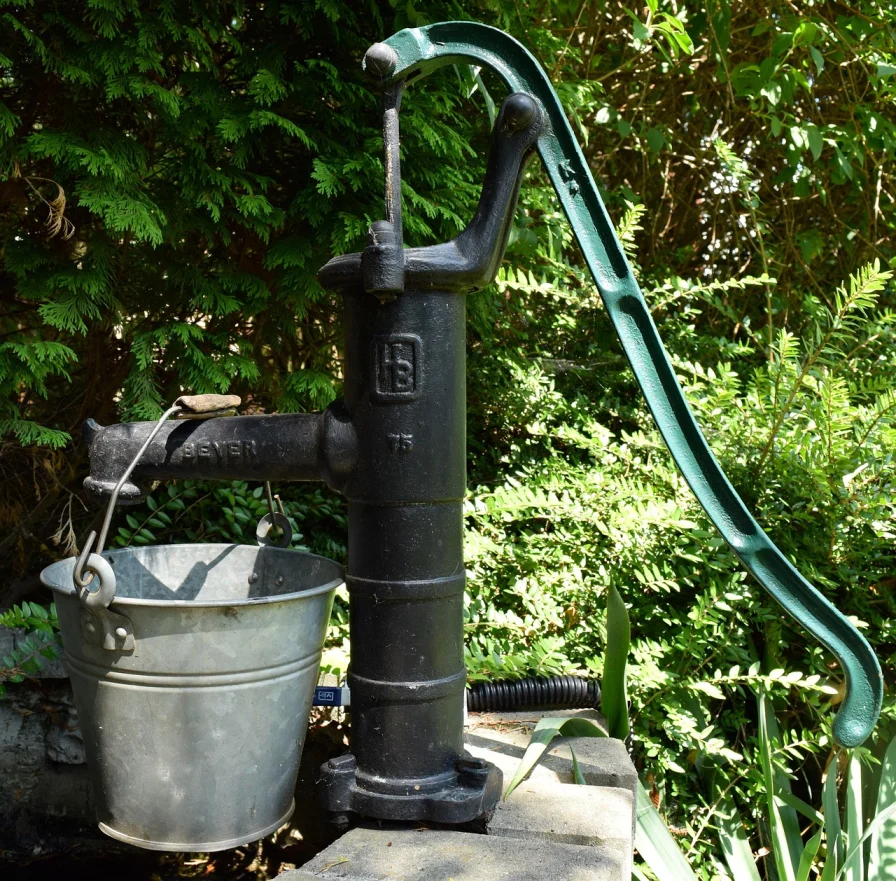
Acropol also provides advanced solar water pumping systems that integrate seamlessly with Off-Grid solar installations, making them an excellent solution for agricultural and irrigation projects across Egypt.

Hybrid Solar Energy Systems and How to Choose the Right Solar Solution

3. Hybrid Solar Energy Systems

Among all types of solar energy systems, Hybrid Solar Energy Systems have become one of the fastest-growing solutions in 2026. They combine the advantages of both On-Grid and Off-Grid systems by connecting to the utility grid while also incorporating battery storage.

This setup allows property owners to use solar energy during the day, store excess electricity for nighttime use, and rely on the utility grid only when additional power is required. The result is greater energy independence, enhanced reliability, and improved long-term savings.

Hybrid systems are particularly suitable for businesses and facilities where uninterrupted power is essential, such as hospitals, hotels, factories, office buildings, and commercial centers.

Advantages of Hybrid Solar Energy Systems

  • Lower electricity bills throughout the year.
  • Backup power during grid outages.
  • Efficient use of stored solar energy.
  • Greater energy independence.
  • Flexible system expansion.
  • Better return on investment over time.

Potential Limitations

  • Higher initial investment than On-Grid systems.
  • Battery replacement may be required after several years, depending on usage and battery technology.
  • Requires professional system design to maximize efficiency.

Comparison Between the Main Types of Solar Energy Systems

Choosing the right solar solution depends on your electricity consumption, budget, and operational requirements.

FeatureOn-GridOff-GridHybrid
Connected to Utility GridYesNoYes
Requires BatteriesOptionalYesYes
Backup During Power OutageNoYesYes
Initial CostLowHighMedium to High
MaintenanceLowMediumMedium
Return on InvestmentFastModerateExcellent
Best ForHomes & BusinessesRemote AreasCommercial & Industrial Projects

Each of these types of solar energy systems serves a specific purpose, and selecting the right option depends on a professional assessment of your energy needs.

How to Choose the Right Solar Energy System

Selecting among the available types of solar energy systems requires evaluating several important factors.

Electricity Consumption

Your monthly electricity usage determines the required system capacity. Higher consumption requires larger photovoltaic arrays and more powerful inverters.

Professional energy analysis helps avoid installing either an undersized or oversized system.

Installation Location

Roof orientation, available installation space, shading, and structural conditions all affect system performance.

A professional site survey ensures the solar panels receive maximum sunlight throughout the year.

Budget

While the upfront investment differs among the various types of solar energy systems, it is important to evaluate long-term savings rather than focusing only on installation costs.

Higher-quality equipment often provides greater efficiency, lower maintenance costs, and a longer operational lifespan.

Future Expansion

Many businesses expect their electricity demand to increase over time.

Choosing a scalable solar solution allows additional panels or battery storage to be integrated later without replacing the existing system.

Factors That Influence Solar System Performance

Even the best types of solar energy systems require proper design and installation to achieve maximum efficiency.

Solar Panel Quality

High-efficiency modules generate more electricity using the same installation area.

Acropol supplies internationally recognized JA Solar and Jinko Solar panels that deliver outstanding performance under Egypt’s climate conditions.

Inverter Efficiency

A high-quality inverter minimizes energy losses while optimizing electricity production throughout the day.

Installation Angle

Correct panel orientation significantly improves annual energy generation.

Professional engineering ensures optimal tilt angles based on project location.

Regular Maintenance

Routine cleaning removes dust and debris that may reduce panel efficiency.

Scheduled inspections also identify electrical issues before they affect system performance.

Why High-Quality Solar Panels Matter

Solar panels represent the largest investment within any solar project.

Premium products deliver:

  • Higher conversion efficiency.
  • Better performance in hot weather.
  • Longer product warranties.
  • Lower degradation over time.
  • Greater long-term financial returns.

For this reason, Acropol exclusively offers premium photovoltaic panels from JA Solar and Jinko Solar, two of the world’s leading manufacturers.

These brands are trusted for residential, commercial, and industrial projects because of their proven reliability and outstanding energy production.

Why Choose Acropol for Solar Energy Solutions?

Installing one of the available types of solar energy systems requires much more than purchasing equipment. Professional engineering, system design, installation quality, and after-sales support all determine the success of your investment.

Acropol has established itself as one of Egypt’s trusted companies in renewable energy by delivering complete integrated solutions tailored to each customer’s requirements.

Acropol’s services include:

Solar Energy Systems

Complete design, engineering, installation, testing, and maintenance for residential, commercial, industrial, and agricultural solar projects.

Premium Solar Panels

Acropol supplies authentic JA Solar and Jinko Solar photovoltaic panels known for exceptional efficiency and durability.

Solar Water Heating

The company offers high-performance Dimas Solar Water Heaters, helping customers reduce water heating costs while maximizing solar energy utilization.

Ariston Gas Water Heaters

Reliable gas water heating systems for residential and commercial applications.

Heating Solutions

Acropol designs and installs:

  • Underfloor heating systems.
  • Wall heating systems.
  • Swimming pool heating systems.

These solutions provide maximum comfort with superior energy efficiency.

Boilers

Integrated boiler systems suitable for residential compounds, hotels, hospitals, and industrial facilities.

Solar Water Pumping Systems

Advanced solar-powered pumping solutions designed for farms, irrigation projects, and remote water supply applications.

Professional Technical Support

Acropol provides:

  • Site assessment.
  • Energy analysis.
  • System sizing.
  • Engineering design.
  • Professional installation.
  • Preventive maintenance.
  • After-sales technical support.

Every installation is designed to maximize system performance while delivering the highest possible return on investment.

How Much Do Different Types of Solar Energy Systems Cost?

One of the first questions property owners ask before investing in solar energy is how much the system will cost. The truth is that there is no fixed price because several technical and operational factors determine the final investment.

The cost of types of solar energy systems depends on:

System Capacity

Larger systems require more solar panels, larger inverters, additional mounting structures, and more electrical components.

Type of Solar Panels

Premium photovoltaic modules provide higher efficiency and greater long-term reliability. Investing in high-quality panels often results in better lifetime savings than choosing lower-cost alternatives.

Acropol supplies genuine JA Solar and Jinko Solar panels that combine excellent performance with long operational warranties.

Battery Storage

Battery storage significantly increases installation costs but provides greater energy independence and backup power during grid outages.

Lithium battery technology has become increasingly popular because of its longer lifespan and higher charging efficiency.

Installation Complexity

Roof design, installation height, accessibility, electrical infrastructure, and structural requirements all influence project costs.

Energy Consumption

The higher your electricity demand, the larger the required solar system.

A professional energy assessment ensures that customers invest in a system sized precisely for their needs.

Solar Installation Process

Professional installation is one of the most important factors affecting the performance of all types of solar energy systems.

Acropol follows a structured installation process to ensure every project delivers maximum efficiency and long-term reliability.

Step 1: Site Survey

Engineers inspect the installation site to evaluate:

  • Roof condition
  • Available installation space
  • Solar exposure
  • Shading analysis
  • Electrical infrastructure

Step 2: Energy Consumption Analysis

Monthly electricity consumption is carefully analyzed to determine the ideal system size.

This prevents oversizing or undersizing the installation.

Step 3: System Design

Engineers prepare a customized design that includes:

  • Panel layout
  • Inverter sizing
  • Electrical protection
  • Mounting structures
  • Battery configuration (if required)

Step 4: Installation

Certified technicians install every component according to international engineering standards.

Installation includes:

  • Mounting solar panels
  • Installing inverters
  • Electrical wiring
  • Protection systems
  • System integration

Step 5: Testing and Commissioning

Before project handover, every component is thoroughly tested to verify:

  • Electrical safety
  • System efficiency
  • Power production
  • Monitoring functionality

Customers receive complete operating instructions and maintenance recommendations.

Maintenance Tips for Solar Energy Systems

Proper maintenance extends the lifespan of all types of solar energy systems while maintaining high energy production.

Clean Solar Panels Regularly

Dust accumulation can reduce energy generation.

Cleaning frequency depends on local environmental conditions.

Monitor System Performance

Modern monitoring software allows users to track electricity production and quickly detect performance issues.

Schedule Professional Inspections

Routine inspections ensure that all electrical components continue operating safely and efficiently.

Professional maintenance also helps identify potential problems before they become costly repairs.

Common Mistakes to Avoid Before Installing Solar

Many property owners make avoidable mistakes when selecting among different types of solar energy systems.

The most common include:

  • Choosing equipment based only on price.
  • Ignoring future electricity demand.
  • Purchasing low-quality solar panels.
  • Hiring inexperienced installers.
  • Skipping professional site assessments.
  • Neglecting system maintenance.

Working with a trusted company like Acropol helps avoid these issues while maximizing system performance.

Frequently Asked Questions

Which of the types of solar energy systems is best?

There is no universal answer.

On-Grid systems are ideal for homes and offices connected to the utility grid.

Off-Grid systems work best for remote locations.

Hybrid systems provide the greatest flexibility for commercial and industrial applications.

How long do solar panels last?

Most premium solar panels operate efficiently for more than 25 years with proper maintenance.

Do solar panels work during cloudy weather?

Yes.

Although electricity production decreases compared to sunny days, modern photovoltaic technology continues generating power even under cloudy conditions.

Can solar systems power an entire business?

Yes.

Properly designed commercial solar installations can supply a significant portion—or even all—of a business’s electricity demand depending on system size.

Why choose JA Solar and Jinko Solar panels?

Both brands are internationally recognized for:

  • High conversion efficiency.
  • Excellent reliability.
  • Strong product warranties.
  • Superior performance in hot climates like Egypt.

Conclusion

The growing demand for renewable energy has made understanding the different types of solar energy systems more important than ever. Whether you are planning a residential, commercial, industrial, or agricultural project, selecting the right system directly impacts your electricity savings, operational efficiency, and long-term return on investment.

On-Grid, Off-Grid, and Hybrid systems each offer unique advantages depending on your energy needs, installation location, and budget. However, the quality of equipment and the expertise of the installation company remain the most important factors in achieving long-lasting performance.

With Egypt’s excellent solar resources and continuous advancements in photovoltaic technology, investing in solar energy is no longer simply an environmental decision—it is a smart financial strategy that delivers reliable electricity and significant savings for decades.

Why Choose Acropol?

Acropol is one of Egypt’s trusted providers of integrated renewable energy solutions, delivering high-quality products and professional engineering services for residential, commercial, and industrial customers.

Our solutions include:

  • Complete Solar Energy Systems.
  • Premium JA Solar and Jinko Solar panels.
  • Dimas Solar Water Heaters.
  • Ariston Gas Water Heaters.
  • Underfloor Heating Systems.
  • Wall Heating Systems.
  • Swimming Pool Heating Solutions.
  • Boilers.
  • Solar Water Pumping Systems.
  • Engineering Design and Consultation.
  • Professional Installation.
  • Preventive Maintenance.
  • Technical Support.

Every project is designed to maximize energy production while providing exceptional long-term value.

If you are considering installing one of the most efficient types of solar energy systems, now is the perfect time to invest in a reliable, future-proof solution with Acropol.

Our experienced engineering team will help you choose the ideal solar system based on your energy consumption, project requirements, and investment goals. From the initial consultation and system design to installation, commissioning, and after-sales support, Acropol delivers complete renewable energy solutions tailored to your needs.

Contact Acropol today to schedule a free consultation and discover how premium JA Solar and Jinko Solar technology can reduce your electricity costs, improve energy efficiency, and provide a long-term return on investment.

Choose Acropol—your trusted partner for solar energy systems and integrated heating solutions in Egypt.

📞 Contact Us | ✉️ Send Your Inquiry | 🌐 Visit Our Website