How Solar Energy and Future Are Transforming Homes, Businesses, and Cities

Introduction

The relationship between solar energy and future is no longer a discussion about a distant possibility. Solar power has become one of the most important technologies shaping the way homes, businesses, industries, and cities produce and consume energy.

As electricity demand continues to grow and organizations look for more reliable and sustainable energy sources, solar photovoltaic technology is moving from a supplementary solution to a central part of modern energy systems. Recent research examining global energy-transition scenarios indicates that solar PV could become the dominant source of electricity generation in highly renewable energy systems by 2050.

For Egypt, the opportunity is particularly significant. The country’s high solar irradiation, large available land areas, and growing renewable-energy market create favorable conditions for expanding solar power. Research examining Egypt’s renewable-energy potential also indicates that solar power is comparatively resilient to projected climate impacts, although higher temperatures can slightly reduce PV module output.

This makes understanding solar energy and future important for anyone considering lower energy costs, greater energy independence, or a more sustainable property.

In this guide, we explore how solar energy is transforming homes, businesses, and cities, the technologies driving this transformation, the economic benefits of solar investment, and how Egyptian consumers can choose reliable solar solutions from a trusted company such as Acropol.

What Does Solar Energy Mean for the Future?

Solar energy is produced by capturing radiation from the sun and converting it into usable electricity or heat.

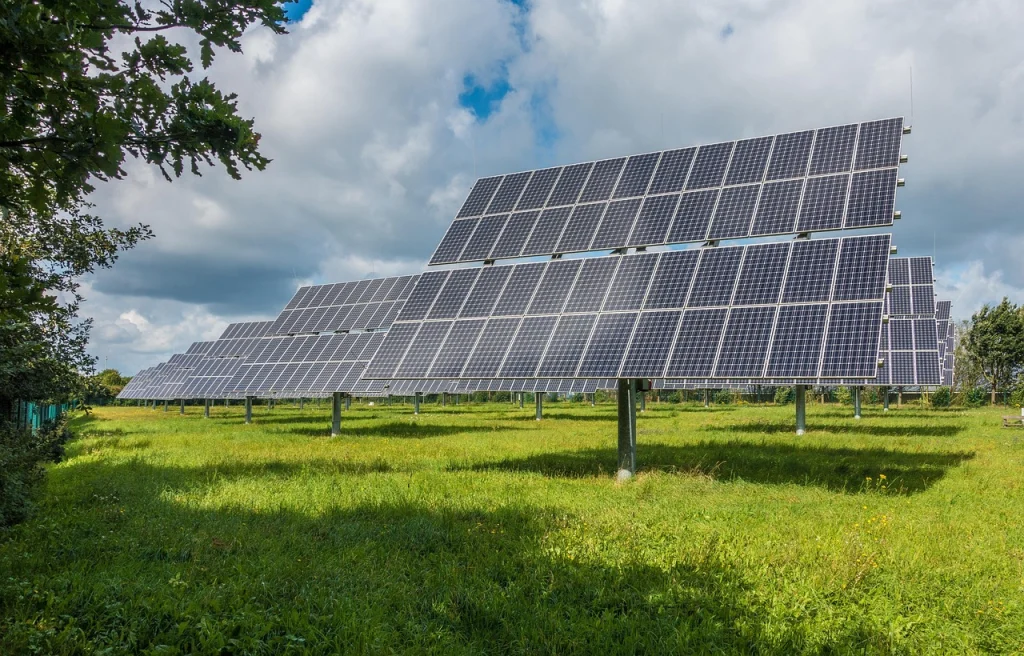
The most common technology for electricity generation is photovoltaic solar power. Solar panels contain photovoltaic cells that generate direct-current electricity when exposed to sunlight. An inverter then converts this electricity into alternating current suitable for buildings and electrical equipment.

The growing importance of solar energy and future is connected to several major trends:

  • Increasing electricity demand.
  • Rising pressure to reduce carbon emissions.
  • Improvements in solar-panel efficiency.
  • Falling costs of renewable-energy technologies.
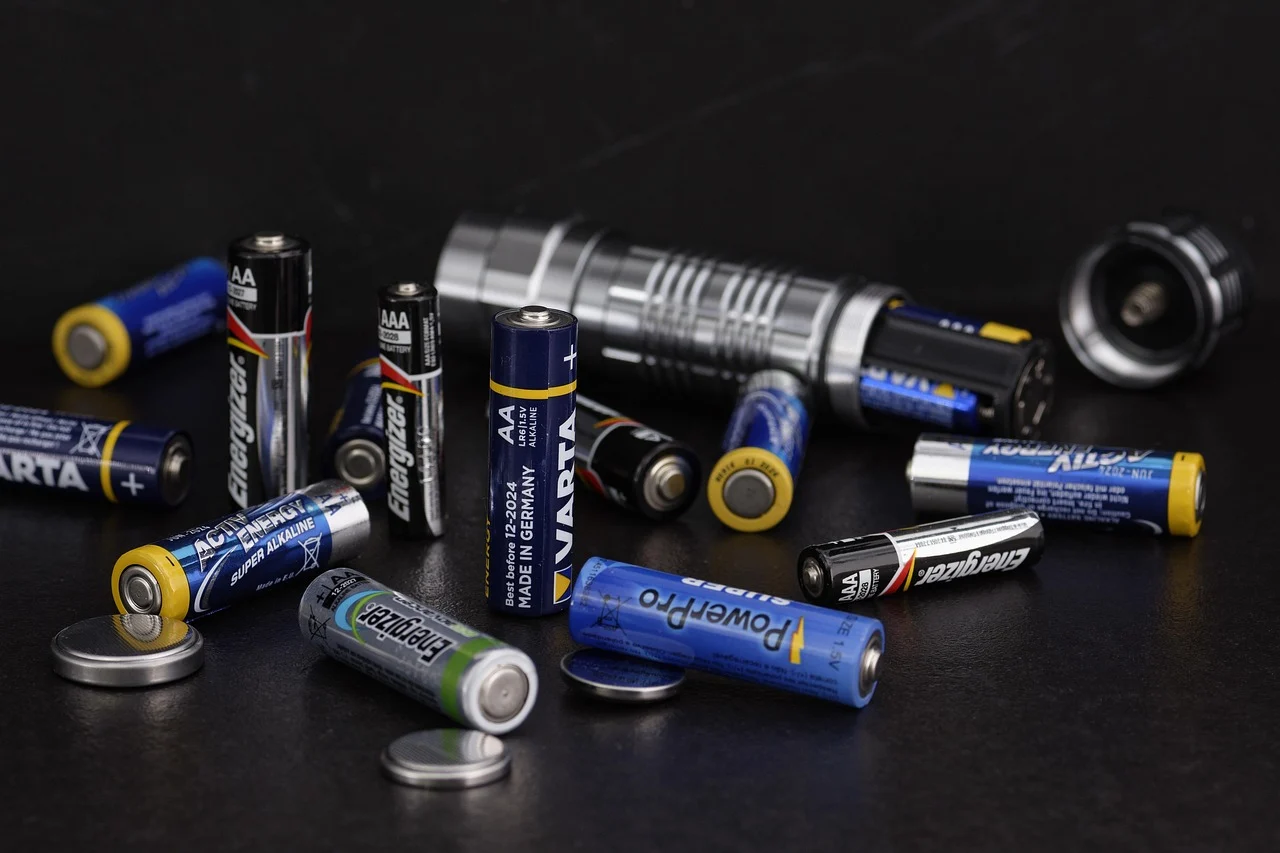
  • Development of advanced battery-storage systems.
  • Expansion of distributed energy generation.
  • Increasing electrification of transportation and heating.

Solar energy is therefore not simply replacing one electricity source with another. It is changing the structure of the energy system itself.

Get to know more about Best solar panels in the world for Maximum Power Output and Longevity

How Solar Energy Is Transforming Homes

Residential buildings are among the most visible examples of the connection between solar energy and future.

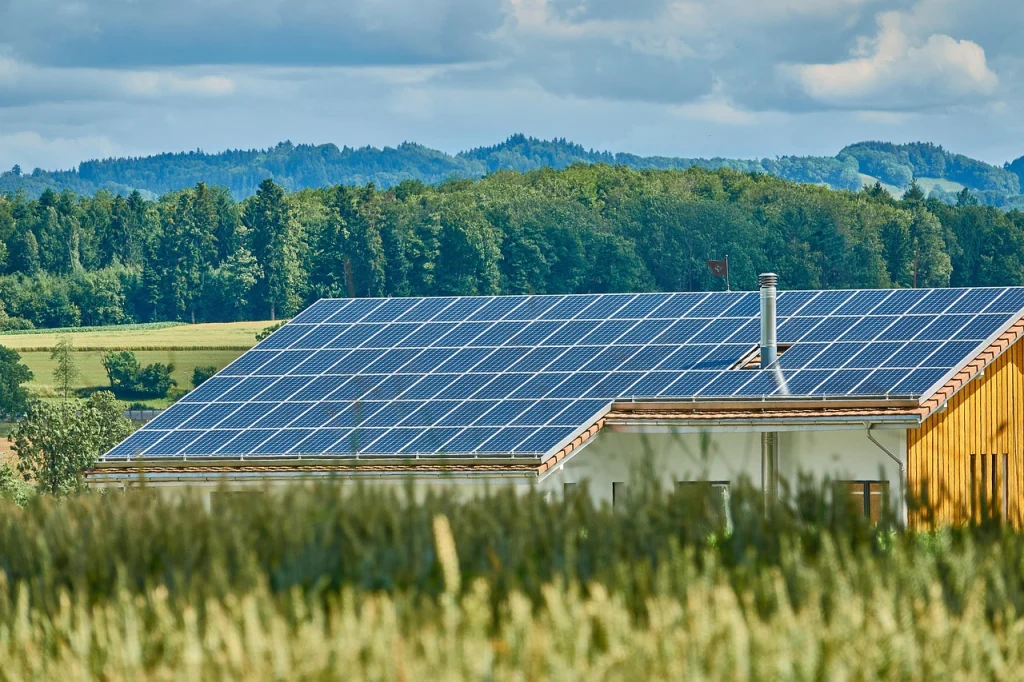
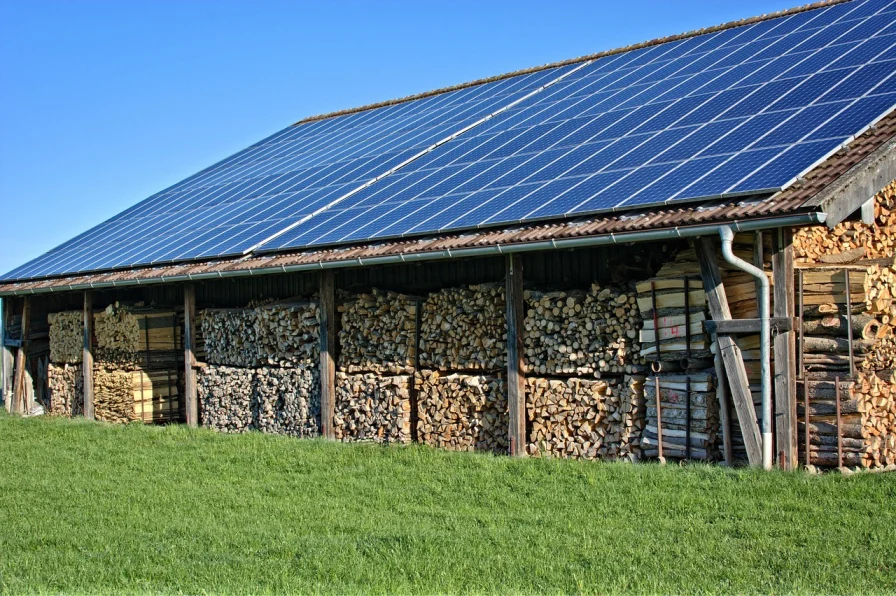
A modern home can use rooftop solar panels to generate electricity during daylight hours, reducing the amount of electricity purchased from the grid. When batteries are added, excess electricity can be stored and used later.

Lower Household Energy Costs

Electricity is one of the recurring expenses associated with operating a home. Solar panels can reduce grid electricity consumption by generating power on-site.

The exact savings depend on:

  • Household electricity consumption.
  • Solar-system capacity.
  • Roof orientation and available area.
  • Local solar conditions.
  • System efficiency.
  • Battery-storage requirements.

For this reason, a professional site assessment is more useful than choosing a system based only on its advertised capacity.

Greater Energy Independence

One of the most attractive aspects of solar energy and future is the possibility of reducing dependence on a centralized electricity network.

A hybrid solar system with battery storage can provide additional resilience by storing electricity generated during sunny periods and making it available when solar production decreases.

Solar Energy Beyond Electricity

The future of residential solar is not limited to photovoltaic panels.

Solar energy can also contribute to domestic hot-water production through solar water heaters. This can reduce the electricity or gas required to heat water.

Acropol provides integrated solutions that include Dimas solar water heaters alongside photovoltaic systems, allowing homeowners to approach energy consumption from multiple directions rather than focusing exclusively on electricity generation.

Full details about  Everything You Need to Know About Types of Solar Energy Systems Before Installing Solar

Solar Energy and the Future of Businesses

Commercial and industrial facilities often have much higher electricity consumption than residential buildings. This makes the financial case for solar energy and future particularly relevant to businesses.

Factories, warehouses, hotels, offices, farms, hospitals, and retail facilities can use rooftop or ground-mounted solar systems to generate part of their electricity requirements.

Reducing Operating Expenses

Energy costs can represent a significant part of operating expenses, particularly for businesses that use:

  • Air-conditioning systems.
  • Industrial machinery.
  • Refrigeration.
  • Water pumps.
  • Lighting systems.
  • Heating equipment.
  • Production equipment.

Generating electricity on-site can reduce the amount of electricity purchased from conventional sources.

Improving Long-Term Financial Planning

Solar systems require an initial investment, but their operating costs are relatively low compared with fuel-based generation.

This allows businesses to evaluate solar projects through metrics such as:

Payback Period

The payback period estimates how long it takes for accumulated savings to recover the initial investment.

Return on Investment

ROI measures the financial return generated by the project relative to its investment.

Levelized Cost of Electricity

LCOE estimates the average cost of electricity generated by a system over its operating lifetime.

These indicators are more useful than comparing installation prices alone.

Full details about  How Solar Energy and Wind Energy Are Transforming Renewable Power in Egypt 

Why Solar Panels Matter to the Future of Energy

The evolution of photovoltaic technology is one of the main reasons the relationship between solar energy and future has become so important.

Modern solar modules provide higher power output from increasingly efficient designs, while manufacturers continue to improve cell architecture, temperature performance, durability, and energy yield.

JA Solar and Jinko Solar

Acropol provides solar panels from recognized manufacturers including JA Solar and Jinko Solar panels

For a solar project, however, the brand of the panel is only one part of the decision. A successful system also requires:

  • Correct system sizing.
  • Appropriate inverter selection.
  • Professional mounting.
  • High-quality electrical protection.
  • Proper cable selection.
  • Accurate installation.
  • Monitoring and maintenance.

A high-quality panel installed incorrectly will not necessarily deliver the expected project performance.

Full details about    Why Solar Energy and Future Investments Are Growing Faster Than Ever

The Role of Battery Storage in Solar Energy and Future

Solar generation naturally varies throughout the day. Production increases after sunrise, reaches its strongest levels around the middle of the day, and decreases toward sunset.

Battery storage addresses one of the major challenges associated with solar power: the difference between when electricity is generated and when it is consumed.

How Solar Batteries Work

During periods of high solar production, electricity can be directed toward immediate consumption while surplus energy charges the battery.

Later, stored energy can be used when solar production is insufficient.

This creates a more flexible energy system.

Why Lithium Batteries Are Becoming Important

Lithium-based storage technologies, particularly lithium iron phosphate batteries, are increasingly attractive for solar applications because of their high usable capacity, efficiency, and long cycle life.

However, battery selection should always consider the manufacturer’s specifications, operating temperature, inverter compatibility, warranty, and expected daily cycling.

Find out more about Ways to Save Electricity at Home: Practical Energy-Saving Tips for 2026 

Solar Energy and the Future of Cities

The transformation created by solar energy and future extends beyond individual buildings.

Cities are becoming increasingly interested in distributed energy generation, smart grids, electric vehicles, energy-efficient buildings, and battery storage.

Solar-Powered Buildings

Commercial rooftops can become electricity-generating assets instead of unused surfaces.

Office buildings, shopping centers, hotels, schools, hospitals, and public facilities can integrate photovoltaic systems into their energy strategies.

Solar-Powered Infrastructure

Solar power can also support:

  • Street lighting.
  • Water pumping.
  • Remote monitoring systems.
  • Telecommunications infrastructure.
  • Public facilities.
  • Electric-vehicle charging.

Smarter Energy Networks

The future electricity network is expected to become more distributed and digital.

Instead of electricity flowing only from large centralized power stations toward consumers, buildings can increasingly become both consumers and producers of electricity.

This concept is central to the future relationship between solar energy and future.

Full details about  How to Save Electricity in Summer and Winter: Expert Energy-Saving Strategies 2026

Solar Energy in Egypt: Why the Opportunity Is Significant

Egypt has strong natural conditions for solar development.

The country has high levels of solar irradiation and extensive areas suitable for solar installations. Egypt has also developed major renewable-energy projects, including the Benban Solar Park.

Egypt’s renewable-energy strategy has historically placed significant emphasis on increasing the contribution of renewable sources to electricity generation, while the solar sector continues to attract investment and technological development.

More recently, solar installations have also expanded into major public and commercial projects. In May 2026, a solar power station was inaugurated at the Grand Egyptian Museum as part of Egypt’s broader sustainability and clean-energy direction.

These developments demonstrate that the future of solar energy in Egypt is not limited to large power plants. Distributed solar systems for homes and businesses are also becoming increasingly relevant.

How Solar Energy Can Reduce the Cost of Heating

The discussion around solar energy and future should not focus exclusively on electricity.

Heating represents another major energy requirement, particularly in residential, hospitality, and commercial applications.

Solar Water Heating

Solar water heaters use solar thermal energy to heat water, reducing the energy required from conventional heating systems.

Acropol provides Dimas solar water-heating solutions for customers seeking to reduce the energy cost associated with hot-water production.

Gas Heating

Where gas remains appropriate, high-efficiency gas-water-heating solutions can complement a broader energy strategy.

Acropol also provides Ariston gas water heaters as part of its integrated heating solutions.

Underfloor and Wall Heating

Energy-efficient heating systems can also be incorporated into modern buildings.

Acropol provides:

This creates an integrated approach in which solar electricity and heating technologies can work together.

Full details about  Best Ways to Save Money on Electricity Without Sacrificing Comfort 2026 

Solar Water Pumps and the Future of Agriculture

Agriculture is another sector where solar energy and future are closely connected.

Water pumping can consume substantial amounts of electricity or diesel fuel, particularly in remote agricultural areas.

Solar-powered pumping systems can use photovoltaic electricity to operate pumps during periods of sunlight, reducing dependence on conventional fuel.

Acropol provides solar-powered water-pumping solutions suitable for agricultural and water-supply applications.

Discover more about Heating a Swimming Pool with Solar and Heat Pump Options in Egypt

Advantages for Agricultural Projects

Solar pumping can provide:

  • Lower fuel dependence.
  • Reduced operating costs.
  • Greater suitability for remote areas.
  • Reduced maintenance associated with diesel engines.
  • A cleaner method of water pumping.

System sizing must nevertheless be based on water requirements, pump characteristics, well depth, hydraulic head, daily operating requirements, and available solar resources.

Find out more about Why a Swimming Pool Heat Pump Is the Best Option for Eco-Friendly Pool Heating

What Challenges Could Affect the Future of Solar Energy?

Although the future of solar energy is promising, solar technology is not without challenges.

Intermittency

Solar panels do not generate electricity at night and their output changes with weather and irradiance.

Battery storage, grid integration, demand management, and complementary energy sources help address this issue.

Temperature

High temperatures can reduce PV module output. Research focused specifically on Egypt’s future climate conditions estimates that increasing temperatures could have a relatively modest but measurable effect on average PV module power by 2065.

This makes proper system design and equipment selection important in Egypt’s climate.

Installation Quality

Poor installation can cause:

  • Reduced energy production.
  • Electrical losses.
  • Safety problems.
  • Premature equipment failure.
  • Difficult maintenance.

For this reason, choosing an experienced installer is as important as selecting the equipment.

Understand more about How a Swimming Pool Heating System from Acropol Saves Energy and Cost in Egypt 

How to Choose the Right Solar System

Choosing a solar system should begin with energy consumption rather than panel quantity.

Step 1: Analyze Electricity Consumption

Review electricity bills and identify daily and seasonal consumption patterns.

Step 2: Determine the Required Capacity

The system should be sized according to actual electricity demand and available solar resources.

Step 3: Select the Appropriate Panels

Choose panels according to efficiency, power rating, warranty, temperature characteristics, available space, and project economics.

Step 4: Select the Inverter

The inverter must be compatible with the solar array and electrical loads.

Step 5: Decide Whether Batteries Are Necessary

Battery storage is particularly useful when backup power or greater energy independence is required.

Step 6: Evaluate the Installation Company

A professional company should provide technical assessment, system design, installation, commissioning, warranty support, and maintenance.

Understand more about Renewable Energy Solar Panels: Top Brands for 2026 

Why Choose Acropol for Solar Energy Solutions?

The future of solar energy depends not only on technology but also on the quality of implementation.

Acropol provides integrated renewable-energy and heating solutions in Egypt, including solar PV systems and solar panels from JA Solar and Jinko Solar panels

The company’s solutions also include:

Solar Energy Systems

Design and installation of solar photovoltaic systems for residential, commercial, and agricultural applications.

Dimas Solar Water Heaters

Solar water-heating solutions designed to reduce conventional energy consumption.

Ariston Gas Water Heaters

Reliable gas-based water-heating solutions for applications where conventional heating remains appropriate.

Heating Systems

Acropol provides:

  • Underfloor heating.
  • Wall heating.
  • Swimming-pool heating.
  • Boilers.

Solar Water Pumps

Solar-powered pumping systems for agricultural and other water-supply applications.

The value of an integrated provider is that the customer can evaluate electricity generation, water heating, pumping, and heating as parts of one energy strategy.

Understand more about  Advantages of Underfloor Heating: Why It’s a Smart and Healthier Home Upgrade in 2026

Solar Energy and Future Investment: Is Solar Worth It?

For many property owners and businesses, the most important question is financial.

The answer depends on the project.

A solar system should be evaluated according to:

  • Initial investment.
  • Annual electricity savings.
  • System lifetime.
  • Maintenance costs.
  • Battery replacement requirements.
  • Financing costs.
  • Electricity-price assumptions.
  • Expected annual solar production.

A system with a lower purchase price is not necessarily the most profitable.

For example, a more efficient panel may cost more initially but produce more electricity over its lifetime. Similarly, a higher-quality inverter may reduce downtime and maintenance costs.

Therefore, the best solar investment is not necessarily the cheapest installation. It is the system that delivers the strongest combination of reliability, energy yield, lifetime cost, and return on investment.

Understand more about Solar Energy in Egypt: How It’s Transforming the Energy Landscape 

The Future of Solar Energy in 2026 and Beyond

The trajectory of solar energy and future is being shaped by several technologies.

Higher-Efficiency Solar Cells

Research continues to improve photovoltaic efficiency through advanced cell architectures and emerging technologies such as perovskite-based solar cells. Recent reviews highlight continuing development across crystalline silicon, thin-film, perovskite, and other photovoltaic technologies.

Better Energy Storage

As battery technology improves, solar systems will become increasingly capable of supplying energy beyond daylight hours.

Smart Energy Management

Artificial intelligence, sensors, monitoring platforms, and smart inverters can help optimize electricity consumption and solar production.

Building-Integrated Solar

Solar technology is increasingly being incorporated into building materials, façades, roofs, and architectural structures.

Electric Transportation

Solar-generated electricity can also support EV charging, connecting renewable electricity generation with the electrification of transportation.

Understand more about Solar Energy in Egypt: How It’s Transforming the Energy Landscape 

Solar Energy and Future: What Will Homes and Businesses Look Like?

The future building may not simply consume electricity.

It may:

  • Generate electricity.
  • Store electricity.
  • Heat water using solar energy.
  • Manage electricity consumption automatically.
  • Charge electric vehicles.
  • Exchange energy with the grid.
  • Use smart systems to optimize energy consumption.

This is the deeper meaning of solar energy and future: moving from passive energy consumption toward active energy management.

Full details about Solar Energy Companies in Egypt: Services and Solutions 

Frequently Asked Questions

Is solar energy really the future?

Solar power is expected to play a major role in future electricity systems because of its scalability, falling technology costs, and abundant resource. Recent research reviewing energy-transition scenarios found that solar PV could represent a very large share of global electricity generation in highly renewable systems.

Is solar energy suitable for Egypt?

Yes. Egypt has strong solar resources and significant potential for both large-scale and distributed solar projects.

Can solar panels power an entire house?

Yes, provided the system is correctly sized according to the home’s electricity consumption. Battery storage may be required if the objective is to operate independently from the grid.

Do solar panels work during winter?

Yes. Solar panels continue producing electricity during winter as long as sunlight is available. Production varies according to irradiance, temperature, shading, orientation, and system design.

Do solar panels need maintenance?

They require relatively limited maintenance, primarily cleaning, inspection, monitoring, and periodic electrical checks.

Are JA Solar and Jinko Solar suitable for Egypt?

Both are established global solar-panel manufacturers. The appropriate module should be selected according to the project’s technical requirements, available space, environmental conditions, warranty, and overall system design.

Full details about Solar Cells in Egypt: How to Choose the Best Products 

Conclusion

The relationship between solar energy and future is becoming increasingly practical rather than theoretical. Solar technology is transforming the way homes generate electricity, helping businesses reduce operating expenses, and contributing to the development of smarter and more sustainable cities.

For Egypt, the opportunity is particularly significant because of the country’s strong solar resources and growing renewable-energy infrastructure.

However, successful solar investment requires more than purchasing panels. The system must be properly designed, correctly sized, professionally installed, and supported by reliable equipment and technical expertise.

Whether the objective is reducing a home’s electricity bill, lowering the operating costs of a commercial facility, powering agricultural water pumps, heating domestic water, or developing a comprehensive energy strategy, solar technology can become a central component of a more efficient future.

Acropol provides integrated solutions covering solar electricity generation, JA Solar and Jinko Solar panels, Dimas solar water heaters, Ariston gas water heaters, boilers, underfloor heating, wall heating, swimming-pool heating, and solar-powered water pumps.

The future of energy is becoming more distributed, more efficient, and more dependent on renewable resources. For property owners and businesses in Egypt, investing in the right solar solution today can be an important step toward lower operating costs and greater energy independence tomorrow.

Build Your Energy Future with Acropol

Are rising electricity and energy costs affecting your household or business?

Now is the right time to evaluate how solar energy and future technologies can work for your property.

With Acropol, you can receive an integrated energy solution based on your actual consumption and project requirements, including:

Do not choose a solar system based on price alone. Choose a system designed to deliver reliable performance, measurable savings, and long-term value.

Contact Acropol today for a professional assessment of your project and discover the right solar and energy solution for your home, business, or agricultural facility.

📞 Contact Us | ✉️ Send Your Inquiry | 🌐 Visit Our Website