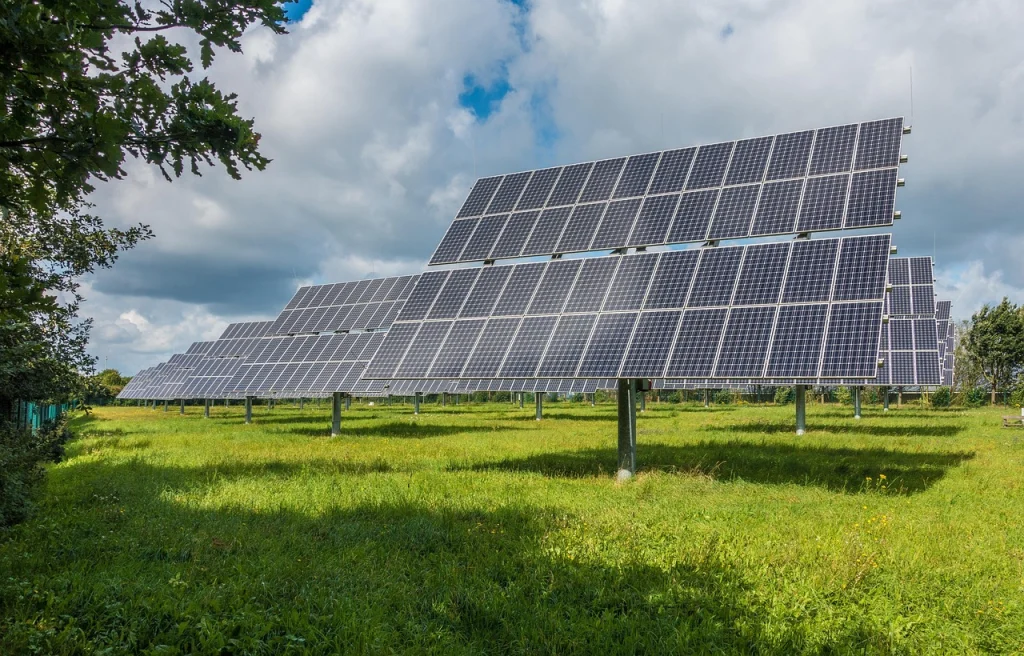
Solar energy in Egypt has emerged as a cornerstone of the nation’s long-term energy strategy, leveraging abundant sunlight and strategic policy frameworks to reduce reliance on fossil fuels, expand renewable capacity, and energize economic growth. As the government pursues ambitious targets to dramatically increase the share of renewable generation, solar energy is playing a foundational role in reshaping electricity production, industrial power usage, and residential energy solutions throughout the country.
At the same time, private enterprises and technology partners such as Acropol are contributing to Egypt’s solar transition—not only by providing sustainable systems like solar thermal Dimas units but also by integrating trusted heating solutions (floor heating, wall heating, pool heating) and high-efficiency hot water systems including Ariston gas water heaters. These developments illustrate how solar energy complements broader energy and comfort solutions for homes and businesses alike.
What Is Solar Energy and Why It Matters
Solar energy refers to the conversion of sunlight into electricity or heat through technologies such as photovoltaic (PV) panels, concentrated solar power (CSP) systems, and solar thermal collectors. In Egypt’s context, harnessing solar energy is particularly advantageous because of the country’s hot desert climate with high solar irradiation, which delivers significant daily sunshine hours and robust annual potential.
This environmental characteristic makes Egypt one of the world’s most promising regions for utility-scale photovoltaic farms, off-grid solar solutions, and distributed solar applications for residential and commercial use.
What you should know about Jinko Solar Inverter: Top Features and Benefits
Solar Energy’s Place in the National Energy Strategy
The Egyptian government has formalized renewable energy ambitions, targeting a substantial percentage of the country’s electricity generation to come from renewables—specifically aiming for over 42% by 2030. Solar energy in Egypt, as a major contributor to this effort, has been included in strategic policy frameworks, investment incentives, and national development plans designed to increase clean energy production and reduce environmental impact.
This shift responds to a broader global climate agenda and domestic priorities for energy security, economic diversification, and sustainable development.
Understand more about Renewable Energy Solar Panels: Top Brands for 2026
The Current Landscape: Solar Energy in Egypt Today
Installed Capacity and Major Solar Projects
Solar energy in Egypt has seen robust growth over the past decade:
- Benban Solar Park in Aswan is one of the world’s largest solar parks with an installed capacity of approximately 1,650 MW, generating clean power and shaping the blueprint for large-scale solar deployment in the region.
- Private and government initiatives continue expanding solar capacity across the country, with recent reports showing increasing solar generation capacity and investment momentum.
Collectively, these assets strengthen the renewable portfolio while creating new opportunities for investment and job growth.
Read more about Off Grid Solar Power Systems: Top Solutions for 2026
Growth Trend and Market Projections
Industry reports indicate that Egypt’s solar capacity is expected to grow rapidly over the coming years—projected to expand from roughly 3.6 GW in 2025 to nearly 8.8 GW by 2030, propelled by favorable economics and supportive policy environments.
This growth reflects broader trends where solar energy in Egypt is becoming increasingly cost-effective and attractive for both utility-scale projects and distributed generation systems.
Find out more about 20 Reasons to Invest in Grid Connected Solar Power Systems
Solar Potential and Geographic Advantage
Egypt’s geographic position as part of the global “sun-belt” means that areas such as Upper Egypt, the Western Desert, and Sinai receive substantial solar irradiation—between 2,000 and 3,200 kWh/m²/year. This abundant sunlight translates into high potential yields for solar power generation.
This natural advantage underpins government and private sector investment strategies and guides decisions about where to locate major PV and CSP systems.
Explore more about Is Solar Power Cost Effective for Your Home?
Economic and Environmental Benefits of Solar Energy
Cost Competitiveness and Energy Security
Solar energy’s widening role in Egypt’s energy mix delivers several economic advantages:
- Solar-generated electricity has significantly lower marginal costs compared with fossil fuel generation, particularly in settings where fuel prices are volatile or high.
- Reducing dependence on imported fuels limits exposure to global price volatility and helps stabilize domestic electricity pricing.
Discover more about 20 Benefits of a Commercial Solar Power Plant | Acropol
Job Creation and Local Industry Growth
The rapid expansion of solar energy in Egypt has helped generate new employment opportunities in manufacturing, installation, maintenance, and research sectors. As downstream industries mature, there are increasing prospects for local component production, workforce development, and export-oriented solar technology services.
Environmental Impact
Solar power reduces greenhouse gas emissions by displacing fossil fuel-based generation. By transitioning to clean energy sources such as solar, Egypt advances climate mitigation efforts and contributes to global sustainability goals.
Learn more about Leading Solar Power Companies in 2026: Who’s on Top?
Solar Energy Applications: From Utility Scale to Residential Use
Utility-Scale Solar Power
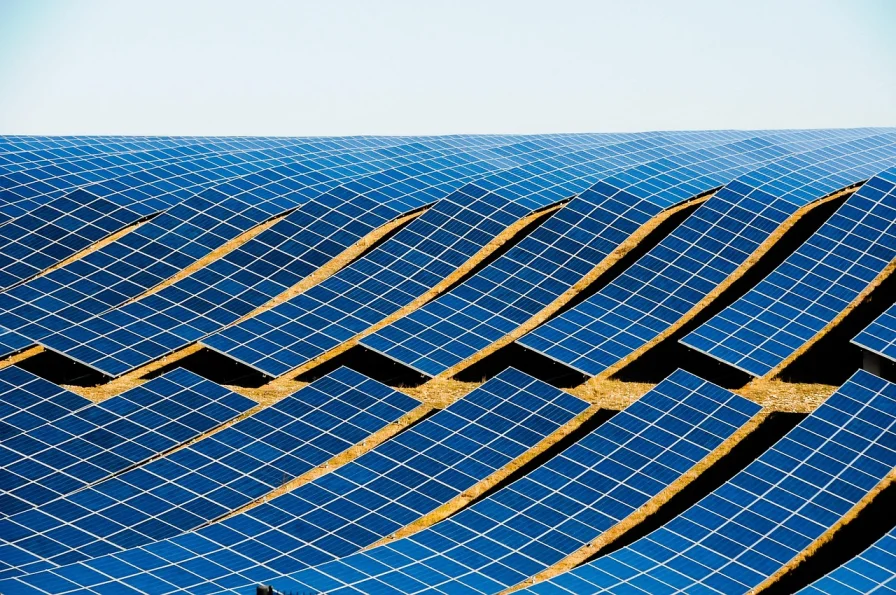
At the core of solar energy in Egypt are large installations like the Benban Solar Park and emerging projects in Kom Ombo and the Western Desert. These utility solar farms produce significant gigawatt-level output and feed electricity into the national grid, supporting industrial demand and balancing peak load requirements.
Utility solar projects also attract foreign investment and foster public-private partnerships in the energy sector.
Read more about Solar Powered Water Heater in Egypt
Distributed Solar and Residential Adoption
Beyond utility power, solar energy in Egypt is increasingly being adopted at the household and commercial levels:
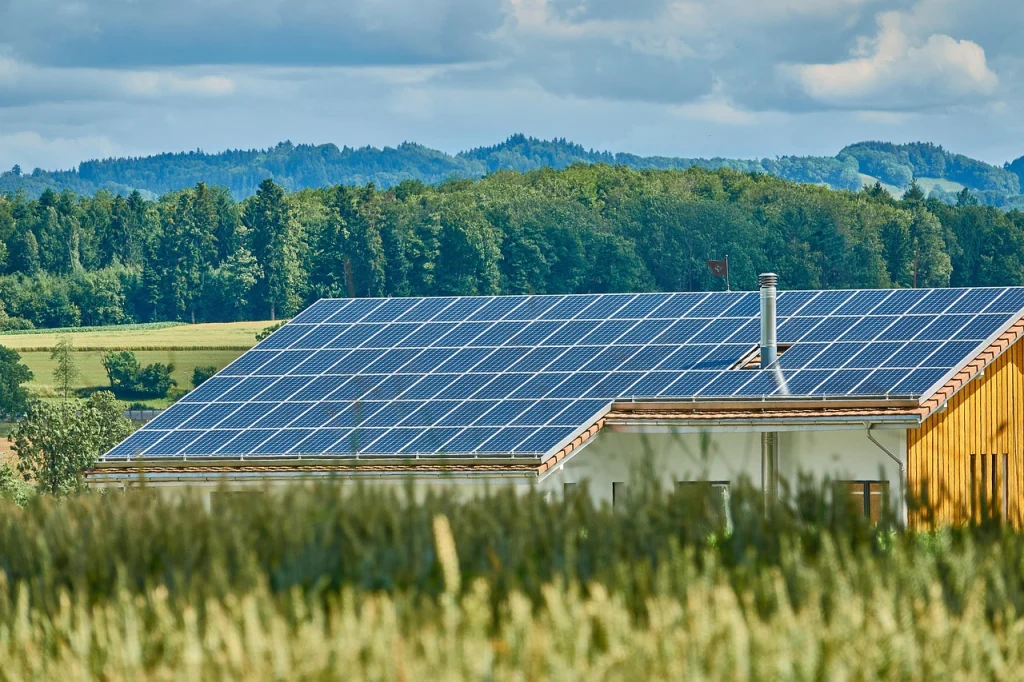
- Rooftop PV systems reduce electricity bills and provide energy independence for residential users.
- Small and medium-scale solar installations are used for water pumping, water heating, and commercial operations.
Understand more about Commercial Solar Power Projects: 10 Amazing Projects
Solar Thermal Heating Solutions
Solar thermal systems capture sunlight to produce heat rather than electricity. These systems are particularly beneficial for hot water generation and space heating:
- Solar thermal Dimas units supplied by Acropol offer efficient hot water production for homes and businesses without relying on grid electricity or fossil fuels. These units integrate with existing infrastructure to deliver reliable daily performance.
Solar thermal systems also play a role in reducing peak electricity demand in hot climates by offsetting conventional water heating loads.
Explore more about Top 10 Advantages of Solar Water Heaters
Complementary Technologies: Integrating Solar with Heating and Hot Water Systems
Solar With Central Heating Solutions
Solar energy integration into home comfort systems like floor heating, wall heating, and swimming pool heating expands the benefits of renewables beyond electricity generation:
- Floor heating and wall heating systems powered by solar-assisted infrastructure offer year-round comfort while minimizing energy costs and emissions.
- Solar-assisted pool heating harnesses low-cost thermal energy to extend swimming seasons while reducing fuel-based heating expenses.
By incorporating solar thermal and PV technologies into central heating solutions, households benefit from broader efficiency and comfort gains.
Discover more about Leading Solar Power Companies in 2026: Who’s on Top?
Hot Water Solutions: Solar and Gas Options
In combination with solar technologies:
- Solar thermal Dimas systems provide sustainable hot water using clean energy.
- Ariston gas water heaters, distributed by Acropol in Egypt, offer a trusted alternative or hybrid solution where solar thermal output may vary seasonally.
This combination of technologies ensures reliable hot water supply regardless of weather or grid conditions, optimizing convenience without sacrificing efficiency.
Policy, Regulation, and Market Dynamics
Government Policy and Renewable Targets
Egypt’s renewable energy targets—such as achieving 42% renewable electricity by 2030—have encouraged greater solar investment and infrastructure development.
These policies often include incentives, feed-in tariffs, and regulatory support aimed at accelerating the deployment of solar energy solutions.
Learn more about Solar Cells in Egypt: How to Choose the Best Products
Private Sector Participation and Market Incentives
Private sector engagement is critical to scaling solar energy in Egypt. Market reforms and procurement mechanisms have enabled independent power producers to contribute meaningfully to solar capacity growth, diversifying investment sources and enhancing competition.
Understand more about Solar Energy in Egypt: How It’s Transforming the Energy Landscape
Barriers and Ongoing Challenges
While progress has been significant, challenges remain:
- Grid integration and transmission bottlenecks can limit the effective deployment of intermittent solar power.
- Regulatory and financing barriers impact the speed at which residential and commercial solar projects reach market.
Addressing these challenges will require coordinated policy efforts, investment in grid modernization, and flexible financing options to support smaller-scale solar initiatives.
Full details about Solar Energy Companies in Egypt: Services and Solutions
How Solar Energy Is Impacting Key Sectors
Industrial and Commercial Energy Demand
Large industrial facilities and commercial operations are major consumers of electricity. By integrating solar energy solutions, businesses can reduce operational costs, lower carbon footprints, and improve energy resilience.
Agriculture and Rural Electrification
Solar power is instrumental in providing off-grid electrification to rural and remote areas, supporting water pumping, refrigeration, and agribusiness operations where traditional grid access is limited.
The Role of Acropol in Egypt’s Solar Energy Transformation
Acropol as a Trusted Solar and Heating Solutions Provider
Acropol is recognized in Egypt for providing trusted and certified heating and water solutions. Its contributions span:
- Solar thermal Dimas systems for sustainable hot water production
- Central heating systems (floor, wall, and pool heating) that integrate with renewable sources
- Ariston gas water heaters for reliable hybrid hot water solutions
These offerings illustrate how solar energy in Egypt is not limited to large-scale electricity projects but also extends into complementary technologies that improve quality of life for households and businesses.
Integration with Renewable Systems
Acropol’s solutions are designed to work in tandem with solar power systems, helping optimize energy use, reduce dependency on grid-supplied electricity or fossil fuels, and deliver sustainable performance tailored to local climate conditions.
Supporting Sustainable Living and Energy Efficiency
By delivering durable, efficient systems, Acropol helps homeowners and commercial clients reduce energy costs, benefit from renewable technologies, and contribute to Egypt’s national sustainability goals.
Future Outlook: What’s Next for Solar Energy in Egypt
Growth Trajectory
Looking ahead, the solar energy sector in Egypt is poised for continued expansion. Projections indicate rising installed capacity, new technological adoption, and greater integration of solar into both utility and distributed energy systems.
Technological Innovation
Advancements such as grid-scale battery storage, hybrid energy systems, and smart solar solutions will further enhance the reliability and cost-effectiveness of solar installations.
Policy and Investment Trends
Continued policy support, international funding, and investment partnerships will shape the pace of solar energy deployment. Public-private collaboration and innovative financing will be key to unlocking the full potential of solar energy in Egypt’s energy mix.
The Rise of Solar Energy in Egypt
· Egypt’s Commitment to Renewable Energy
Egypt’s commitment to renewable energy, particularly solar power, is a key driver in the country’s energy transformation. In 2014, the Egyptian government launched an ambitious plan to generate 20% of its energy from renewable sources by 2022, with a substantial portion coming from solar power. This commitment has attracted significant international investments and partnerships, leading to the development of large-scale solar projects across the country.
· Benban Solar Park: A Landmark Project
One of the most notable achievements in Egypt’s solar energy journey is the Benban Solar Park, located in Aswan. As one of the largest solar parks in the world, Benban has put Egypt on the global map of solar energy leaders. Spanning over 37 square kilometers and housing 32 individual projects, the park has a total capacity of 1.8 GW. This landmark project not only contributes significantly to the national grid but also creates thousands of jobs, boosting the local economy.
· Government Policies and Incentives
The Egyptian government has implemented several policies and incentives to promote solar energy adoption. These include feed-in tariffs, tax exemptions, and the facilitation of land allocation for solar projects. The government’s supportive stance has made solar energy projects more financially viable and attractive to investors, further accelerating the sector’s growth.
Benefits of Solar Energy in Egypt
1. Reducing Dependence on Fossil Fuels
One of the primary benefits of solar energy in Egypt is its potential to reduce the country’s dependence on fossil fuels. Egypt has historically relied heavily on oil and natural gas for electricity generation. However, with the increasing adoption of solar energy, the country is gradually shifting towards a more sustainable energy mix. This transition is crucial for reducing greenhouse gas emissions and combating climate change.
2. Economic Advantages
The economic benefits of solar energy in Egypt are manifold. The solar industry has created thousands of jobs, from manufacturing and installation to maintenance and management. Additionally, the reduction in fossil fuel consumption translates to significant cost savings for the government, freeing up resources for other developmental projects.
3. Energy Security and Independence
Solar energy also plays a vital role in enhancing Egypt’s energy security. By diversifying its energy sources, Egypt is less vulnerable to fluctuations in global oil and gas prices. Solar power, being a domestic resource, contributes to energy independence, ensuring a stable and reliable energy supply for the country.
4. Environmental Impact
The environmental benefits of solar energy cannot be overstated. Solar power generation produces zero greenhouse gas emissions, making it a clean and sustainable energy source. By reducing the reliance on fossil fuels, solar energy helps mitigate air pollution and contributes to the global fight against climate change.
Full details about Solar Cells in Egypt: How to Choose the Best Products
How Solar Energy is Transforming Egypt’s Energy Landscape
1. Empowering Rural Communities
Solar energy is playing a transformative role in empowering rural communities across Egypt. In many remote areas, access to electricity has been limited or non-existent. Solar energy offers a viable solution to this challenge, providing reliable and affordable electricity to rural households. This, in turn, improves living standards, supports local businesses, and promotes economic development in these communities.
2. Supporting Sustainable Development
The widespread adoption of solar energy aligns with Egypt’s broader goals of sustainable development. By reducing carbon emissions and conserving natural resources, solar energy contributes to environmental sustainability. Additionally, the economic benefits of solar energy, such as job creation and cost savings, support the country’s economic development goals.
3. Enhancing Energy Access
Solar energy is also enhancing energy access in Egypt. With the expansion of solar projects, more people, especially in underserved areas, are gaining access to electricity. This is crucial for improving quality of life, supporting education and healthcare, and fostering economic opportunities.
4. Promoting Energy Efficiency
The shift towards solar energy is also promoting energy efficiency in Egypt. Solar power encourages the adoption of energy-efficient technologies and practices, as it is often paired with energy-saving measures to maximize benefits. This shift towards energy efficiency is crucial for reducing overall energy consumption and minimizing the environmental impact of electricity generation.
5. Strengthening Egypt’s Energy Independence
By investing in solar energy, Egypt is strengthening its energy independence. The country is reducing its reliance on imported fossil fuels, which are subject to price volatility and supply disruptions. Solar energy, being a domestic resource, provides a stable and secure energy supply, contributing to national energy security.
Conclusion
Solar energy in Egypt is more than just a renewable energy source; it is a transformative force that is reshaping the country’s energy landscape. With its abundant sunshine, supportive government policies, and growing investments, Egypt is well-positioned to become a leader in solar energy. The benefits of solar power, from economic growth and job creation to environmental sustainability and energy security, are driving the country’s transition towards a more sustainable and resilient energy future. However, challenges such as high initial costs, grid integration, and public awareness must be addressed to fully realize the potential of solar energy in Egypt. With continued innovation, international cooperation, and policy support, solar energy will undoubtedly play a central role in powering Egypt’s future.
Join the solar revolution in Egypt Now!Top of Form
At Acropol, we provide the best solar systems, solar water pumps, solar water heaters, and central heating systems tailored to meet your needs. Our top-quality products are designed to harness the power of the sun, ensuring you save on energy costs while contributing to a greener future. Whether you’re looking to reduce your energy bills, enhance your home’s efficiency, or invest in sustainable technology, Acropol has the solutions you need.
Contact us today to learn more about our solar systems and how they can transform your energy consumption. Let’s power Egypt together, one solar panel at a time!