Introduction
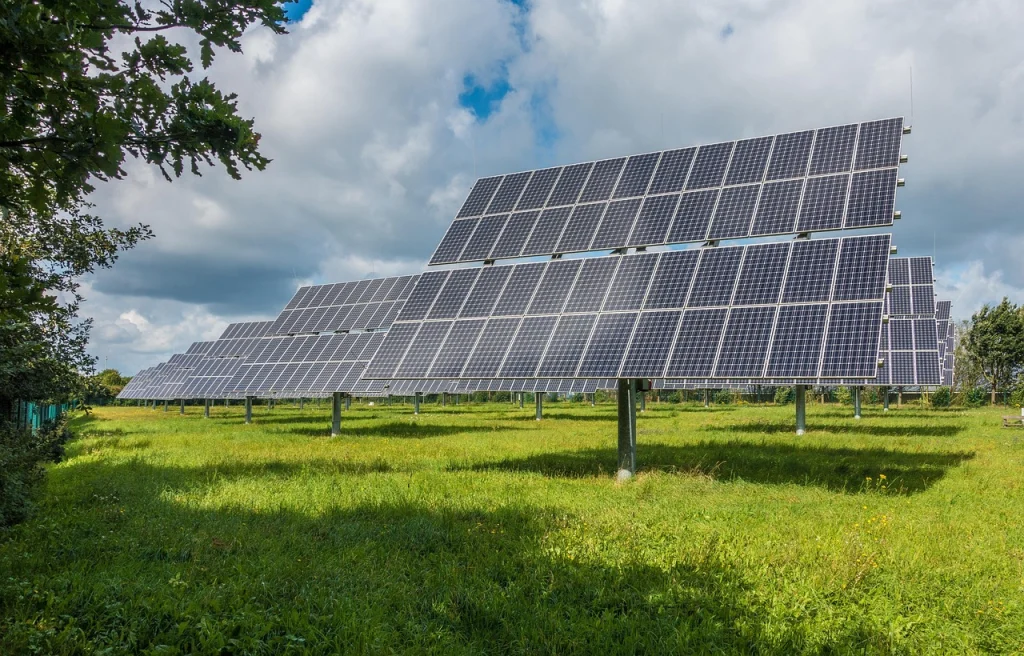
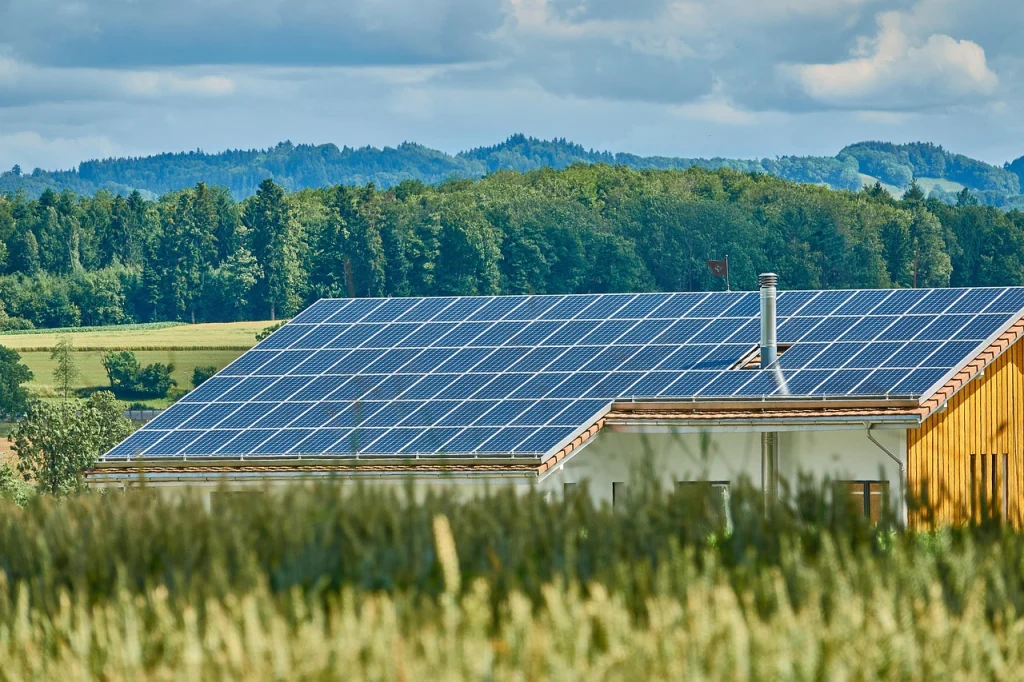
Understanding solar energy for agriculture pros and cons is essential when sizing a photovoltaic system. It determines how much energy each square meter of solar panel delivers under real-world conditions. Whether you’re planning to install solar panels on your rooftop or scaling up a commercial PV array, mastering the concept of solar panel power per square meter is the key to unlocking efficient and sustainable energy generation.
What Does “Solar Panel Power Per Square Meter” Mean?
Solar Irradiance — The Starting Point
The power hitting the Earth’s surface can reach up to 1,000 W/m² under clear midday sun اكروبول. This means every square meter of panel receives 1 kW of sunlight in ideal conditions.
Discover more about List of Solar Energy Companies in Egypt You Can Trust
Panel Efficiency — Conversion Ratio
Panel efficiency (15–23%) defines what portion of that sunlight gets turned into electricity. A panel with 18% efficiency under 1,000 W/m² would yield around 180 W/m²
Thus:
solar panel power per square meter = Efficiency × Solar Irradiance
Know more Understanding the Solar Panel Power Curve for Maximum Efficiency
Estimating Daily & Annual Energy Output
. Daily Yield Calculations
With approximately 5 peak sun‑hours per day, a panel producing 180 W/m² yields close to 0.9 kWh/m²/day .
. Annual Output in Egypt
Egypt’s high solar irradiance (~2,200–2,300 kWh/m²/year) allows a system to deliver roughly 396 kWh/m²/year for an 18% efficient panel .
Learn more about Commercial Solar Power Projects: 10 Amazing Projects
Pros of Solar Energy in Agriculture
· Environmental Benefits
- Reduction in Carbon Footprint: Solar energy is a clean and renewable resource, contributing to a reduction in greenhouse gas emissions.
- Sustainable Resource Utilization: Unlike fossil fuels, solar energy does not deplete natural resources, promoting long-term sustainability.
· Economic Advantages
- Cost Savings: Although the initial investment can be high, solar energy systems often result in significant savings on energy bills over time.
- Energy Independence: Farmers can become less reliant on external energy suppliers, reducing vulnerability to energy price fluctuations.
· Operational Efficiency
- Reliable Energy Source: Solar energy systems provide a consistent and reliable source of power, particularly in remote areas where grid electricity might be unavailable.
- Low Maintenance: Solar panels require minimal maintenance once installed, reducing ongoing operational costs.
learn more about Solar Panel Power Per Square Meter: How to Calculate Efficiency
· Enhancing Agricultural Productivity
- Improved Irrigation: Solar-powered irrigation systems can ensure a steady water supply, enhancing crop yields.
- Extended Growing Seasons: Solar energy can be used to power greenhouses, allowing farmers to extend growing seasons and increase production.
Learn more about 500W Solar Inverter: Key Features and Installation Guide
Common Applications of Solar Energy in Agriculture
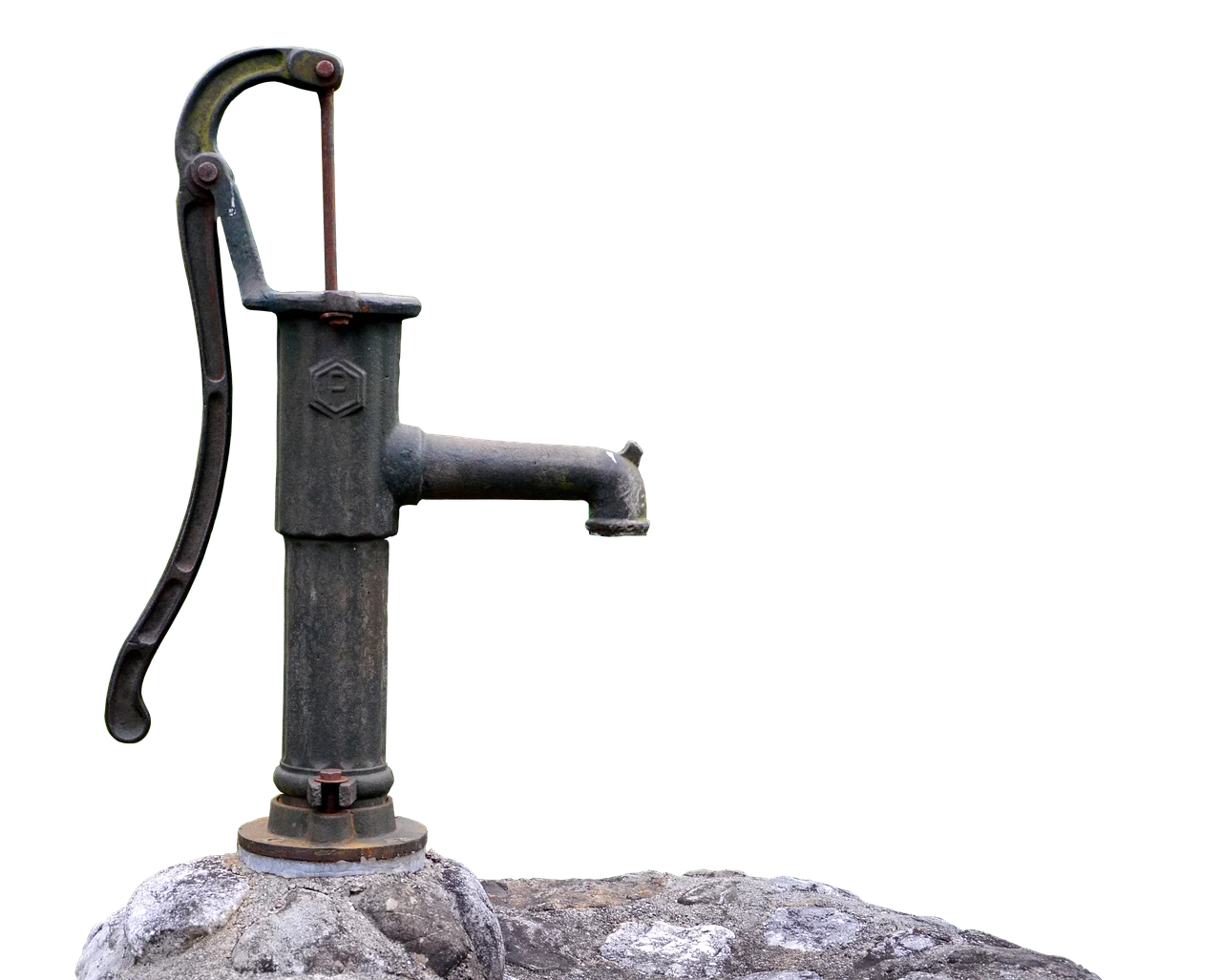
- Solar-Powered Irrigation Systems: Solar pumps can be used to draw water from wells or rivers for irrigation, reducing dependence on fossil fuels.
- Greenhouse Heating: Solar panels can provide the necessary energy to maintain optimal temperatures in greenhouses.
- Solar Dryers: These are used to dry crops, fruits, and vegetables, preserving them for longer periods.
- Solar-Powered Fencing: Solar energy can be used to power electric fences, enhancing farm security without increasing energy costs.
- Lighting and Ventilation: Solar panels can power lights and ventilation systems in barns and storage facilities.
Find out more about Commercial Solar Power Projects: 10 Amazing Projects
What Impacts Solar Panel Power Per Square Meter?
Panel Technology & Power Density
- Monocrystalline models: ~220–300 W/m²
- Polycrystalline: ~150–200 W/m²
- Thin-film: ~80–120 W/m².
- High‑end tandem/perovskite cells now exceed 400 W/m² in lab settings.
Installation Angle & Orientation
- Best orientation: face true south (in the northern hemisphere), tilt ≈ latitude ±5°, to maximize solar panel power per square meter .
- A misalignment of 15° can reduce output by ≈3% .
Temperature Effects
Panel efficiency drops about 0.4–0.5% per °C above 25°C. In hot climates like Egypt, this may reduce output by 8–12% .
Dust, Shade & Degradation
Even minimal shading (~10%) can reduce output by ~50%; dust and grit reduce yield by up to 15% if panels are not cleaned regularly .
Typical degradation rate: 0.5–1% per year
Explore Top 10 Best Solar Inverters of 2025: Reviews and Comparisons
Cons of Solar Energy in Agriculture
· Initial Investment Costs
- High Installation Costs: The initial setup cost for solar energy systems can be prohibitive for some farmers.
- Financial Barriers: Access to financing and subsidies is often necessary to offset these high initial costs, which may not be readily available to all farmers.
· Space Requirements
- Land Use: Solar panels require significant space, which could otherwise be used for crop production.
- Aesthetic Concerns: The visual impact of large solar installations can be a concern for some communities and stakeholders.
· Variability and Reliability
- Weather Dependency: Solar energy production is dependent on sunlight, making it less reliable during cloudy or rainy periods.
- Energy Storage: Effective storage solutions are necessary to ensure a consistent energy supply, which can add to the overall costs.
· Technical Challenges
- Maintenance and Repairs: While generally low, maintenance needs can arise, requiring technical expertise that might not be readily available in rural areas.
- Technological Advancements: Rapid advancements in solar technology can make existing systems obsolete, potentially necessitating frequent updates or replacements.
Find out more about Repair Solar Hot Water Heater: A Step-by-Step Guide
Case Studies and Practical Examples
· Successful Implementations
- Case Study: Solar-Powered Farms in India: Many farms in India have successfully integrated solar-powered irrigation systems, resulting in increased productivity and reduced energy costs.
- Example: Greenhouses in the Netherlands: Solar energy is used extensively in Dutch greenhouses, providing a sustainable solution for heating and lighting.
· Lessons Learned
- Adapting to Local Conditions: Successful solar energy integration requires adapting systems to local weather patterns and agricultural needs.
- Community Engagement: Involving local communities in planning and implementation can enhance acceptance and success rates.
Discover more about Solar Panel Price Egypt: Understanding Costs and Quality
Future Prospects of Solar Energy in Agriculture
· Technological Innovations
- Advancements in Solar Panels: Continued improvements in solar panel efficiency and durability will make solar energy more accessible and cost-effective for farmers.
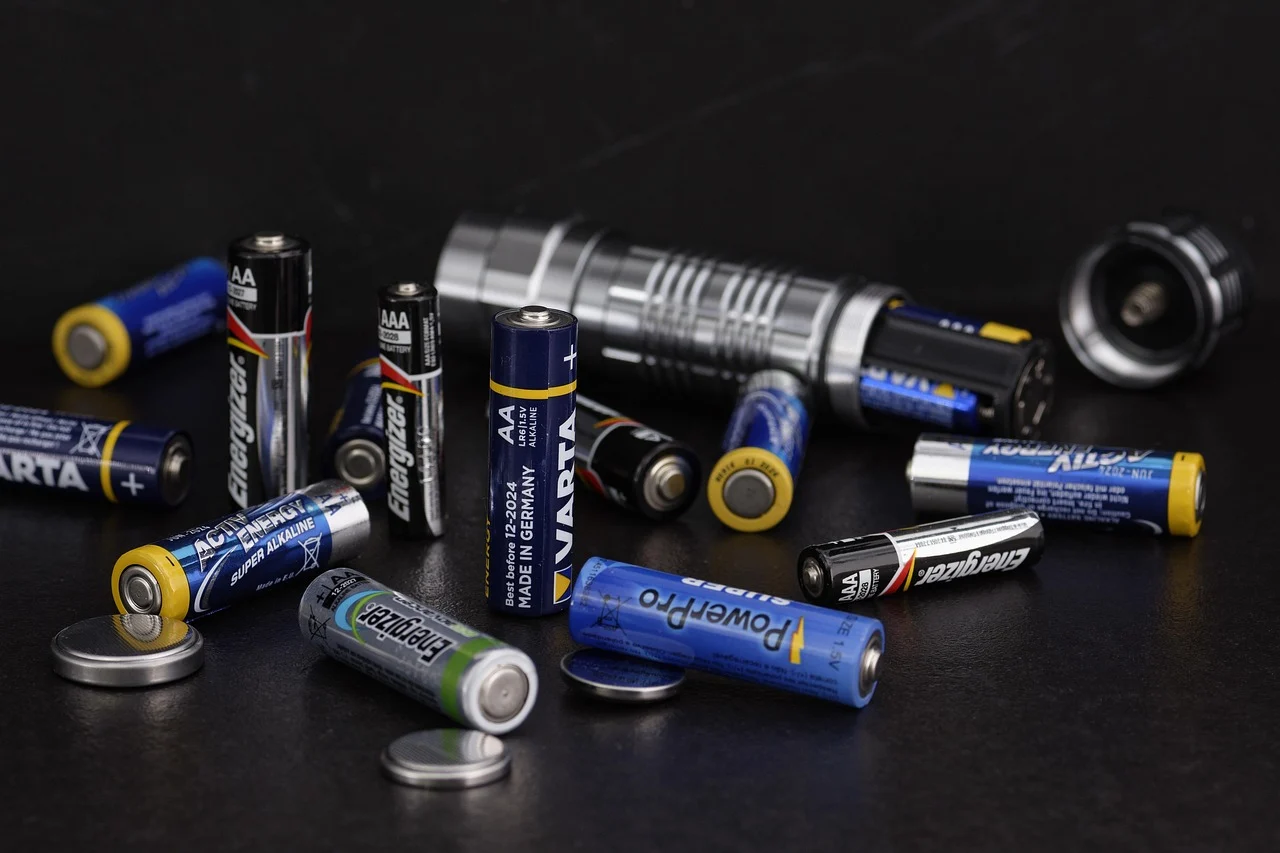
- Energy Storage Solutions: Innovations in battery technology will enhance the reliability of solar energy systems, addressing issues of variability and storage.
· Policy and Support
- Government Incentives: Increased government support and incentives can help offset the initial costs and encourage wider adoption of solar energy in agriculture.
- International Cooperation: Sharing best practices and technologies across borders can accelerate the adoption of solar energy in agriculture worldwide.
Discover more about Solar Panels in Egypt: Benefits, Costs, and Installation Tips
In Conclusion: Balancing Pros and Cons
The integration of solar energy into agriculture offers numerous benefits, from environmental sustainability to economic savings. However, it also presents challenges that need to be carefully considered and addressed. By weighing the pros and cons, farmers and stakeholders can make informed decisions that align with their specific needs and circumstances.
As technology continues to evolve, the prospects for solar energy in agriculture are increasingly promising. By embracing this renewable energy source, the agricultural sector can contribute to a more sustainable future while enhancing productivity and efficiency.
Explore Solar Solutions with Acropol
At Acropol, we are committed to providing cutting-edge solar solutions for agriculture. Whether you are looking to install solar-powered irrigation systems, greenhouse heating, or other renewable energy solutions, we have the expertise and products to meet your needs. Contact us today to learn more about how solar energy can transform your agricultural practices and contribute to a more sustainable future.