How much does a solar panel cost in Egypt? There is no single fixed market price that is reliable for every buyer or every date. The cost depends on the exact panel model, rated wattage, technology, availability, warranty terms, order quantity, and whether the quotation is for the panel only or for a complete installed solar system.
For a useful comparison, calculate price per watt: panel price ÷ rated panel wattage. Then compare the exact model, datasheet, dimensions, warranty, and system compatibility before choosing the lower-priced option.
If you are comparing products rather than prices alone, see Solar Panels in Egypt. If you are ready to request a project quotation, contact Acropol with your load, operating hours, installation area, and backup requirements.
Solar panel price in Egypt: what are you actually paying for?
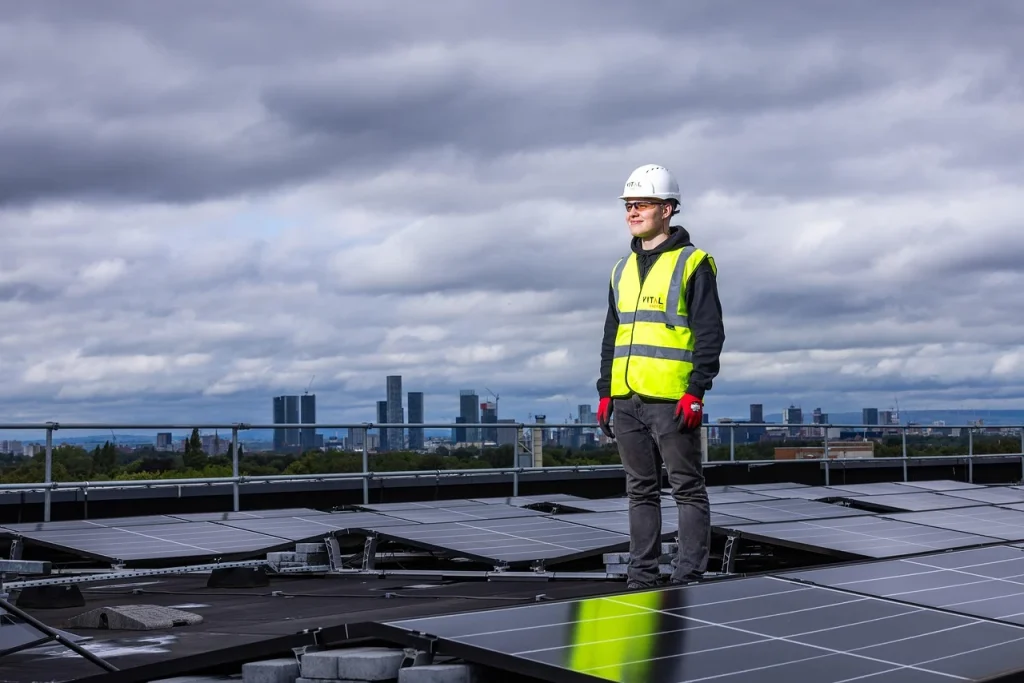
A panel-only price covers one component. A complete solar system can also include the inverter, mounting structure, electrical protection, cabling, monitoring, installation, testing, and batteries if storage is required. Two quotations can therefore have very different totals while covering very different scopes.
How to compare solar panel prices per watt
Use the formula panel price ÷ rated wattage = price per watt. It helps compare modules with different power ratings on a common basis, but it should not be used alone. Check the exact model, electrical limits, dimensions, temperature data, warranty terms, and compatibility with the inverter and site design.
What affects solar panel prices in Egypt?
- Rated wattage: higher-wattage modules can change the number of panels required for the target system size.
- Module technology: different cell and module designs have different cost and performance characteristics.
- Manufacturer and exact model: compare model-specific documentation, not brand name alone.
- Warranty terms: review the written manufacturer or supplier terms and exclusions.
- Availability and order quantity: supply conditions and project size can change a quotation.
- Delivery and installation scope: transport, mounting, protection, cabling, labor, and testing may be priced separately.
Panel price vs complete solar system price
The panel price is not the total project cost. A complete photovoltaic system may include panels, inverter, mounting, cables, protection, monitoring, engineering, installation, testing, and batteries when storage is required.
Do you need batteries?
Not every solar installation needs battery storage. The decision depends on the system type, operating hours, backup requirements, and how the site uses electricity. A quotation with batteries should be evaluated separately from a system without storage because the design and total cost are different.
How many panels do you need?
Do not choose the panel count from the electricity bill amount alone. Start with actual energy use, simultaneous loads, operating hours, available installation area, shading, and the objective of the system. The final panel count also depends on the selected module wattage and inverter design.
Example: how to calculate solar panel price per watt
Suppose a supplier quotes EGP 3,000 for a 600 W panel. The illustrative price per watt is 3,000 ÷ 600 = EGP 5/W. A different example of EGP 2,750 for a 550 W panel also works out to EGP 5/W. These figures are mathematical examples, not current Acropol prices or supplier quotations. Always request a dated price for the exact model and compare warranty, dimensions, electrical specifications and delivery terms as well as price per watt.
What should a good solar quotation include?
- Panel manufacturer and exact model.
- Rated wattage and number of modules.
- Unit price and total panel price.
- Inverter manufacturer, model, and role in the system.
- Mounting structure and major protection components.
- Cabling, installation, testing, and commissioning scope.
- Battery specifications if storage is included.
- Written warranty terms and exclusions.
- Quotation date and validity period.
Why the cheapest solar panel is not always the lowest-cost option
A lower purchase price may look attractive, but the module still needs to fit the electrical and physical design. A panel that does not match the inverter limits, roof dimensions, or mounting layout can create extra cost or redesign work later.
How to compare two solar offers
First make sure both offers cover the same system size and the same scope. Then compare panel model, inverter, batteries if any, protection, mounting, installation, warranty, and after-sales scope. A lower total may simply exclude work or components included in the other proposal.
Quick answers
How much does a solar panel cost?
The price depends on the exact model, wattage, technology, availability, and supplier terms. Use a current dated quotation rather than an old generic market figure.
What is the solar panel price per watt in Egypt?
Divide the current panel price by its rated wattage. Use that result as one comparison metric, then check specifications and warranty.
Are solar panels the same as the full solar system cost?
No. The complete system can also include the inverter, mounting, electrical protection, cables, installation, testing, monitoring, and batteries.
How can I get an accurate system price?
Prepare your load information, operating hours, site location, installation area, and whether backup power is required. Then request a quotation based on those inputs instead of a generic panel price.
Next step: compare the technical criteria in Solar Panels in Egypt, then contact Acropol when you have the site and load data needed for a project-specific quotation.