Egypt is entering a new phase in its energy transition. Rising electricity demand, abundant solar resources, expanding private-sector participation, and the growing need to control operating costs are making investing in solar energy increasingly attractive for households, businesses, factories, farms, and large-scale energy developers.
The shift is not simply driven by environmental concerns. For many Egyptian investors and businesses, investing in solar energy has become an economic decision. A properly designed photovoltaic system can reduce electricity purchases from the grid, provide greater control over long-term energy costs, and create an asset capable of producing electricity for decades.
The scale of Egypt’s renewable-energy expansion also demonstrates how quickly the market is developing. The government’s 2025/2026 plan targets EGP 136.3 billion in investments in the electricity and renewable-energy sector, while the country is targeting a much larger role for renewable energy in its electricity mix. The same plan targets around 6,470 MW of solar and wind capacity and increased private-sector participation in renewable-energy projects.
At the same time, major international investors are increasing their presence. In June 2026, Norway’s Scatec announced plans to invest up to $5 billion in Egypt over the following two years across renewable energy, battery storage, green infrastructure, and related projects.
For consumers considering investing in solar energy, these developments are important because they indicate that solar power is moving from a niche technology to a significant part of Egypt’s future energy infrastructure.
This guide examines the reasons behind this growth, the economics of solar investment, the technologies available in 2026, the opportunities for businesses and homeowners, and how to select the right solar-energy partner.
What Does Investing in Solar Energy Mean?
Investing in solar energy means allocating capital toward equipment and infrastructure that uses sunlight to produce usable electricity or heat.
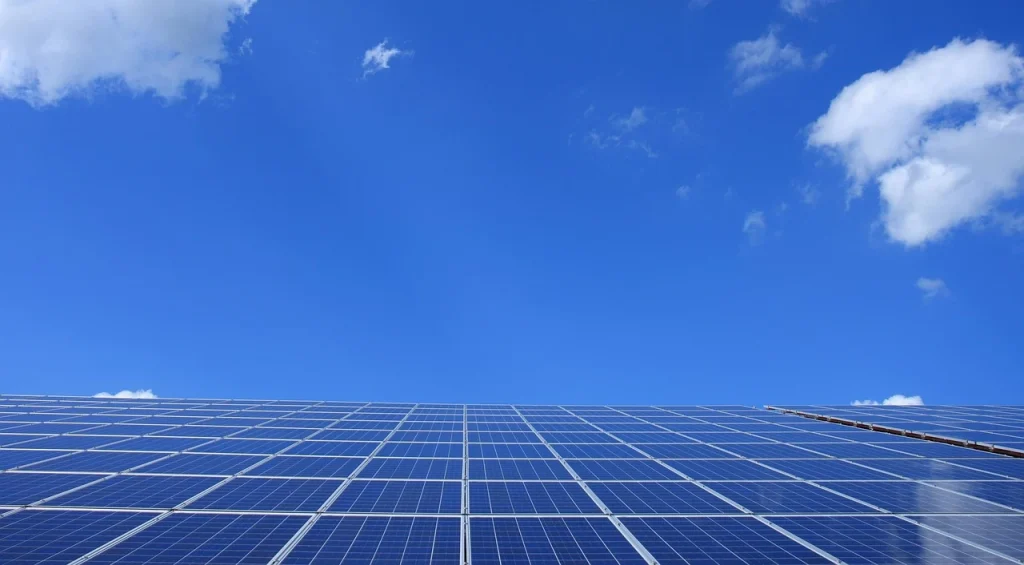
For electricity generation, the most common technology is solar photovoltaic, or PV. Solar panels convert sunlight into direct-current electricity, which is then converted by an inverter into alternating-current electricity suitable for buildings and electrical equipment.
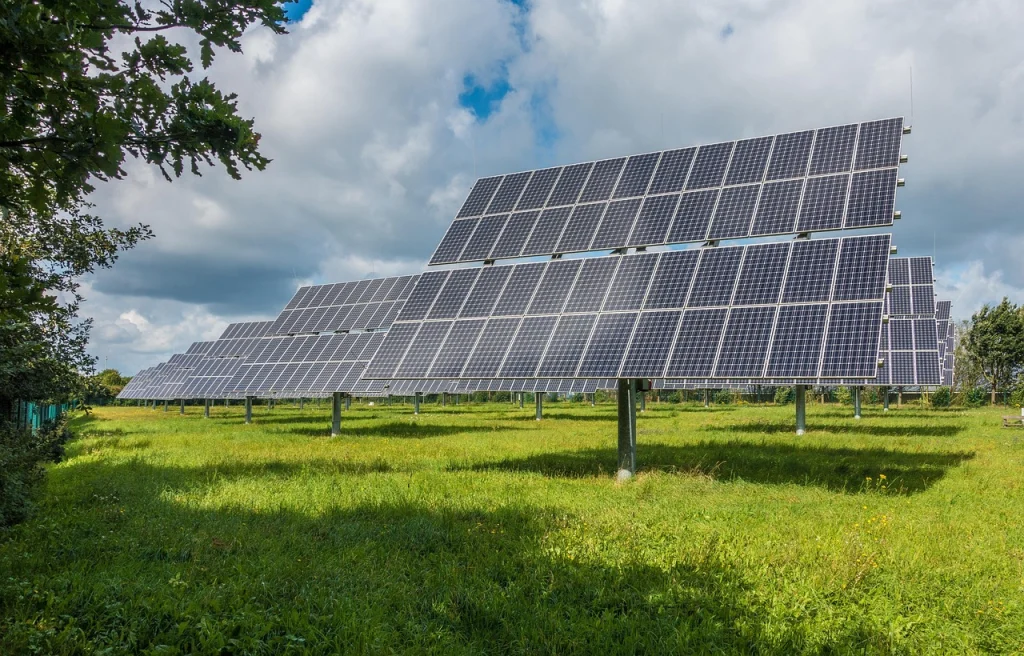
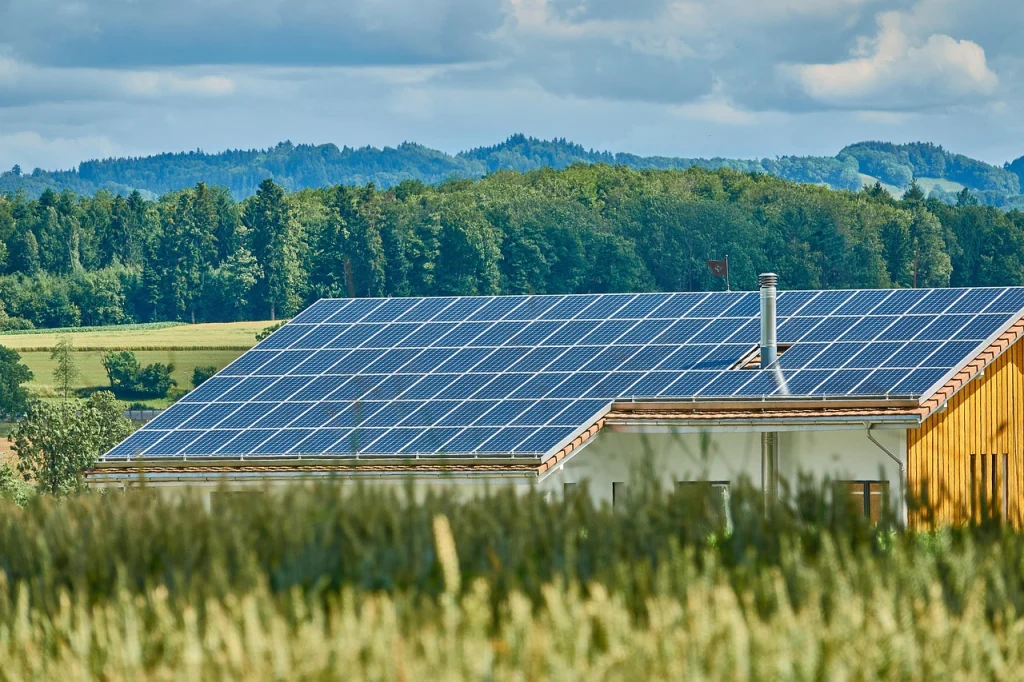
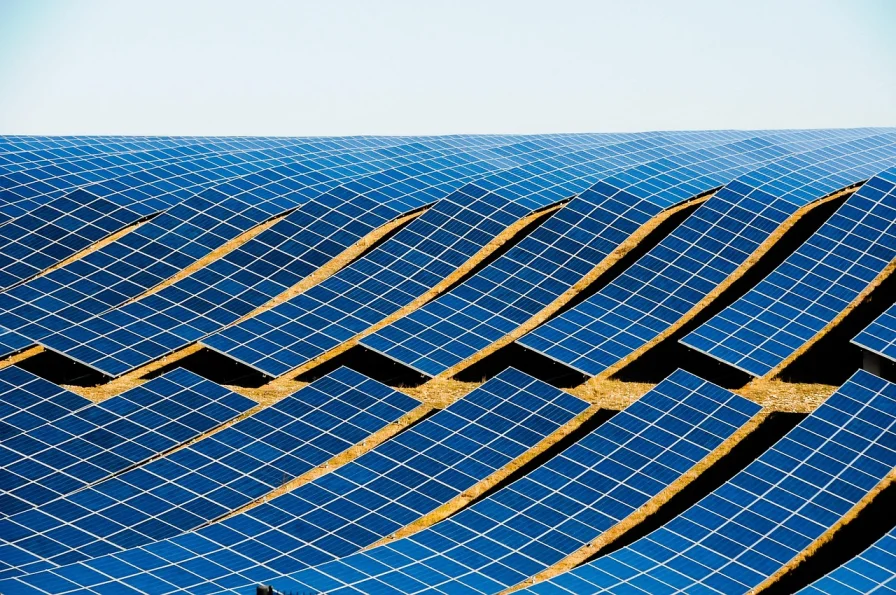
A solar investment can range from a small rooftop system for a villa to a multi-megawatt installation serving a factory or industrial facility.
Typical components include:
- Solar photovoltaic panels
- Solar inverters
- Mounting structures
- Electrical protection equipment
- Monitoring systems
- Batteries where energy storage is required
- Cabling and electrical infrastructure
The exact configuration depends on electricity consumption, available installation area, operating hours, grid connection, and the desired level of energy independence.
Understand more about Struggling to Pick the Best Type of Solar Panel? Read This
Why Is Investing in Solar Energy Growing in Egypt?

1. Egypt Has Exceptional Solar Resources
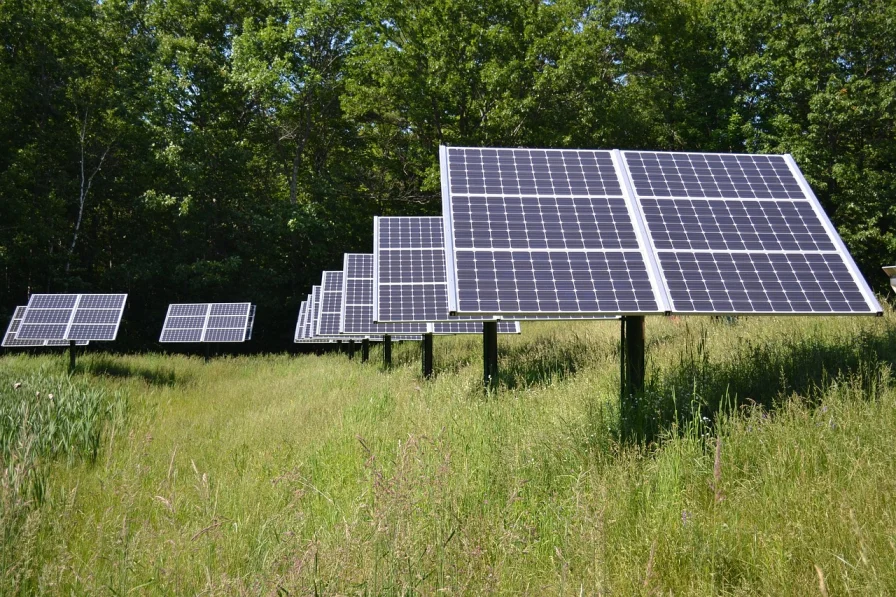
One of Egypt’s biggest advantages is its geographic position.
Large areas of the country receive high levels of solar irradiation throughout the year, particularly in desert regions. Egypt’s Western Desert alone has been described by the Egyptian Investment and Foreign Trade Ministry as having potential for approximately 700–900 GW of solar generation.
This creates an important foundation for investing in solar energy.
A strong solar resource means that properly designed photovoltaic systems can generate substantial amounts of electricity without requiring fuel during operation.
2. Electricity Demand Continues to Increase

Egypt’s electricity demand is closely connected to population growth, industrial activity, commercial development, cooling requirements, and expanding infrastructure.
In February 2026, Egypt’s electricity authorities expected summer demand to increase by approximately 6–7% and planned to add 3,000 MW of solar capacity during the year, alongside additional battery-storage capacity.
This growing demand creates opportunities for both utility-scale renewable projects and distributed solar systems.
For commercial and industrial users, investing in solar energy can therefore serve two purposes: reducing energy costs and strengthening energy security.
Get to know more about Struggling with Low Output? Best Performing Solar PV Panels Help
The Economic Case for Investing in Solar Energy
Lower Electricity Costs
The most immediate financial benefit of a solar PV system is the ability to generate electricity on-site.
Instead of purchasing all electricity from the grid, a property owner can use solar generation to cover part of its daytime consumption.
The financial impact depends on:
- Electricity consumption
- Solar-system capacity
- Electricity tariffs
- Solar irradiation
- System performance
- Financing costs
- Maintenance expenses
This is why the correct approach is not simply to ask, “How much does a solar system cost?”
A better question is:
Full details about Struggling With Blackouts? Find the Best Solar Generator
How much electricity will the system generate, what portion of my consumption will it cover, and what will the total return look like over its operating life?
Protection Against Energy Price Increases
Traditional energy costs can change over time.
A solar system, once installed, does not require fuel to generate electricity. This provides a degree of cost predictability that can be particularly valuable for businesses with high electricity consumption.
For factories, hotels, commercial buildings, farms, and other energy-intensive facilities, this predictability can improve long-term financial planning.
Long Operating Life
Modern photovoltaic modules are designed for long-term operation, with many products carrying performance warranties extending to 25 years or more.
This means investing in solar energy should be evaluated as a long-term infrastructure investment rather than a short-term purchase.
The initial capital expenditure is only one part of the financial equation. Energy savings accumulated over years can be considerably more important.
Discover more about How Harnessing Solar Energy Can Reduce Electricity Costs and Boost Efficiency
Solar Energy Investment Opportunities in Egypt
Residential Solar Systems
Homeowners can install rooftop PV systems to reduce electricity consumption from the grid.
A residential system can be designed according to:
- Monthly electricity consumption
- Roof area
- Available solar exposure
- Household operating patterns
- Desired backup capability
Battery storage can be added when nighttime energy use or backup requirements justify the additional investment.
Commercial Solar Systems
Commercial buildings often have substantial daytime electricity consumption, making them particularly suitable for photovoltaic generation.
Examples include:
- Offices
- Hotels
- Shopping centers
- Restaurants
- Schools
- Medical facilities
- Warehouses
For these users, investing in solar energy can directly connect energy production with daytime operating requirements.
Industrial Solar Systems
Factories can represent some of the most attractive applications for solar power because electricity can represent a significant operating expense.
A case study of an industrial facility in Egypt found that photovoltaic generation could be economically feasible under several scenarios, with one scenario producing an estimated levelized cost of electricity of approximately $0.022/kWh and another producing a positive net present value of more than $476,000. The study concluded that PV systems could be a feasible investment for Egyptian industrial facilities.
Actual financial results will vary significantly between projects, so each installation requires its own technical and financial assessment.
Agricultural Solar Projects
Agriculture is another important opportunity.
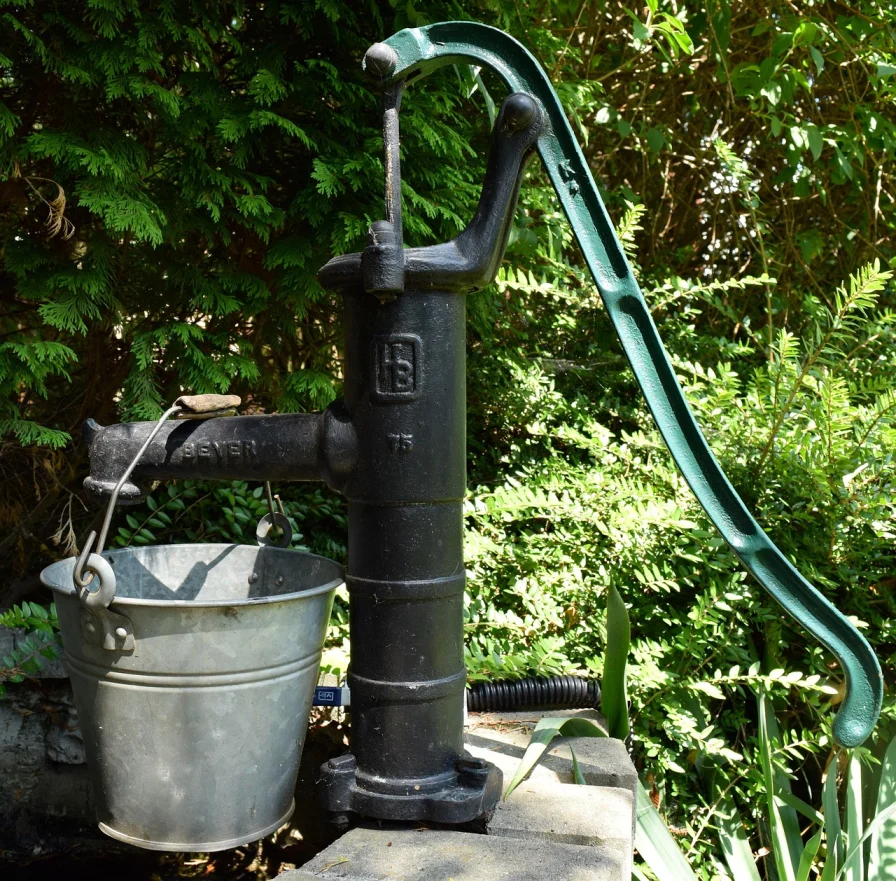
Solar-powered water pumps can replace or supplement conventional electricity or fuel-powered pumping systems.
This is particularly useful for:
- Farms
- Irrigation systems
- Agricultural wells
- Remote agricultural projects
- Desert reclamation projects
Acropol provides solar-powered water-pumping solutions for agricultural and domestic applications.
Discover more about How Harnessing Solar Energy Can Reduce Electricity Costs and Boost Efficiency
The Role of Battery Storage
Solar panels generate electricity primarily during daylight hours, while many buildings also consume electricity after sunset.
Battery energy storage helps bridge this gap.
Why Add Batteries?
Battery storage can provide:
- Nighttime electricity
- Backup during outages
- Better utilization of solar generation
- Greater energy independence
- Improved energy-management flexibility
Egypt is also increasing its investment in large-scale battery storage. The first phase of the Obelisk solar project, for example, includes 200 MW of battery storage alongside 500 MW of solar capacity in its first phase.
For smaller installations, battery sizing should be based on actual load requirements rather than simply maximizing storage capacity.
Government Policy and the Solar Investment Environment
Egypt’s renewable-energy market has been supported by a range of policies and investment mechanisms.
The New and Renewable Energy Authority identifies several frameworks for private participation, including EPC projects, Build-Own-Operate projects, auctions, independent power producers, and net-metering arrangements for grid-connected solar PV projects within the applicable limits.
The regulatory environment continues to evolve as Egypt expands renewable generation and seeks greater private-sector participation.
The IMF also reported that Egypt introduced private-to-private renewable electricity trading through the national grid in 2025, while several solar and wind projects were approved to sell electricity directly to industrial off-takers.
These developments are particularly relevant to commercial and industrial investors.
Egypt’s Growing Solar Market in 2026
Market forecasts indicate that Egypt’s solar sector is entering a period of rapid expansion.
Mordor Intelligence estimates that Egypt’s solar-energy market could grow from approximately 4.28 GW in 2026 to 10.28 GW by 2031, representing a projected compound annual growth rate of 19.18%.
Beyond market forecasts, actual investment activity provides additional evidence.
In 2025, financing agreements were signed for the 1 GW Obelisk solar project with 200 MWh of battery storage and total investment of approximately $600 million.
In July 2026, the African Development Bank approved financing of up to $66 million for the first phase of the 500 MW Dandara solar project, which includes a 100 MWh battery-storage system. The total project cost is estimated at more than $290 million.
These projects demonstrate that investing in solar energy is attracting both government support and international development finance.
What Makes a Solar Investment Successful?
Proper System Design
A high-quality solar panel cannot compensate for an incorrectly designed system.
Professional design should consider:
- Historical electricity consumption
- Peak loads
- Roof orientation
- Shading
- Available installation area
- Solar irradiation
- Inverter capacity
- Electrical protection
- Future energy requirements
The objective is to achieve the right balance between generation, system cost, reliability, and financial return.
Choosing High-Quality Solar Panels
Panel quality affects energy yield, durability, degradation, and long-term system performance.
Acropol provides solar solutions using internationally recognized manufacturers including JA Solar and Jinko Solar.
Jinko Solar’s advanced N-type modules, for example, are designed for high energy yield, durability, and long-term performance, while JA Solar is also positioned as a premium module option. Acropol provides both brands for residential, commercial, and larger solar applications.
Choosing a reputable manufacturer can therefore be an important part of investing in solar energy responsibly.
JA Solar and Jinko Solar: Why They Matter
JA Solar
JA Solar modules are widely used in residential, commercial, and utility-scale PV systems.
Key considerations when evaluating JA Solar modules include:
- Module efficiency
- Temperature performance
- Product warranty
- Performance warranty
- Degradation rate
- Project compatibility
Jinko Solar
Jinko Solar is another major global PV manufacturer.
Its advanced N-type technologies are designed to provide high energy output and strong long-term performance. Acropol supplies Jinko Solar alongside JA Solar for customers in Egypt.
The best choice between specific module models should be based on the technical requirements of the project rather than brand name alone.
How to Calculate the Return on Solar Investment
A professional feasibility study should examine several financial indicators.
Payback Period
The payback period estimates how long it takes for energy savings to recover the initial investment.
For example, if a system costs $20,000 and generates $4,000 in annual net savings:
Estimated simple payback = $20,000 ÷ $4,000 = 5 years
This is only a simplified example. Real projects should include financing, degradation, maintenance, electricity-price changes, downtime, and other factors.
Net Present Value
NPV accounts for the time value of money and is particularly useful for commercial and industrial investments.
A positive NPV generally indicates that the investment creates value under the assumptions used in the financial model.
Levelized Cost of Electricity
LCOE estimates the average cost of electricity generated over the system’s lifetime.
Comparing solar LCOE with the relevant electricity cost can provide a clearer picture of long-term economics.
Is Investing in Solar Energy Better Than Buying Electricity?
For many users, the answer depends on the specific project.
Solar power becomes particularly attractive when:
- Electricity consumption is high.
- Daytime consumption is substantial.
- The property has suitable roof or land area.
- Solar irradiation is favorable.
- The system is professionally designed.
- Financing costs are reasonable.
- The expected operating life is long.
For an industrial facility, commercial building, or farm with predictable electricity consumption, investing in solar energy can be significantly more compelling than relying entirely on purchased electricity.
Beyond Electricity: Acropol’s Integrated Energy Solutions
Solar electricity is only one part of a property’s total energy consumption.
Acropol provides integrated solutions designed to address electricity, hot water, heating, and water pumping requirements.
Solar Water Heaters
Acropol supplies Dimas solar water-heating solutions designed to reduce the electricity required for water heating. The company’s solar-water-heater portfolio is part of its broader renewable-energy offering.
Ariston Gas Water Heaters
Gas water heaters can provide an efficient complementary solution for domestic and commercial hot-water requirements.
Underfloor Heating
Underfloor heating distributes warmth through the floor and can provide comfortable, evenly distributed heating.
Wall Heating
Wall-heating systems can be integrated into buildings where underfloor heating is not appropriate.
Swimming Pool Heating
Solar and energy-efficient heating solutions can help extend swimming-pool usage while controlling energy costs.
Boilers
Efficient boiler systems can form part of an integrated heating solution for residential and commercial properties.
Solar Water Pumps
Solar-powered pumps provide an alternative for agricultural and domestic water applications, particularly where reliable electricity access is limited.
By combining these technologies, property owners can approach investing in solar energy as part of a broader strategy for reducing total energy expenditure.
Why Choose Acropol for Investing in Solar Energy in Egypt?
Choosing the installer is just as important as choosing the equipment.
Acropol has operated in the Egyptian market since 2006 and states that it has installed more than 20,000 solar water heaters and served more than 5,000 customers inside and outside Egypt. Its services include solar power systems, solar water heaters, solar water pumps, installation, maintenance, and integrated heating solutions.
Acropol’s solar portfolio includes:
- JA Solar panels
- Jinko Solar panels
- Solar PV systems
- Dimas solar water heaters
- Solar-powered water pumps
- Ariston gas heaters
- Boilers
- Underfloor heating
- Wall heating
- Swimming-pool heating
The company also provides engineering design, installation, monitoring, maintenance, and after-sales support.
This integrated approach is valuable because a solar project should not be treated as a collection of unrelated components. Panel selection, inverter sizing, electrical protection, mounting, installation, and maintenance all affect the final investment outcome.
Common Mistakes When Investing in Solar Energy
Choosing Based Only on Price
The cheapest quotation is not necessarily the most economical investment.
A lower upfront price can result from lower-quality equipment, insufficient protection, poor installation, or inadequate engineering.
Oversizing the System Without a Consumption Study
A larger system is not automatically a better investment.
The system should be sized according to actual electricity consumption and the desired energy strategy.
Ignoring the Inverter
The inverter is one of the most important components in a PV system and should be selected according to the electrical characteristics and operating conditions of the project.
Neglecting Maintenance
Although solar systems require relatively little maintenance, periodic inspection and cleaning remain important for maintaining performance.
Ignoring Future Energy Demand
If electricity consumption is expected to increase, the initial design should consider future expansion where technically and economically practical.
The Future of Investing in Solar Energy in Egypt
The outlook for solar investment remains strong.
Egypt’s government has stated ambitious renewable-energy targets, while private investors and international financial institutions continue to support major solar and storage projects.
In May 2026, Egypt’s leadership reviewed plans to increase the share of clean energy and stated a target of reaching 45% clean energy by 2028.
The country is also strengthening the electricity grid to accommodate additional renewable generation. In June 2026, the European Union and Egypt announced a financing package of up to €690 million to modernize and expand the national electricity network and facilitate greater integration of solar and wind power.
At the investment level, Scatec’s planned expansion and new solar-plus-storage projects demonstrate that international capital continues to view Egypt as a significant renewable-energy market.
For businesses and property owners, this means the solar market is likely to become increasingly sophisticated, with greater emphasis on storage, energy management, distributed generation, private power transactions, and high-efficiency PV technologies.
Frequently Asked Questions
Is investing in solar energy profitable in Egypt?
It can be highly attractive, particularly for properties with substantial electricity consumption and suitable solar exposure. Profitability depends on system cost, electricity tariffs, solar production, financing, maintenance, and the project’s operating profile.
How long do solar panels last?
Modern photovoltaic panels are generally designed for decades of operation, with many manufacturers providing performance warranties of 25 years or more.
Are solar batteries necessary?
Not always. Grid-connected systems can operate without batteries. Batteries become more important when backup power, nighttime solar consumption, or greater energy independence is required.
Are JA Solar and Jinko Solar suitable for Egypt?
Both are internationally established PV manufacturers and are used in residential, commercial, and utility-scale applications. The appropriate model should be selected according to the project’s technical requirements.
Is solar energy suitable for factories?
Yes. Industrial facilities can be strong candidates because of their high electricity consumption. A detailed feasibility study should determine the optimal system capacity and financial structure.
Can solar energy be combined with heating systems?
Yes. Solar electricity can be combined with solar water heating, boilers, underfloor heating, wall heating, and swimming-pool heating as part of a broader energy-efficiency strategy.
Conclusion
The growth of investing in solar energy in Egypt is being driven by a combination of strong solar resources, increasing electricity demand, rising interest in energy independence, government renewable-energy targets, private-sector participation, and growing international financing.
The market is no longer limited to massive solar farms. Residential rooftops, factories, commercial buildings, hotels, farms, and other facilities can all benefit from appropriately designed solar systems.
However, the success of any investment depends on more than installing solar panels. The system must be correctly sized, technically engineered, professionally installed, properly monitored, and maintained throughout its operating life.
For Egyptian property owners and businesses, investing in solar energy can therefore represent both an energy strategy and a long-term financial decision.
Acropol provides a complete range of renewable-energy and energy-efficiency solutions, including JA Solar and Jinko Solar photovoltaic systems, Dimas solar water heaters, Ariston gas water heaters, boilers, underfloor and wall heating, swimming-pool heating, and solar-powered water pumps.
Invest in Solar Energy with Acropol
If you are considering investing in solar energy for your home, factory, farm, hotel, or commercial property, the first step should be a professional assessment of your electricity consumption and site conditions.
Acropol can help you move from the initial idea to a complete operating system through:
- Energy-consumption assessment
- Solar-system engineering and design
- JA Solar and Jinko Solar panels
- Professional installation
- Solar water-heating solutions from Dimas
- Ariston gas water heaters
- Boilers
- Underfloor and wall heating
- Swimming-pool heating
- Solar water pumps
- Maintenance and after-sales support
Do not evaluate solar investment based on the purchase price alone. Evaluate the complete financial picture: energy production, savings, system lifetime, maintenance, reliability, and return on investment.
Contact Acropol today to request a professional solar assessment and discover how investing in solar energy can reduce your energy costs and create long-term value for your property.
Acropol has been active in Egypt’s solar-energy market since 2006 and provides integrated renewable-energy solutions for residential, commercial, and industrial customers.
📞 Contact Us | ✉️ Send Your Inquiry | 🌐 Visit Our Website