How Harnessing Solar Energy Can Reduce Electricity Costs and Boost Efficiency
Electricity costs have become an increasingly important concern for homeowners, businesses, farms, factories, and commercial facilities. At the same time, Egypt has one of the most favorable solar resources in the region. According to the Egyptian State Information Service, Egypt receives approximately 2,000–3,000 kWh/m² of direct solar radiation annually, placing the country among the regions with strong potential for harnessing solar energy.

This combination creates an important opportunity: instead of depending entirely on conventional electricity, property owners can use solar power to generate part of the electricity they consume and reduce their dependence on the grid.

But installing solar panels is not simply about placing panels on a roof. The real value comes from designing an integrated system that matches the property’s electricity consumption, available installation area, operating schedule, and future energy requirements.

This guide explains how Harnessing Solar Energy can reduce electricity costs, improve energy efficiency, and create a stronger long-term investment, with a particular focus on solutions suitable for the Egyptian market.

What Does Harnessing Solar Energy Mean?

Harnessing Solar Energy means capturing the energy provided by sunlight and converting it into a useful form.

There are two major approaches:

Solar Photovoltaic Systems

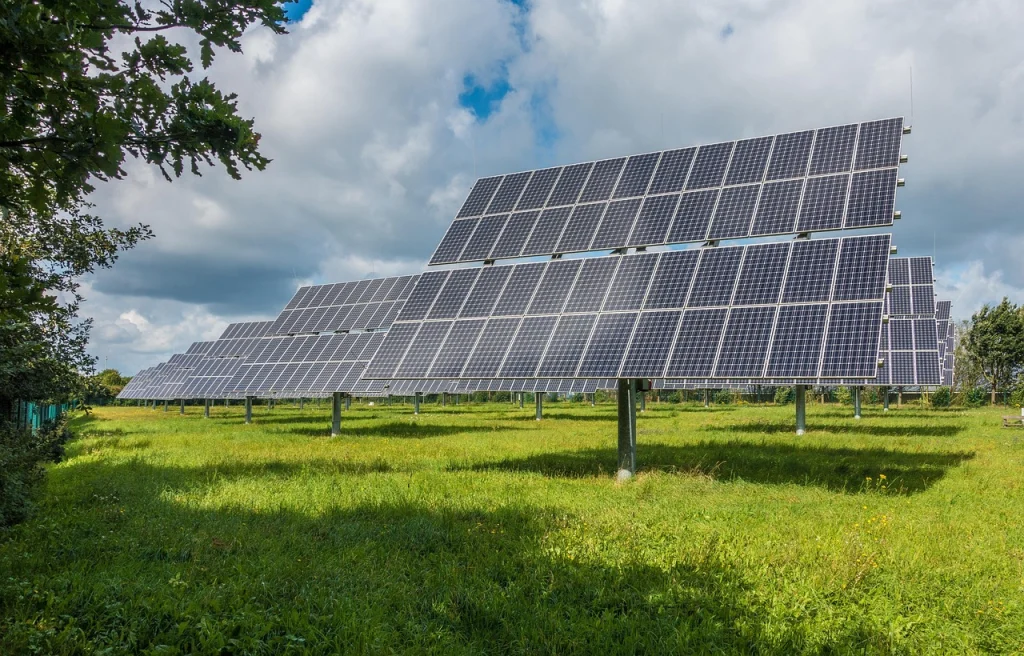
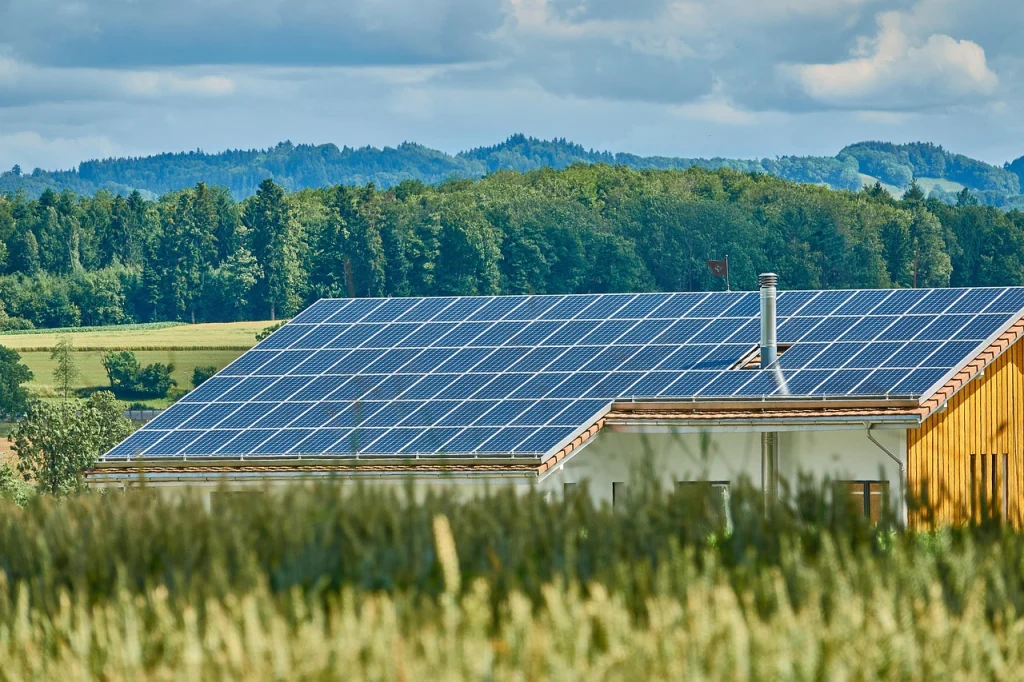
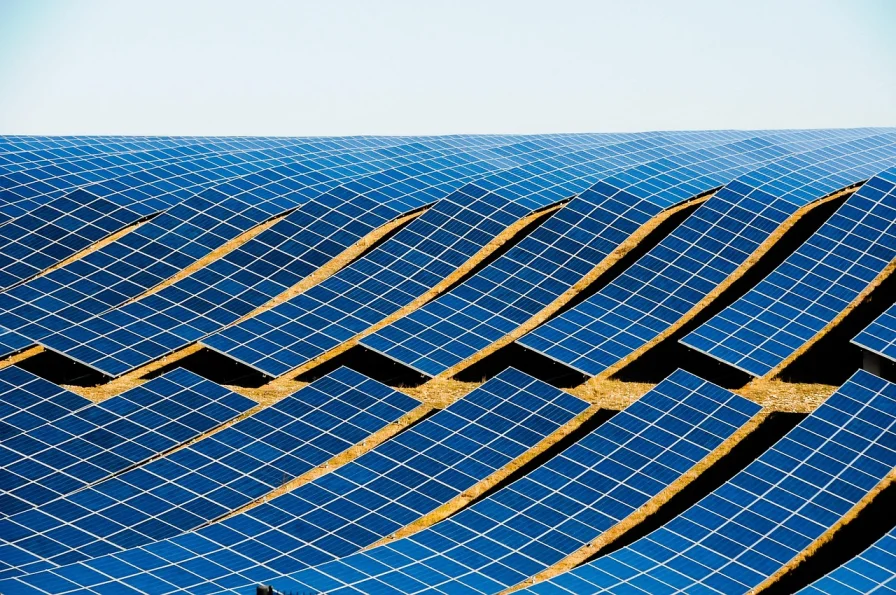
Photovoltaic, or PV, systems use solar panels to convert sunlight directly into electricity.

A typical system includes:

  • Solar panels
  • Solar inverter
  • Mounting structures
  • DC and AC cables
  • Protection equipment
  • Monitoring equipment
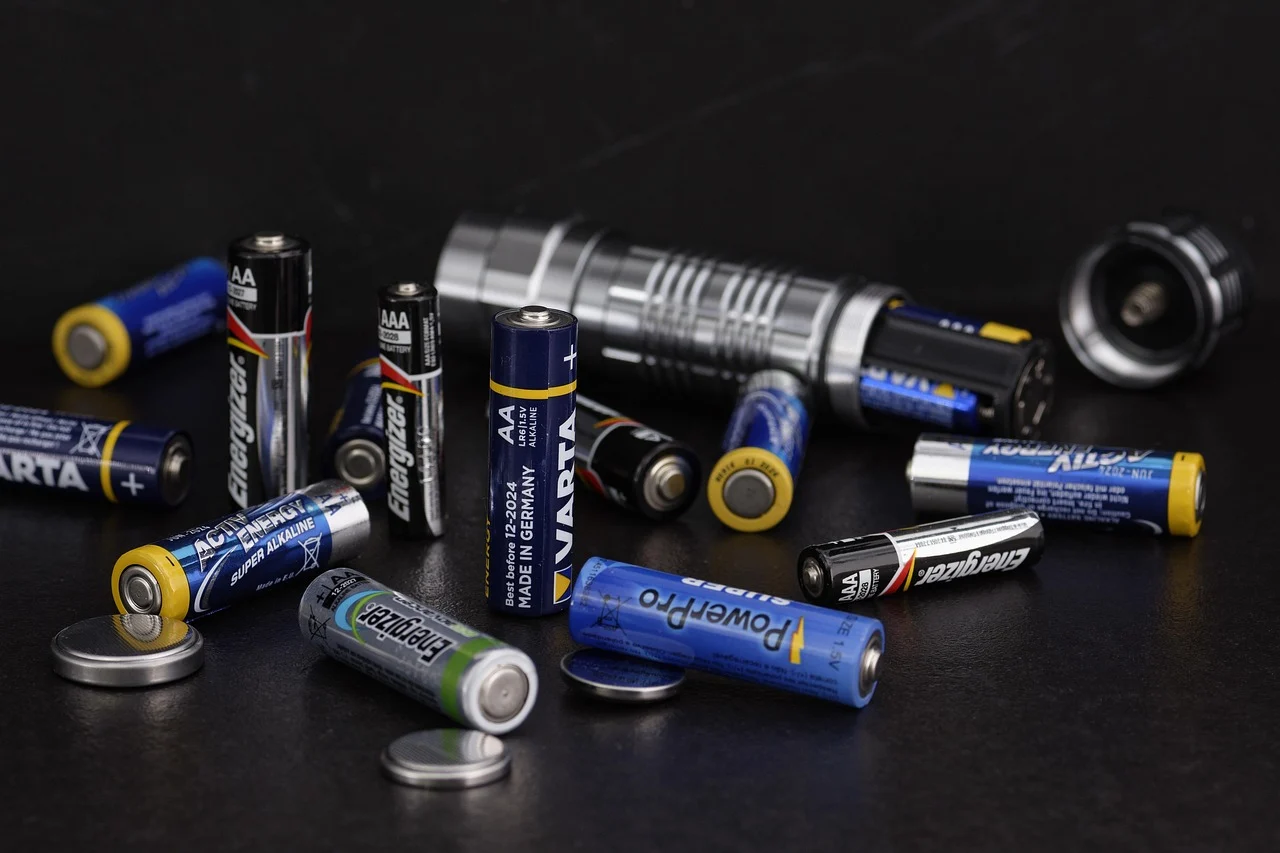
  • Batteries when energy storage is required

The electricity generated can be used to power appliances, lighting, pumps, air conditioning systems, machinery, and other electrical loads.

Solar Thermal Systems

Solar thermal technology captures sunlight as heat rather than converting it directly into electricity.

It can be used for:

  • Domestic hot water
  • Swimming pool heating
  • Space heating applications
  • Industrial heating processes

Solar energy technologies therefore extend well beyond photovoltaic panels. Technical reviews classify solar technologies into direct applications such as photovoltaics and solar thermal systems, as well as more advanced applications involving energy storage and other processes.

Full details about  Everything You Need to Know About Types of Solar Energy Systems Before Installing Solar

Why Is Harnessing Solar Energy Important in Egypt?

Egypt has a major natural advantage: abundant sunlight.

The country’s location within the global “Sun Belt” provides substantial solar resources, and large-scale projects such as the Benban Solar Complex demonstrate the country’s growing solar generation capacity.

This makes Harnessing Solar Energy particularly attractive for properties with significant daytime electricity consumption.

Examples include:

  • Residential buildings
  • Villas
  • Offices
  • Hotels
  • Factories
  • Agricultural facilities
  • Farms
  • Shopping centers
  • Schools
  • Warehouses
  • Water pumping stations

The economics become especially interesting when solar production occurs during the same hours when electricity demand is high.

How Harnessing Solar Energy Reduces Electricity Costs

The most direct financial benefit of solar power is that it allows you to generate electricity on-site.

Instead of purchasing every kilowatt-hour from the electricity grid, part of your consumption can come from your solar installation.

Using Solar Power During Peak Consumption

Consider a business operating mainly during daylight hours.

Its electricity demand may include:

  • Air conditioning
  • Computers
  • Lighting
  • Refrigeration
  • Pumps
  • Production equipment

Solar panels can generate electricity during these same operating hours.

This creates an important relationship between production and consumption.

The more solar electricity you consume directly, the less electricity you may need to purchase from the grid, subject to the applicable electricity and grid-connection arrangements.

Self-Consumption Is Key

A properly designed system should not simply maximize the number of solar panels.

Instead, it should consider:

How much electricity does the property use, and when is that electricity consumed?

A system that produces electricity at the right time can deliver stronger economic value than an oversized installation producing large amounts of unused energy.

Harnessing Solar Energy and Energy Efficiency

Solar power and energy efficiency are closely connected, but they are not the same thing.

Energy efficiency means reducing the amount of electricity required to perform a task.

Solar energy means changing where that electricity comes from.

The best strategy is to combine both.

Step 1: Reduce Waste

Before installing solar panels, identify unnecessary electricity consumption.

This may include:

  • Inefficient lighting
  • Poorly maintained air-conditioning systems
  • Oversized pumps
  • Poor insulation
  • Unnecessary operating hours
  • Inefficient motors

Step 2: Generate Electricity Efficiently

Once unnecessary consumption has been reduced, a solar system can be designed around the remaining demand.

This approach can reduce the required solar capacity and potentially improve the financial return of the project.

Get to know more about Struggling with Low Output? Best Performing Solar PV Panels Help

How a Solar PV System Works

The process of Harnessing Solar Energy through photovoltaic technology can be explained in a few steps.

Step 1: Sunlight Reaches the Panels

Solar radiation reaches the photovoltaic cells.

Step 2: The Cells Generate DC Electricity

The photovoltaic effect generates direct-current electricity.

Step 3: The Inverter Converts the Electricity

The inverter converts DC electricity into AC electricity suitable for the property’s electrical loads.

Step 4: The Energy Is Consumed

The generated electricity can be used by appliances and equipment.

Step 5: Excess Energy Is Managed

Depending on the system design, excess electricity may be stored in batteries or handled according to the applicable grid arrangement.

This is why the inverter is one of the most important components of a solar installation. Choosing the correct inverter requires consideration of panel characteristics, electrical loads, system architecture, and operating conditions.

On-Grid, Off-Grid, or Hybrid: Which System Is Better?

There is no universal solar system that is perfect for every property.

On-Grid Solar Systems

An on-grid system operates alongside the electricity grid.

It can be attractive for properties that:

  • Already have reliable grid access
  • Consume significant electricity during the day
  • Want to reduce grid electricity consumption
  • Do not necessarily require battery backup

Off-Grid Solar Systems

An off-grid system is designed to operate independently from the electricity grid.

It typically requires:

  • Solar panels
  • Inverter
  • Battery storage
  • Charge management
  • Protection equipment

These systems can be useful for remote agricultural or rural locations where grid access is unavailable or impractical.

Hybrid Solar Systems

Hybrid systems combine solar generation with batteries and, where applicable, the grid.

They can provide greater flexibility because energy can be generated, consumed, stored, and managed according to demand.

The right choice depends on the property’s energy profile rather than simply the price of the equipment.

Can Batteries Make Harnessing Solar Energy More Efficient?

Batteries can significantly change how solar electricity is used.

Without storage, a property generally benefits most from solar electricity when the panels are producing it.

With batteries, excess electricity can potentially be stored and used later, depending on the system design.

This can be particularly useful when:

  • Electricity consumption continues after sunset.
  • Backup power is required.
  • Grid interruptions are a concern.
  • Daytime solar production exceeds immediate consumption.

However, batteries also increase the initial investment.

Therefore, installing them should be based on an actual energy-storage requirement rather than assuming every solar system needs batteries.

Understand more about   Struggling to Pick the Best Type of Solar Panel? Read This

Choosing the Right Solar Panels

The solar panels are the primary energy-generation component, but the “best” panel is not necessarily the one with the highest wattage.

A professional selection should consider:

Panel Efficiency

Higher efficiency can be useful when roof space is limited.

Temperature Performance

Solar panels operate under varying temperatures, and their electrical output changes with temperature.

Mechanical Durability

Panels must withstand outdoor environmental conditions for many years.

Warranty and Reliability

A long-term solar installation requires equipment from established manufacturers and a supplier capable of providing appropriate support.

For its solar solutions, Acropol works with recognized panel brands including JA Solar and Jinko Solar, giving customers access to established photovoltaic technology as part of a complete system rather than treating the panel as an isolated product.

Why Installation Quality Matters

Buying high-quality equipment does not automatically guarantee high performance.

The installation itself has a major impact on system reliability.

Panel Orientation

Panels should be positioned to receive suitable solar exposure.

Shading

Trees, buildings, water tanks, neighboring structures, and other obstacles can create shadows that reduce production.

Mounting Structure

The structure must be suitable for the roof or ground installation and designed to withstand environmental loads.

Cable Sizing

Improper cable sizing can increase electrical losses and create unnecessary heating.

Electrical Protection

Appropriate DC and AC protection, isolation, surge protection, and grounding should be incorporated according to the system design and applicable electrical requirements.

This is why Harnessing Solar Energy should be approached as an engineering project rather than a simple equipment purchase.

Harnessing Solar Energy for Water Pumping

Agriculture is another major area where solar energy can deliver economic value.

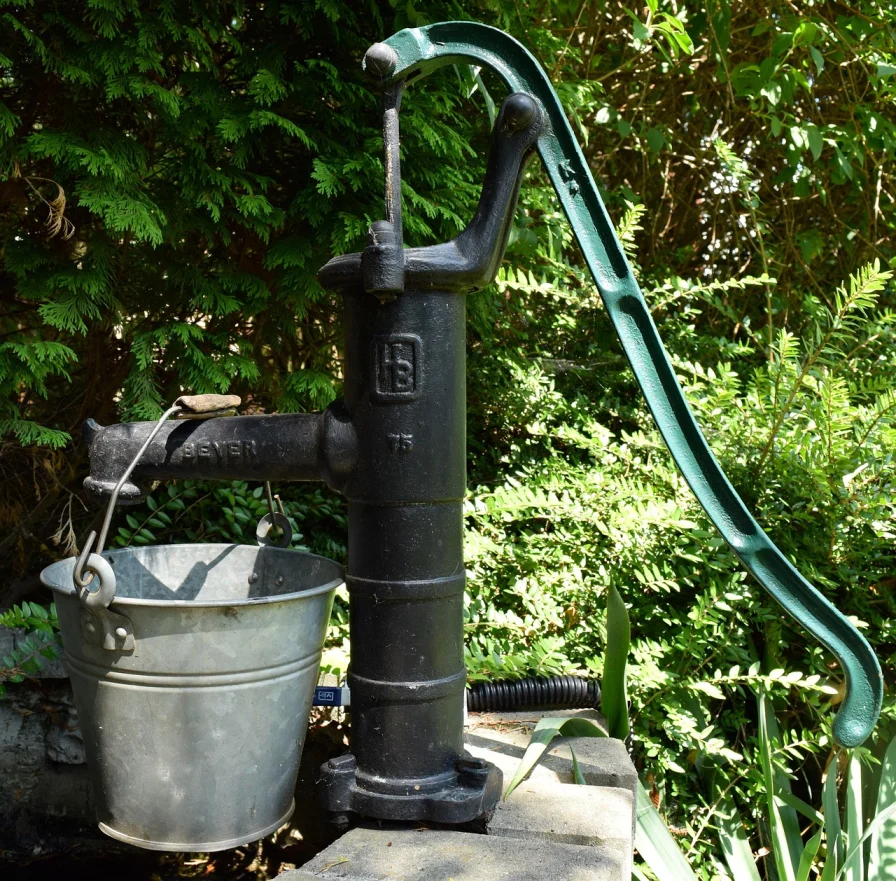
Solar-powered pumping systems can use photovoltaic electricity to operate water pumps, making them particularly relevant to farms and agricultural facilities.

The system can include:

  • Solar panels
  • Solar pump inverter/controller
  • Water pump
  • Electrical protection
  • Mounting structures
  • Water distribution infrastructure

Recent work in Egypt has also demonstrated the potential of combining solar pumping with improved irrigation infrastructure and farmer-led water management to improve water conveyance and irrigation efficiency.

For agricultural applications, system sizing should consider the required water flow, pumping head, operating hours, and solar resource rather than simply selecting a pump based on horsepower.

Harnessing Solar Energy for Heating

Solar technology can also reduce energy consumption associated with heating.

Instead of using electricity or gas for every heating requirement, solar thermal systems can provide heat directly from sunlight.

Applications include:

Solar Water Heating

Solar water heaters can provide hot water for homes, hotels, and commercial buildings.

Swimming Pool Heating

Solar pool-heating systems can use solar thermal collectors to raise or maintain pool-water temperature.

Building Heating

Solar energy can also complement heating systems where the design and climate make this practical.

Acropol provides solutions in these areas, including Dimas solar water heaters, swimming-pool heating, underfloor heating, wall heating, and boilers.

This makes it possible to consider electricity generation and thermal energy requirements as part of a broader energy strategy.

How Much Can You Save With Solar Energy?

There is no single percentage that applies to every customer.

Savings depend on:

  • Electricity consumption
  • Electricity tariff
  • Solar system capacity
  • Solar irradiation
  • Panel orientation
  • Shading
  • System efficiency
  • Operating schedule
  • Battery usage
  • Maintenance
  • Financing costs

For example, a commercial building consuming most of its electricity during daylight hours may have a very different financial outcome from a residence that consumes most of its electricity at night.

This is why responsible solar companies should calculate the expected production and consumption profile before promising a specific saving percentage.

Full details about  Struggling With Blackouts? Find the Best Solar Generator

How to Calculate the Investment Value

The economic evaluation should go beyond the purchase price.

A useful approach is to compare:

Initial Investment → Annual Energy Savings → Operating Costs → Maintenance → Expected System Life

One commonly used measure is the payback period:

Payback Period = Initial Investment ÷ Annual Savings

For a more comprehensive analysis, investors may also consider:

  • Return on investment
  • Net present value
  • Internal rate of return
  • Levelized cost of electricity
  • Battery replacement costs

The exact calculation should use current electricity tariffs, project costs, expected solar production, and financing assumptions.

What Can Reduce the Return on a Solar Investment?

Not every solar installation delivers the same economic performance.

Several factors can reduce the expected return.

Poor System Sizing

An oversized or undersized system may not match the property’s consumption pattern.

Shading

Even partial shading can reduce energy production depending on the array configuration.

Low-Quality Components

Cheap components can create higher maintenance and replacement costs.

Poor Installation

Improper connections, inadequate protection, and unsuitable mounting can affect safety and performance.

Lack of Maintenance

Dust and dirt accumulation can reduce the amount of sunlight reaching the panels.

Ignoring Energy Efficiency

Installing solar while continuing to waste electricity can reduce the overall value of the project.

How to Get the Most From Harnessing Solar Energy

If your goal is maximum efficiency and a strong investment, follow a structured approach.

Analyze Your Electricity Bill

Understand how much electricity you consume and identify the periods of highest consumption.

Identify Your Major Loads

Air conditioners, pumps, water heaters, refrigerators, and industrial machinery may represent substantial energy consumption.

Conduct a Site Survey

Evaluate roof area, shading, orientation, structural conditions, and cable routes.

Choose Appropriate Equipment

Select panels, inverters, batteries, protection equipment, and mounting structures according to the system design.

Design for Future Demand

If you expect electricity consumption to increase, consider this during the initial design.

Monitor Performance

Monitoring allows you to compare actual production with expected production and identify unusual performance changes.

Understand more about  JA Solar Panels Review: Great Value or Hidden Risks? 

Why Choose Acropol for Solar Solutions in Egypt?

Choosing the right company can be as important as choosing the right equipment.

Acropol provides integrated energy and heating solutions in the Egyptian market, with a focus on designing systems around the customer’s actual requirements.

Its solutions include:

  • Solar energy systems
  • JA Solar panels
  • Jinko Solar panels
  • Solar-powered pumps
  • Dimas solar water heaters
  • Ariston gas water heaters
  • Boilers
  • Underfloor heating
  • Wall heating
  • Swimming pool heating

This broader range is important because energy consumption does not come from electricity alone.

A property may need:

Electricity + hot water + heating + pool heating + water pumping.

A company capable of addressing several of these requirements can help customers evaluate the project as one integrated energy strategy.

Understand more about Renewable Energy Solar Panels: Top Brands for 2026 

Why Acropol Can Be a Smart Investment Choice

When comparing solar companies, price should not be the only consideration.

A cheaper installation may become more expensive if it involves:

  • Poor equipment
  • Incorrect sizing
  • Frequent maintenance
  • Low production
  • Inadequate protection
  • Difficult after-sales service

Acropol focuses on providing complete solutions rather than simply selling individual components.

Its use of JA Solar and Jinko Solar panels, combined with solar pumping, solar water heating, and heating solutions, gives customers the ability to build an integrated system around their property’s needs.

The objective should always be to achieve the best balance between:

Initial Price + Performance + Reliability + Energy Savings + Long-Term Value.

Is Harnessing Solar Energy Worth the Investment in 2026?

For many Egyptian properties, solar energy deserves serious consideration.

Egypt’s strong solar resource creates favorable conditions for photovoltaic electricity generation and solar thermal applications. The country is also continuing to expand its renewable-energy infrastructure and investment.

However, “worth it” depends on the individual project.

A proper evaluation should answer:

  1. How much electricity do you consume?
  2. When do you consume it?
  3. How much roof or land area is available?
  4. Is the site shaded?
  5. Do you need battery storage?
  6. What are your current electricity costs?
  7. What equipment is appropriate?
  8. What is the expected annual solar production?
  9. What maintenance will be required?
  10. What is the expected payback period?

Once these questions are answered, the decision becomes much clearer.


Frequently Asked Questions About Harnessing Solar Energy

Does solar energy work on cloudy days?

Yes. Solar panels can still generate electricity under diffuse sunlight, although output is generally lower than under strong direct sunlight.

Can solar panels reduce my electricity bill?

Yes. A properly designed photovoltaic system can reduce the amount of electricity purchased from the grid by supplying part of the property’s demand.

Do solar panels work at night?

Photovoltaic panels require sunlight to generate electricity. Nighttime consumption therefore requires grid electricity, battery storage, or another energy source.

Do I need batteries?

Not necessarily. Battery storage depends on whether you need nighttime energy storage, backup power, or greater energy-management flexibility.

Are solar panels suitable for businesses?

Yes. Commercial buildings with substantial daytime electricity consumption can be particularly suitable for photovoltaic systems.

Can solar energy operate water pumps?

Yes. Solar-powered pumping systems are widely used for agricultural and water-pumping applications, provided the pump and solar system are correctly sized.

Can solar energy heat swimming pools?

Yes. Solar thermal pool-heating systems can use solar heat to raise pool-water temperature and extend the swimming season.

How long does a solar system last?

The useful life varies by component. Solar panels are generally designed for long-term outdoor operation, while inverters, batteries, and other components may have different service lives and replacement requirements.

Is the cheapest solar system the best?

No. The best system is the one that provides the appropriate balance of quality, compatibility, performance, installation quality, warranty, and total cost of ownership.

Conclusion

Harnessing Solar Energy is no longer simply an environmental choice. For many homes, businesses, farms, and commercial facilities, it can become an important financial and operational strategy.

The key is not simply installing as many solar panels as possible. The real objective is to build a system that matches electricity consumption, available solar resources, operating schedules, and future requirements.

When high-quality components are combined with accurate system sizing, professional installation, appropriate protection, regular monitoring, and energy-efficiency measures, solar power can significantly reduce dependence on conventional electricity.

Egypt’s strong solar resource provides an excellent foundation for this transition. With solutions ranging from photovoltaic electricity generation to solar water heating, pool heating, and solar-powered pumping, the potential applications are extensive.

For customers looking for a reliable long-term investment, Acropol offers an integrated approach, combining solar solutions with trusted products such as JA Solar and Jinko Solar panels, Dimas solar water heaters, solar pumps, heating systems, boilers, and Ariston gas heaters.

The smartest solar investment is not necessarily the one with the lowest initial price. It is the one that delivers the right system, the right performance, and the right savings over its operating life.

 Start Harnessing Solar Energy With Acropol

If rising electricity costs are affecting your household or business, now is the right time to evaluate whether Harnessing Solar Energy can reduce your energy expenses.

Acropol provides integrated solar and heating solutions designed around the actual requirements of each project, including JA Solar and Jinko Solar panels, solar-powered pumps, Dimas solar water heaters, swimming pool heating, underfloor heating, wall heating, boilers, and Ariston gas water heaters.

Instead of choosing equipment based solely on the lowest price, let Acropol help you evaluate your electricity consumption, system capacity, installation requirements, and expected investment value.

Contact Acropol today to discuss your project and discover a practical solar solution designed to reduce electricity costs, improve energy efficiency, and deliver stronger long-term value.

📞 Contact Us | ✉️ Send Your Inquiry | 🌐 Visit Our Website