Commercial solar power installation should start with a clear understanding of the site’s electricity use, operating hours, roof or land availability, and the business objective. The goal may be to offset daytime grid consumption, improve energy resilience, support a sustainability strategy, or reduce exposure to changing energy costs. A good project is designed around real loads and site conditions rather than a generic panel count.
When does commercial solar make sense?

Commercial solar can be a strong fit for businesses with significant daytime electricity demand and suitable installation space. Warehouses, factories, offices, farms, schools, hotels, and retail facilities can all have different load profiles, so the system must be sized around actual consumption patterns.
1. Start with a load assessment
Review electricity bills, interval data if available, operating hours, major equipment, and peak simultaneous loads. Monthly consumption helps estimate energy demand, but inverter sizing and system design also require an understanding of instantaneous power and equipment that may have high starting currents.
2. Choose the right system type
Commercial systems may be grid-connected, off-grid, or hybrid depending on the site and operating requirement. A grid-connected system may suit a facility focused on daytime energy offset, while a hybrid or storage-based system may be considered when backup operation is important. The correct choice depends on site conditions and the applicable technical and regulatory requirements.
3. Size the solar array for the site
Array size depends on energy consumption, available area, module wattage, orientation, shading, structural constraints, and inverter limits. More panels are not automatically better if the electrical design or available area does not support them.
4. Select panels by model, not marketing claims
Compare the exact solar module model, rated power, dimensions, electrical characteristics, temperature behavior, and warranty terms. Price per watt can help compare offers, but it should not replace a full specification review. See Solar Panel Price in Egypt for a structured quotation checklist.
5. Match the inverter to the array and loads
The inverter must be compatible with the DC voltage and current of the solar strings and with the AC side of the installation. Review MPPT ranges, maximum input limits, monitoring options, protection requirements, and any battery compatibility if storage is planned.
For inverter comparison, review how to compare solar inverter types, sizing, and compatibility.
6. Decide whether battery storage is needed
Not every commercial solar project needs batteries. Storage can be useful when backup operation, load shifting, or specific resilience requirements justify it, but it adds cost and design complexity. If batteries are included, their usable capacity, voltage, charge and discharge limits, warranty, and compatibility with the inverter must be checked.
7. Include protection, cabling, and earthing in the design

A commercial solar system is a power installation, not just a collection of panels. DC and AC protection, isolation, surge protection where required, earthing, cable sizing, labeling, and safe equipment locations must be included in the engineering scope. These elements should appear clearly in the quotation rather than being treated as unspecified extras.
8. Review the structure and installation area
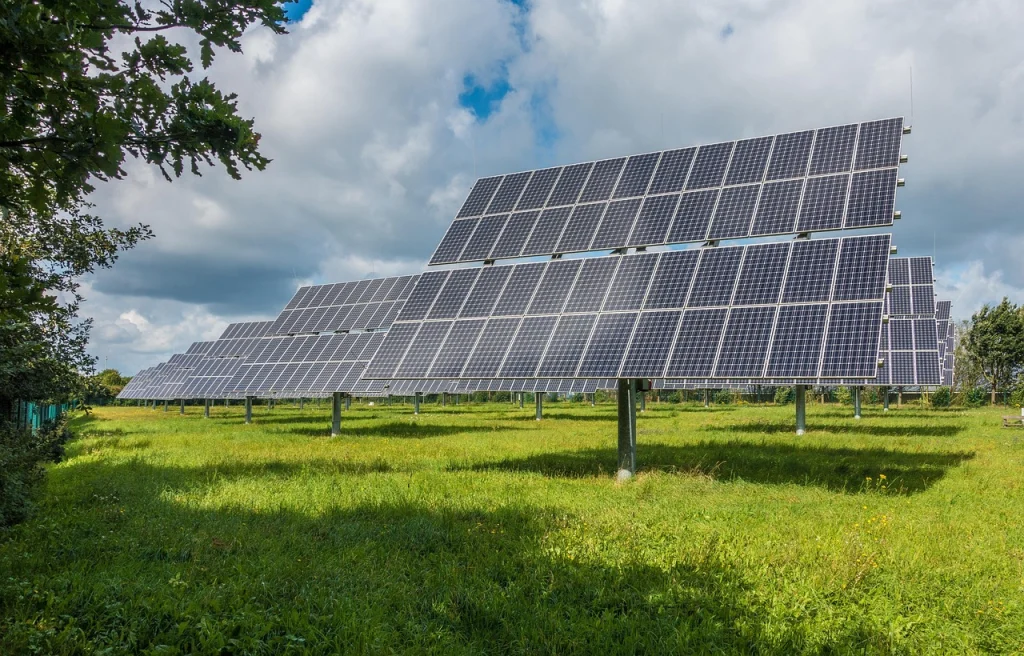
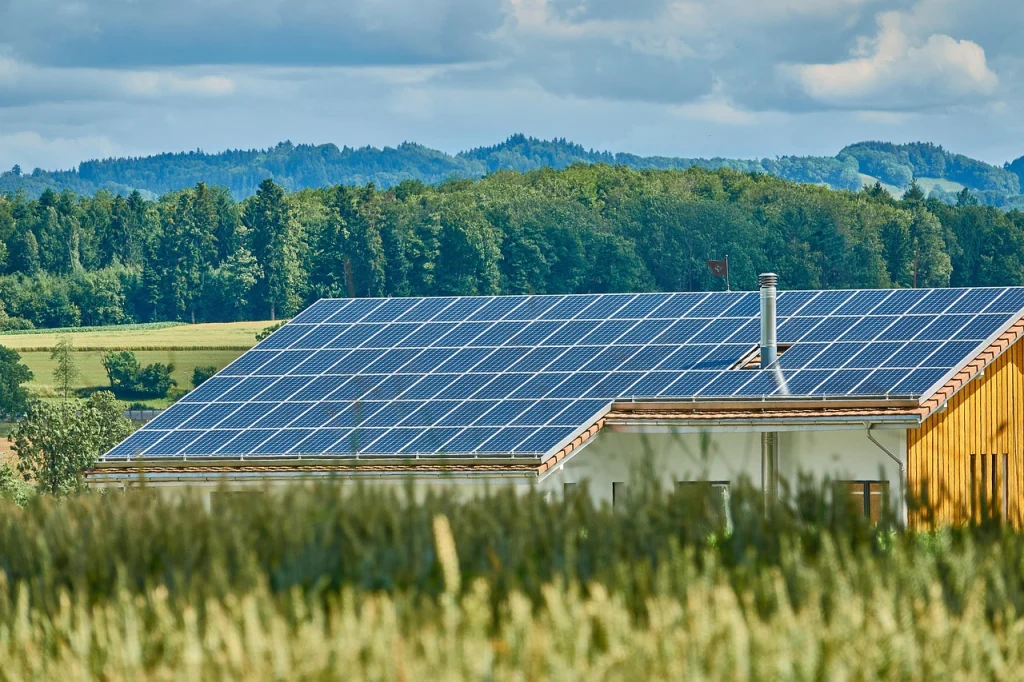
Roof-mounted systems require a review of roof condition, structural suitability, drainage paths, access, shading, and maintenance clearances. Ground-mounted systems introduce different structural and civil requirements. Mounting design should match the actual site and the module layout.
9. Evaluate the business case with project-specific assumptions
Return on investment cannot be determined from a universal payback period or a fixed percentage saving. It depends on current electricity use, tariff structure, system production, installed cost, operating profile, financing, maintenance, and how much of the generated energy is actually used by the site. A credible proposal should show the assumptions used in the financial model.
10. Plan monitoring and maintenance from the start
Monitoring helps identify changes in production and system faults. Maintenance planning may include module inspection and cleaning when required, inverter checks, electrical inspection, monitoring review, and investigation of abnormal performance. The required schedule depends on the site, equipment, environment, and manufacturer instructions.
How to compare two commercial solar quotations
- Confirm both proposals are based on comparable load data and system objectives.
- Compare total system capacity and expected operating concept.
- Check the exact panel and inverter manufacturer and model.
- Confirm whether batteries are included and compare usable storage on the same basis.
- Review mounting, cables, protection, monitoring, installation, testing, and commissioning.
- Check warranty terms and who is responsible for each component.
- Review the assumptions behind any production, savings, or ROI estimate.
- Confirm quotation validity and any exclusions.
Common mistakes in commercial solar projects
- Sizing the system from the electricity bill alone without reviewing the load profile.
- Comparing proposals only by total price.
- Buying panels and inverters separately without checking electrical compatibility.
- Adding battery storage without a defined operational need.
- Ignoring shading, roof access, structural conditions, or maintenance clearances.
- Accepting fixed savings or payback promises without seeing the assumptions.
What information should you prepare before requesting a quote?
- Recent electricity consumption data.
- Operating days and hours.
- Major electrical loads and any planned expansion.
- Roof or land area and site photos.
- Whether backup power or battery storage is required.
- Any technical or operational constraints.
Frequently asked questions
How much does a commercial solar installation cost?
There is no single fixed cost. It depends on system capacity, panel and inverter models, mounting, protection, cabling, batteries if used, site conditions, and installation scope.
How long is the payback period?
Payback is project-specific. It should be calculated using the site’s electricity use, installed cost, expected production, financing, maintenance, and tariff assumptions rather than a generic number.
Do commercial systems need batteries?
Not always. Battery storage should be added when the operating requirement justifies it, such as backup or a defined energy-management objective.
Can a commercial system be expanded later?
Expansion may be possible if the original design, inverter capacity, electrical infrastructure, mounting space, and protection strategy allow it. If future growth is expected, it should be considered during the initial design.
For a site-specific proposal, prepare your load information, operating hours, and installation-area details so the system can be evaluated against the actual business requirement.