When you are planning a solar-powered water pumping system, choosing a pump based only on horsepower can be an expensive mistake. A 5 HP pump is not automatically better than a 3 HP pump, and a pump with a higher maximum flow rate may perform poorly if it cannot deliver the required flow at the actual pumping head.
This is why understanding Duplex submersible pump specifications is essential before investing in a solar pumping system.
A duplex configuration can offer an important advantage for agricultural, commercial, industrial, and water-supply applications because it uses two pumps instead of relying on a single unit. Depending on the control strategy, the pumps may operate individually, simultaneously, or in alternating duty/standby mode.
But is a duplex solar pumping system really worth the investment?
The answer depends on the application.
For some projects, duplex pumping can improve reliability and operational flexibility. For others, it may add unnecessary equipment and cost. The key is to evaluate the complete hydraulic and electrical design rather than focusing on the pump label alone.
In this guide, we will examine the most important Duplex submersible pump specifications, explain how they interact with solar power, identify the situations where duplex pumping makes sense, and show why professional system design is critical.
What Is a Duplex Submersible Pump System?
A duplex submersible pumping system generally consists of two submersible pumps installed to serve the same water-demand application.
Unlike a conventional single-pump installation, a duplex system can be configured to provide operational redundancy.
For example, Pump A may operate during normal demand while Pump B remains on standby. The controller can alternate the lead pump periodically so that operating hours are distributed between both units.
During periods of higher demand, both pumps can operate simultaneously if the hydraulic system has been designed for combined flow.
This configuration is particularly useful when water supply cannot simply stop because one pump requires maintenance.
Typical Duplex Configurations
A duplex system may operate in several ways:
Duty/Standby
One pump operates while the second pump remains available as backup.
This is useful where continuity of water supply is more important than maximum flow.
Alternating Operation
The controller switches between Pump A and Pump B according to operating cycles.
This can help distribute operating hours and reduce uneven wear.
Duty/Assist
One pump operates under normal demand, while the second starts when additional flow is required.
This is useful when water demand varies throughout the day.
Parallel Operation
Both pumps operate simultaneously when the required flow exceeds the capacity of a single pump.
However, parallel operation must be properly engineered. Simply installing two pumps does not guarantee that the combined flow will equal exactly twice the output of one pump.
Discover more abou Submersible Pump Maintenance Secrets for Reliable Solar Pumps
Why Duplex Submersible Pump Specifications Matter
The most important point when comparing Duplex submersible pump specifications is that specifications must be evaluated as a complete system.
A pump’s flow rate, head, motor power, efficiency, voltage, and operating conditions are interconnected.
For example, manufacturers may publish a maximum flow rate at very low or zero head. That figure does not represent the flow you will necessarily receive at the actual well depth and discharge pressure.
Solar pumping systems make this even more important because available electrical power changes throughout the day.
A correctly designed system must therefore match:
Water demand + hydraulic conditions + pump performance + solar array + controller + operating schedule.
The Most Important Duplex Submersible Pump Specifications
1. Flow Rate
Flow rate is one of the first specifications you should examine.
It indicates how much water the pump can deliver over a given period.
Common units include:
- Liters per minute.
- Liters per second.
- Cubic meters per hour.
- Gallons per minute.
For agricultural applications, cubic meters per hour is commonly used.
A pump advertised as delivering 10 m³/h, for example, should not automatically be assumed to deliver 10 m³/h at the required head.
Why Actual Flow Matters
Pump flow decreases as total head increases.
A technical solar pump specification sheet may show a maximum flow of several cubic meters per hour but a significantly lower flow at higher heads.
This relationship is visible in published solar submersible pump performance tables, where different models provide different flow rates depending on rated and maximum head.
For that reason, always request the pump curve rather than relying on one number.
2. Total Dynamic Head
If there is one specification that deserves as much attention as flow rate, it is head.
Total Dynamic Head (TDH) represents the total resistance and vertical lift that the pump must overcome.
It can include:
- Water level elevation.
- Discharge elevation.
- Pressure requirements.
- Pipe friction.
- Valves.
- Fittings.
- Other hydraulic losses.
A deep well with a long pipeline may require substantially more head than a shallow source located close to the storage tank.
Static Head vs Dynamic Head
Static head describes the vertical elevation difference.
Dynamic head also considers friction and other losses occurring while water is flowing.
This distinction is critical when selecting Duplex submersible pump specifications.
Choosing a pump based only on well depth can result in poor performance because the pump must overcome the complete hydraulic system, not just the depth of the water source.
3. Motor Power
Motor power is commonly expressed in:
- HP.
- kW.
It is important, but it should not be the only specification used to compare pumps.
Two pumps with the same motor power can have substantially different hydraulic performance because of differences in pump design and efficiency.
A higher-power motor may also require a larger solar array and controller.
Therefore, the correct approach is to determine the required flow and head first, then select the pump and motor combination that can deliver that performance efficiently.
4. Voltage
Solar submersible pumps may use different electrical configurations.
Depending on the design, a system may use:
- DC motors.
- AC motors.
- AC/DC-compatible systems.
- Three-phase motors.
The voltage must match the controller and solar array architecture.
Published solar pump specifications show that systems can operate at different DC voltage levels depending on motor size and design.
Why Voltage Matters in Solar Pumping
Solar panels do not simply provide a fixed electrical supply like a conventional grid.
The controller must manage variable solar input.
Therefore, the pump, controller, and PV array need to be engineered as a compatible package.
5. Pump Diameter
For borehole applications, pump diameter is a critical physical specification.
Common submersible pump sizes include:
- 3-inch.
- 4-inch.
- 6-inch.
- Larger configurations for specialized applications.
The pump must physically fit inside the well casing while allowing adequate water flow and cooling around the motor.
Some solar pump manufacturers specify the well diameter directly alongside maximum flow and head.
Installing a pump that is too large for the well is not simply inconvenient; it can make the system impossible or unsafe to install.
6. Outlet Diameter
The discharge outlet determines the connection size between the pump and the delivery pipeline.
Common outlet sizes vary according to pump capacity.
But selecting the outlet is not just about matching the pipe physically.
Pipe diameter affects:
- Flow velocity.
- Friction losses.
- Energy requirements.
- System efficiency.
A pipe that is too small can create unnecessary hydraulic losses and increase the required pumping head.
7. Pump Efficiency
Efficiency is particularly important in solar-powered pumping.
Every watt saved by the hydraulic and motor system can reduce the required PV capacity or increase the amount of water produced from the same solar array.
A technically efficient pump can therefore improve the overall economics of a solar pumping project.
When comparing Duplex submersible pump specifications, look beyond maximum flow and maximum head.
Ask for:
- Hydraulic efficiency.
- Motor efficiency.
- Overall pump-set efficiency.
- Performance curves.
8. IP Protection Rating
Submersible equipment operates in a wet environment, so protection against water and dust is essential.
Many solar submersible pumps and controllers specify IP protection ratings.
For example, published solar pump products include IP68-rated pump configurations, while solar controllers may use ratings such as IP65 depending on their installation environment.
The rating of the pump and the rating of the external controller should be evaluated separately because they serve different environmental conditions.
9. Materials and Corrosion Resistance
Material selection becomes especially important when the pump operates continuously or when the water contains minerals or other corrosive substances.
Common materials may include:
- Stainless steel.
- Cast iron.
- Engineering polymers.
- Brass components.
- Stainless steel shafts.
- Specialized impellers.
Some solar submersible pumps use stainless-steel construction for components exposed to water and provide corrosion-resistant designs for demanding environments.
The correct material depends on water chemistry and operating conditions.
Solar Compatibility: What Makes a Submersible Pump Solar-Ready?
A conventional submersible pump is not automatically a solar pump.
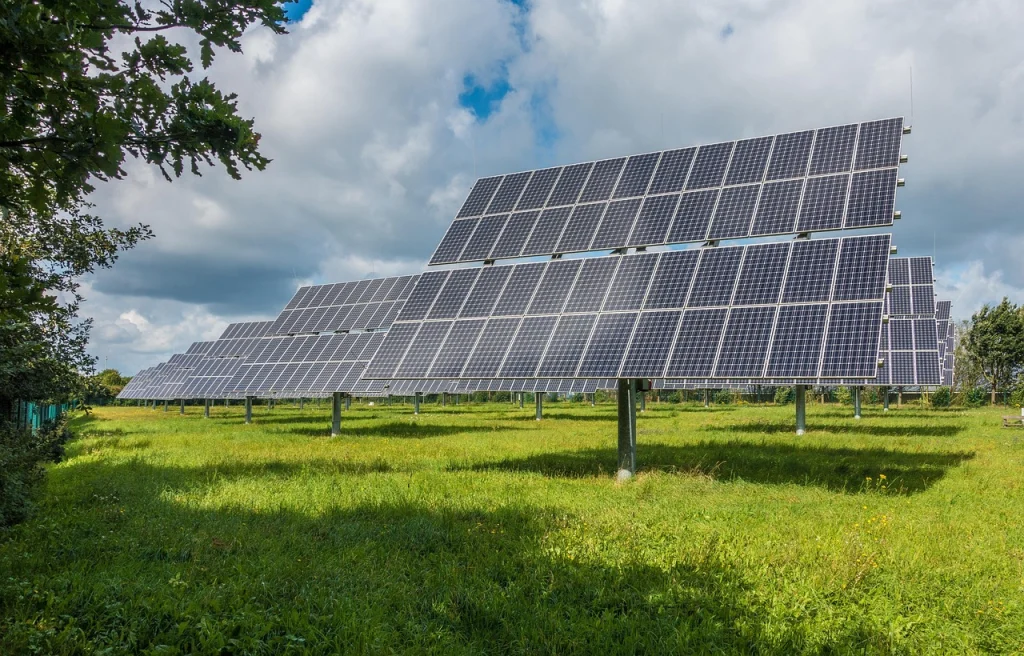
A solar pumping system needs to manage the variable electrical output of photovoltaic panels.
This is where the controller becomes extremely important.
MPPT Technology
Many modern solar pump controllers incorporate Maximum Power Point Tracking (MPPT).
MPPT allows the controller to adjust electrical operation to extract usable power from the PV array under changing conditions.
This is particularly valuable because solar irradiance varies throughout the day.
Some published solar pump controllers integrate MPPT together with protections such as dry-run, overvoltage, undervoltage, reverse polarity, and overload protection.
Find out more about Why a Swimming Pool Heat Pump Is the Best Option for Eco-Friendly Pool Heating
Do Duplex Pumps Need Two Solar Arrays?
Not necessarily.
The answer depends on the electrical architecture.
A duplex installation could be designed with:
- One shared solar array and controller architecture.
- Separate PV arrays for each pump.
- A hybrid AC/DC configuration.
- A system where only one pump normally operates while the second is backup.
The correct configuration depends on the pump motor type, controller capacity, operating strategy, and required redundancy.
This is why Duplex submersible pump specifications cannot be separated from the specifications of the solar array and controller.
How Much Solar Power Does a Duplex Pump Need?
There is no universal solar-panel count for a duplex system.
The required PV capacity depends on:
- Pump motor power.
- Pump efficiency.
- Hydraulic head.
- Required flow.
- Solar resource.
- Operating hours.
- Controller efficiency.
- Temperature.
- Cable losses.
- System design margins.
For example, a published solar submersible pump range may specify different PV array sizes for 3 HP, 5 HP, 7.5 HP, and 10 HP pump systems.
This illustrates why the phrase “How many solar panels do I need?” cannot be answered accurately without first knowing the pump and hydraulic requirements.
Discover more about Heating a Swimming Pool with Solar and Heat Pump Options in Egypt
Duplex vs Single Submersible Pump
Is duplex really better?
Not always.
Advantages of Duplex Systems
Higher Reliability
If one pump fails, the second can potentially continue supplying water.
Flexible Operation
The system can use one pump during low demand and two during peak demand.
Maintenance Flexibility
A pump can potentially be serviced while the other remains operational, depending on the system configuration.
Load Sharing
Alternating operation can distribute operating hours between pumps.
Explore more about Is Solar Power Cost Effective for Your Home?
Disadvantages of Duplex Systems
The main disadvantage is additional complexity.
A duplex system may require:
- Two pumps.
- Additional valves.
- More electrical equipment.
- More control logic.
- Additional piping.
- Larger installation space.
- Higher initial investment.
Maintenance requirements can also increase because there are more components to inspect.
Therefore, duplex pumping is not automatically the most economical solution.
Discover more about 20 Benefits of a Commercial Solar Power Plant
When Is a Duplex Solar Pump Worth It?
A duplex configuration is usually more attractive when water availability is critical.
Examples include:
Large Agricultural Projects
Irrigation systems may require continuous water availability, particularly during critical crop periods.
Commercial Buildings
Buildings with significant water demand may benefit from backup pumping capacity.
Industrial Applications
Water interruptions can cause costly production problems.
Livestock Operations
Reliable water supply can be essential for animal welfare and farm operations.
Remote Sites
Where technical support and replacement parts may take time to reach the site, redundancy can have substantial value.
When Is Duplex Overrated?
A duplex configuration may be unnecessary when:
- Water demand is very low.
- A single pump already provides sufficient capacity.
- A backup water source is available.
- Temporary interruption is acceptable.
- The project budget is highly constrained.
- Maintenance can be performed quickly.
For a small agricultural application, installing two pumps simply because “two is safer” may not provide a good return on investment.
The correct solution depends on risk, demand, and economics.
Duplex Pump Performance in Solar Conditions
One of the most important differences between conventional and solar pumping is the variability of available energy.
A grid-powered pump may operate at relatively stable electrical input.
A solar-powered pump experiences changes in:
- Solar irradiance.
- Panel temperature.
- Cloud cover.
- Morning and evening conditions.
- Seasonal solar availability.
Therefore, the system may produce less water early in the morning or late in the afternoon than around midday.
A properly designed system should account for this.
Water Storage Can Be Better Than Battery Storage
One of the biggest advantages of solar water pumping is that water itself can be stored.
Instead of using batteries to operate the pump at night, many agricultural systems can pump water into an elevated or ground-level storage tank during daylight.
The stored water can then be used later.
This can reduce the need for expensive battery storage.
In many irrigation applications, the most economical architecture can therefore be:
Solar panels → controller → submersible pump → storage tank → irrigation system
rather than:
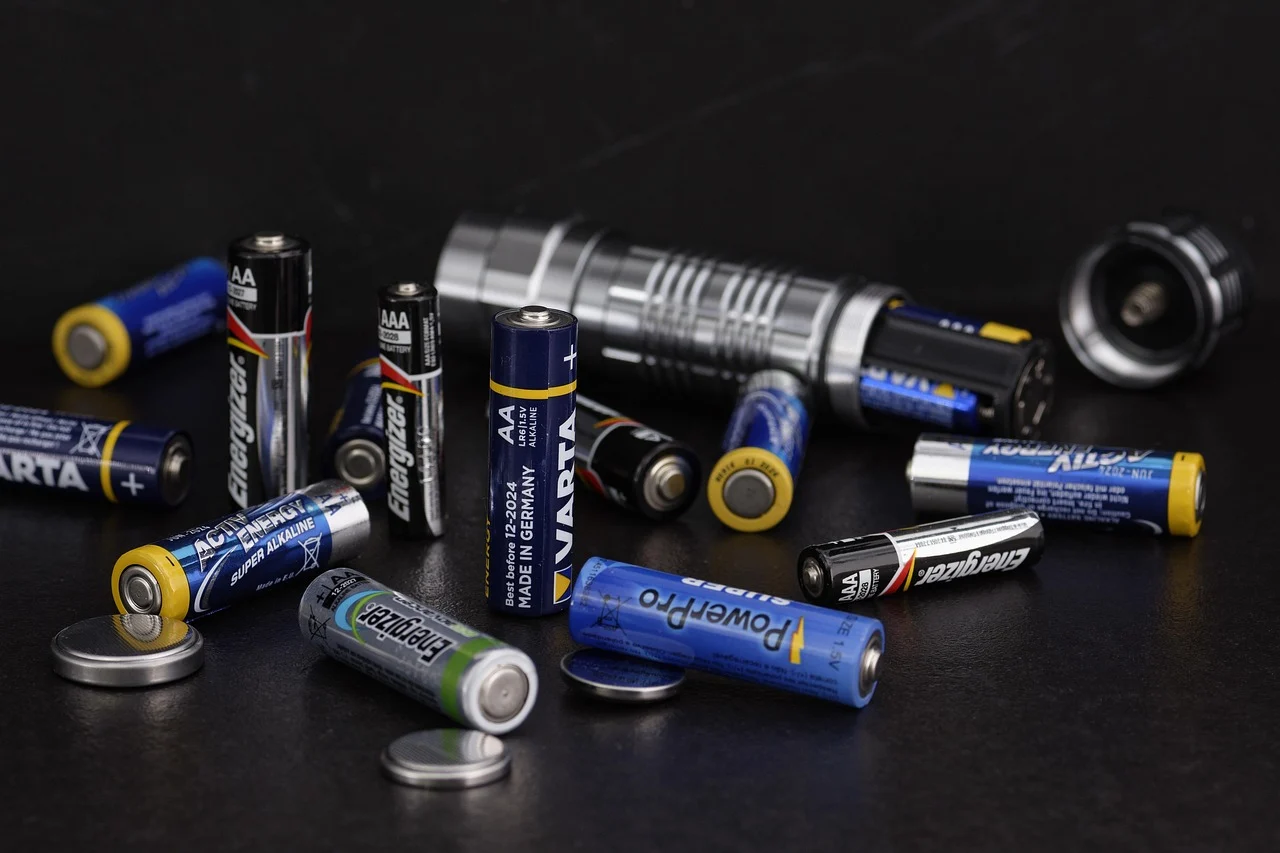
Solar panels → batteries → pump → irrigation system
The right choice depends on the application and required operating schedule.
The Importance of Pump Curves
A pump curve is one of the most valuable documents to request before purchasing.
It shows how flow changes as head changes.
For example, a pump might deliver:
- High flow at low head.
- Moderate flow at medium head.
- Low flow at high head.
The intersection between the pump curve and the actual system requirement helps determine the operating point.
Without this information, comparing Duplex submersible pump specifications becomes much less meaningful.
Common Mistakes When Buying Solar Submersible Pumps
Mistake 1: Choosing by Horsepower Only
Horsepower does not tell you exactly how much water the system will deliver.
Mistake 2: Ignoring Total Dynamic Head
Well depth alone does not define the pumping requirement.
Mistake 3: Buying the Maximum-Flow Model
Maximum flow may only occur at very low head.
Mistake 4: Undersizing the Solar Array
An undersized PV system may cause poor pumping performance.
Mistake 5: Ignoring the Controller
A pump and solar array cannot simply be connected together without ensuring electrical compatibility.
Mistake 6: Using Inadequate Pipe Diameter
Small pipes can increase friction losses and reduce delivered flow.
Mistake 7: Ignoring Dry-Run Protection
If the water level falls below the pump intake, operating without adequate protection can damage the pump.
Mistake 8: Neglecting Water Quality
Sand, minerals, and other contaminants can accelerate wear.
Maintenance of Duplex Solar Submersible Pumps
A good system should not wait until the pump fails before maintenance begins.
Routine checks should include:
Pump Performance
Monitor changes in:
- Flow.
- Pressure.
- Power consumption.
- Operating hours.
A gradual decline in performance can indicate a developing problem.
Electrical Connections
Inspect cables, connectors, insulation, and controller connections.
Solar Panels
Keep the PV modules reasonably clean and inspect them for damage.
Water Level
Monitor the well or water source to prevent dry operation.
Control System
Check alarms and protection functions.
Acropol also highlights the importance of preventive maintenance for submersible solar pumps, including monitoring the pump, cables, intake, seals, controller, and changing water levels.
How Acropol Can Help With Solar Submersible Pump Systems
Choosing the right pump is only one part of the project.
The bigger challenge is integrating the pump with the solar power system, hydraulic network, controls, and water requirements.
Acropol’s Solar Water Pump Solutions offers solar-powered water pumping solutions for agricultural and domestic applications, including submersible and surface pump systems. Acropol also provides installation and after-sales support for solar energy solutions.
For customers looking for a complete renewable-energy solution, Acropol also works with solar panels such asJA Solar and Jinko Solar panels, in addition to solar water pumps and other energy and heating solutions.
The advantage of working with an integrated provider is that the pump does not have to be treated as an isolated piece of equipment.
Instead, the complete project can be evaluated around:
- Water demand.
- Well characteristics.
- Pump specifications.
- Solar array.
- Controller.
- Piping.
- Storage.
- Irrigation requirements.
- Installation.
- Maintenance.
Acropol states that its solar-pump offering includes professional solutions and installment options, which can make the initial investment easier to manage for qualifying customers.
Duplex Submersible Pump Specifications Checklist
Before purchasing, ask the supplier for the following information:
Hydraulic Specifications
- Rated flow.
- Maximum flow.
- Rated head.
- Maximum head.
- Pump curve.
- Operating point.
- Outlet diameter.
Motor Specifications
- Rated power.
- Voltage.
- Current.
- Frequency where applicable.
- Motor efficiency.
- Motor type.
Mechanical Specifications
- Pump diameter.
- Pump length.
- Weight.
- Materials.
- Shaft material.
- Impeller material.
Protection Specifications
- IP rating.
- Dry-run protection.
- Overload protection.
- Overvoltage protection.
- Undervoltage protection.
- Reverse-polarity protection where applicable.
Solar Specifications
- Recommended PV power.
- MPPT voltage range.
- Maximum PV voltage.
- Controller rating.
- Recommended panel configuration.
Published solar-pump documentation demonstrates why these details matter: manufacturers commonly specify pump power, head, flow, PV array size, controller characteristics, and protection features together rather than treating the pump as a standalone product.
Is a Duplex Solar Pump More Efficient?
The answer needs to be divided into two questions.
Is the pump itself more hydraulically efficient?
Not necessarily.
A duplex arrangement does not automatically make an individual pump more efficient.
Can the overall system operate more efficiently?
Potentially.
If demand varies significantly, operating one pump during low demand and both pumps during peak demand can provide useful flexibility.
The real benefit may therefore be system optimization and reliability, rather than simply higher pump efficiency.
Duplex Submersible Pump Specifications and ROI
When calculating return on investment, do not compare only the purchase price.
Consider:
Initial investment + installation + energy cost + maintenance + downtime risk + expected service life.
A single pump may have a lower initial cost.
But if pump failure could stop irrigation for several days during a critical period, the economic consequences may be much higher.
A duplex system can therefore justify its higher initial investment when downtime has a high financial cost.
For smaller projects, however, a single well-designed pump may provide a better return.
Full details about Best Batteries for Home Solar System: Stop Wasting Money
Frequently Asked Questions
What are the most important duplex submersible pump specifications?
The most important specifications include flow rate, total dynamic head, motor power, voltage, pump diameter, outlet size, efficiency, materials, protection rating, and controller compatibility.
Is a duplex pump better than a single pump?
Not automatically. Duplex systems are primarily valuable when reliability, redundancy, variable demand, or continuous water supply is important.
Can duplex pumps run on solar energy?
Yes. They can be integrated into solar pumping systems when the pumps, controllers, PV array, and hydraulic system are correctly designed.
Do solar submersible pumps need batteries?
Not necessarily. Many systems can pump water during daylight into a storage tank, eliminating or reducing the need for battery storage.
How many solar panels are required?
There is no fixed number. The required PV capacity depends on pump power, head, flow, efficiency, solar conditions, controller requirements, and operating schedule.
What is MPPT in a solar pump controller?
MPPT stands for Maximum Power Point Tracking. It helps the controller operate the PV system around its available maximum-power point as solar conditions change.
What is total dynamic head?
It is the total hydraulic head the pump must overcome, including elevation, pressure requirements, pipe friction, valves, fittings, and other system losses.
Is horsepower enough to select a pump?
No. Horsepower is only one specification. The pump must be selected based on the required flow at the required total dynamic head.
Final Verdict: Efficient or Overrated?
Duplex submersible pump specifications should not be judged by the number of pumps alone.
A duplex solar pumping system can be an excellent investment when the application requires high reliability, variable flow, redundancy, or continuous water availability.
For large farms, commercial properties, industrial facilities, livestock operations, and critical water systems, the ability to keep supplying water when one pump is unavailable can justify the additional investment.
But for a small project with modest water requirements, a duplex system may add unnecessary cost and complexity.
The smartest approach is therefore not to ask:
“Is a duplex pump better?”
Instead, ask:
“Does my project benefit financially and operationally from redundancy and flexible pumping capacity?”
The answer should come from a proper hydraulic and solar-energy assessment.
For projects in Egypt, working with an experienced solar-energy company can make a significant difference because pump selection, PV sizing, controller selection, hydraulic design, installation, and maintenance all influence the final performance.
Acropol provides integrated solar-energy solutions in Egypt, including solar water pumps, solar systems, installation, and after-sales support. Its solar-pump solutions include submersible systems for applications such as agricultural and domestic water pumping.
If you are considering a duplex solar pumping project, the best investment is not necessarily the pump with the highest horsepower or the lowest price. It is the system that delivers the required water, at the required head, with the lowest practical lifecycle cost and the reliability your application actually needs.
Get the Right Solar Pump System with Acropol
Choosing the right Duplex submersible pump is an investment in reliable water supply, energy savings, and long-term performance. Instead of paying for an oversized system or dealing with inefficient equipment, let Acropol help you select a solution based on your actual water demand, pumping head, solar capacity, and project requirements.
As a trusted solar energy company in Egypt, Acropol provides integrated solar solutions, including solar submersible pumps, solar panels from JA Solar and Jinko Solar, professional installation, and after-sales support.
Whether you need a solar pumping system for agriculture, irrigation, residential use, or a commercial project, Acropol can help you find a practical solution that balances performance, reliability, installation cost, and long-term energy savings.
Contact Acropol today and get a professional assessment for your solar pumping project. Invest smarter, reduce operating costs, and get the water-pumping performance your project actually needs.
📞 Contact Us | ✉️ Send Your Inquiry | 🌐 Visit Our Website