Solar Water Pumps for Agriculture: How to Select the Right System for Any Farm Size

Choosing the right solar water pumps for agriculture is one of the smartest investments farmers can make in 2026. Solar-powered pumping systems reduce fuel and electricity costs, improve irrigation efficiency, and provide reliable water access for farms of every size. Selecting the correct pump depends on water demand, total dynamic head, irrigation method, solar array capacity, and overall system design. Working with an experienced provider such as Acropol ensures maximum performance through premium JA Solar and Jinko Solar panels, professional engineering, and long-term technical support.

Introduction

Agriculture has always depended on reliable access to water, yet rising electricity prices and increasing diesel costs continue to place financial pressure on farmers worldwide. Whether operating a small family farm or managing a large commercial agricultural project, controlling irrigation expenses has become essential for maintaining profitability.

This is why solar water pumps for agriculture have become one of the fastest-growing renewable energy solutions in recent years. Instead of relying on expensive fuel or unstable electricity supplies, farmers can use abundant solar energy to pump water efficiently throughout the day while significantly reducing operating costs.

Egypt is particularly well suited for solar irrigation because of its high annual solar irradiation. With abundant sunshine throughout the year, agricultural businesses can benefit from continuous energy production while lowering their dependence on conventional power sources. Modern photovoltaic technology has also made solar water pumps for agriculture more efficient, durable, and cost-effective than ever before.

Beyond reducing operational expenses, solar pumping systems contribute to sustainable farming practices by lowering carbon emissions, minimizing maintenance requirements, and providing dependable irrigation for crops, orchards, greenhouses, and livestock operations.

However, achieving these benefits requires more than simply purchasing a pump. Proper system sizing, pump selection, solar panel quality, hydraulic calculations, and professional installation all play critical roles in long-term performance.

This comprehensive guide explains everything farmers need to know about solar water pumps for agriculture, including system components, pump types, sizing calculations, installation considerations, and the factors that determine the ideal solution for farms of every size.

As one of Egypt’s trusted renewable energy companies, Acropol provides complete agricultural solar solutions, including premium JA Solar and Jinko Solar photovoltaic panels, high-performance solar water pumps, solar water heaters, Dimas solar heating systems, Ariston gas heaters, boilers, underfloor heating, wall heating, swimming pool heating systems, and professional engineering services designed to maximize investment returns.

What Are Solar Water Pumps for Agriculture?

Solar water pumps for agriculture are irrigation systems that use electricity generated from photovoltaic (PV) solar panels to power electric water pumps. Rather than depending on diesel generators or the national electrical grid, these systems convert sunlight directly into usable energy for pumping groundwater, surface water, or stored water to irrigation networks.

A complete solar pumping system typically consists of several integrated components working together to ensure efficient water delivery throughout the day.

Solar Panels

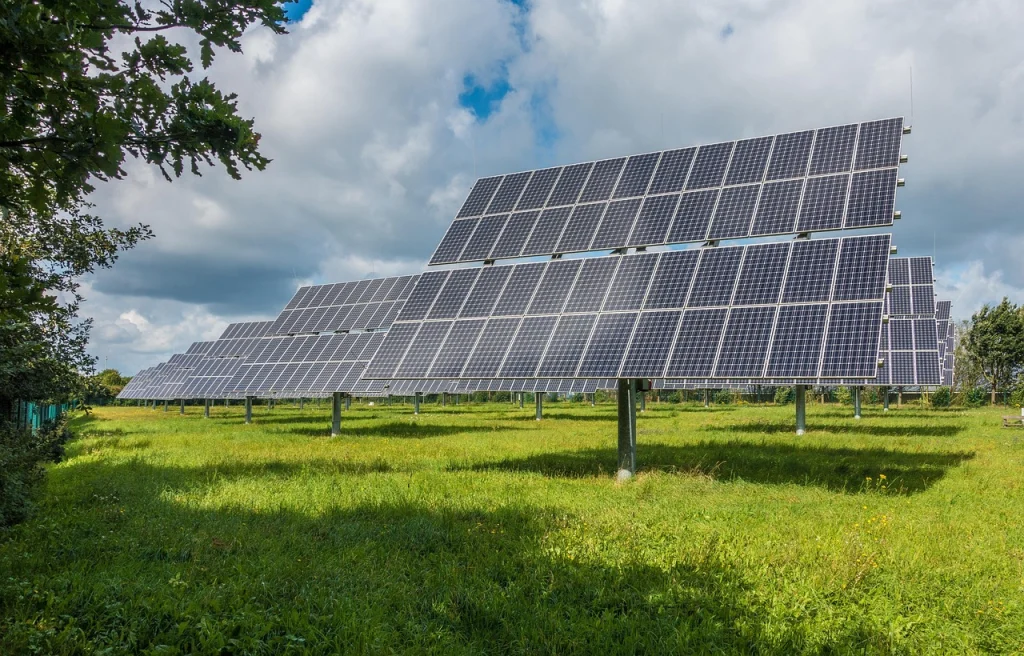
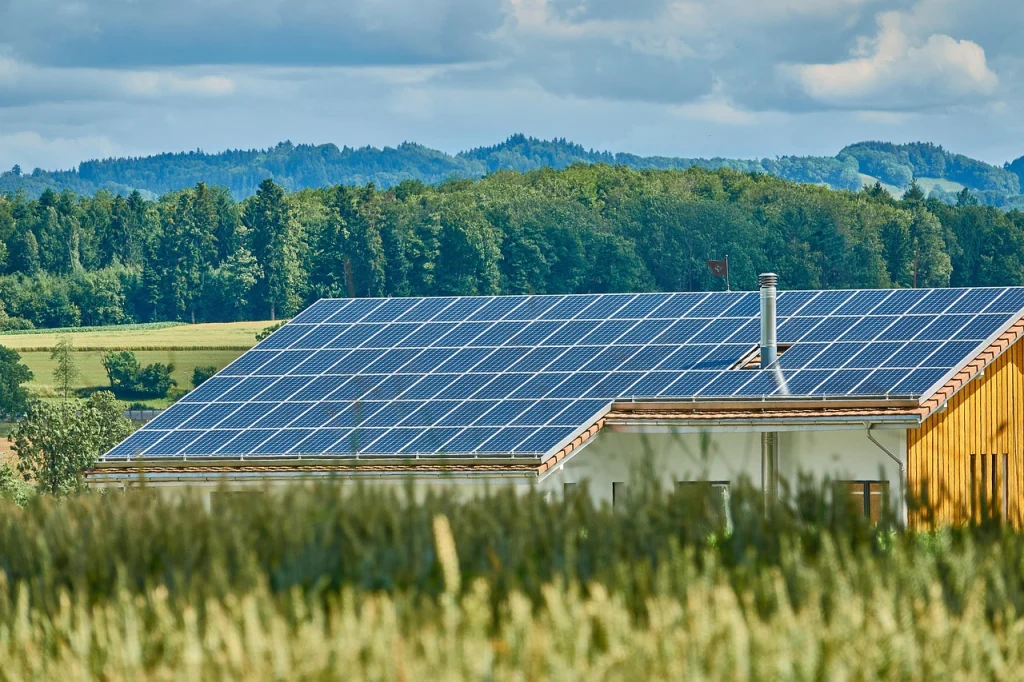
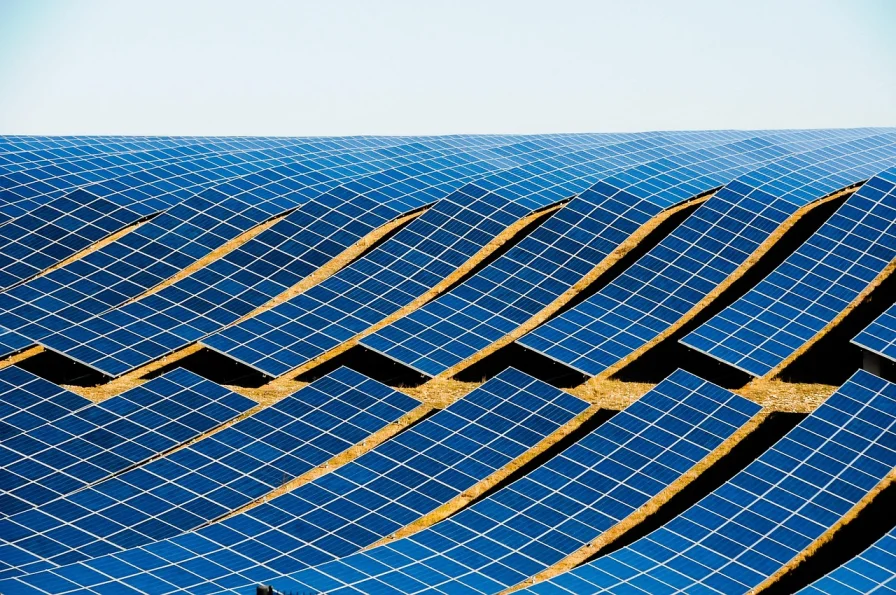
Solar panels capture sunlight and convert it into direct current (DC) electricity. The performance of the entire system depends heavily on panel efficiency and reliability.

Acropol supplies internationally recognized JA Solar and Jinko Solar panels, both known for:

  • High conversion efficiency
  • Excellent performance under high temperatures
  • Long operational lifespan exceeding 25 years
  • Strong warranties
  • Superior durability in harsh environmental conditions

Using premium photovoltaic modules ensures higher water production while maximizing return on investment.

Solar Pump

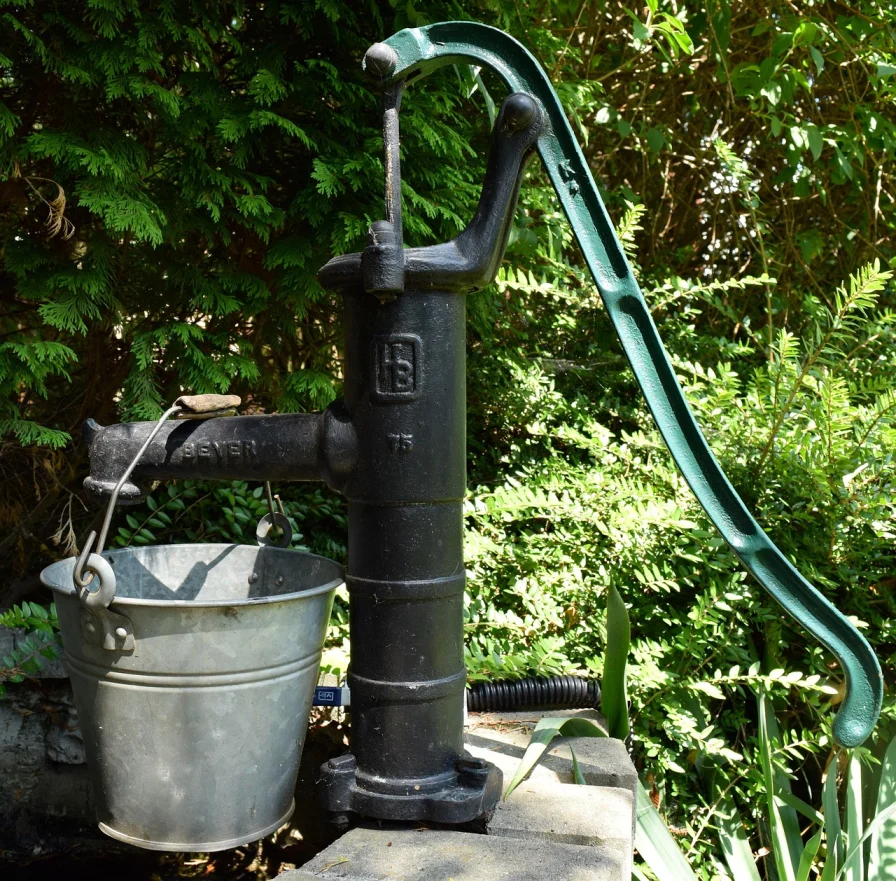
The solar pump converts electrical energy into hydraulic energy, moving water from the source to storage tanks or irrigation systems.

Depending on farm requirements, pumps may operate from wells, rivers, canals, reservoirs, or boreholes.

Solar Pump Controller

The controller regulates power generated by the solar panels and optimizes pump operation throughout varying sunlight conditions.

Modern controllers include:

  • Maximum Power Point Tracking (MPPT)
  • Dry-run protection
  • Over-voltage protection
  • Motor protection
  • Automatic start and stop functions

These intelligent features increase efficiency while extending equipment life.

Mounting Structure

Solar panels require durable mounting systems capable of withstanding wind loads and environmental conditions while maintaining the optimal tilt angle for maximum annual solar production.

Professional structural design significantly affects long-term system performance.

Water Storage Tank (Optional)

Many farms install elevated storage tanks that collect water during daylight hours for irrigation during evenings or periods of lower solar production.

Water storage often provides a more economical alternative to battery storage because it stores energy indirectly through pumped water rather than electricity.

Why Farmers Are Choosing Solar Water Pumps for Agriculture

Growing demand for solar water pumps for agriculture is driven by several economic and operational advantages.

Lower Irrigation Costs

Fuel and electricity represent significant operating expenses for agricultural businesses. Solar pumping systems eliminate most ongoing energy costs by utilizing free solar radiation.

After installation, operating expenses become remarkably low compared to diesel-powered alternatives.

Greater Energy Independence

Power outages and fuel shortages can interrupt irrigation schedules and negatively affect crop production.

Solar pumping systems provide reliable daytime operation without dependence on unstable electricity supplies.

Long-Term Financial Savings

Although installation requires an initial investment, solar water pumps for agriculture often deliver excellent long-term returns through:

  • Reduced electricity bills
  • Elimination of diesel fuel expenses
  • Lower maintenance costs
  • Longer equipment lifespan
  • Improved irrigation efficiency

For many agricultural operations, the investment pays for itself within several years before continuing to generate decades of operational savings.

Types of Solar Water Pumps for Agriculture

Selecting the correct type of solar water pumps for agriculture is one of the most important decisions when designing a solar irrigation system. Every farm has unique water requirements, irrigation methods, and groundwater conditions, making it essential to understand the available pump technologies before investing.

The right pump not only improves irrigation efficiency but also reduces operating costs and extends the lifespan of the entire solar system.

Surface Solar Water Pumps

Surface pumps are designed to move water from shallow water sources such as:

  • Rivers
  • Lakes
  • Irrigation canals
  • Reservoirs
  • Storage tanks

These pumps are installed above the water source and are ideal when the water level is relatively close to the ground surface.

Advantages

  • Lower installation cost
  • Easy maintenance
  • Simple installation
  • High efficiency for shallow water applications

Best Applications

Surface solar water pumps for agriculture are commonly used for:

  • Vegetable farms
  • Greenhouses
  • Fruit orchards
  • Fish farms
  • Open irrigation canals

Submersible Solar Water Pumps

Submersible pumps are installed inside wells or boreholes and operate below the water level.

They are specifically designed for deep groundwater extraction and can pump water from significant depths while maintaining excellent efficiency.

Advantages

  • Suitable for deep wells
  • Quiet operation
  • Higher pumping pressure
  • Excellent efficiency
  • Long service life

Best Applications

Submersible solar water pumps for agriculture are recommended for:

  • Deep agricultural wells
  • Large commercial farms
  • Desert agriculture
  • Remote irrigation projects
  • Livestock water supply

AC vs DC Solar Water Pumps

Farm owners often wonder whether they should choose AC or DC pumping systems.

DC Solar Pumps

DC pumps operate directly from photovoltaic solar panels without requiring a conventional inverter in many applications.

Benefits

  • Higher overall efficiency
  • Fewer electrical components
  • Lower maintenance requirements
  • Excellent performance during varying sunlight conditions

DC systems are widely used for small and medium-sized farms.

AC Solar Pumps

AC pumps use alternating current supplied through a solar inverter.

They are commonly selected for larger agricultural operations because of their higher capacity and compatibility with industrial pumping equipment.

Benefits

  • Suitable for high-capacity irrigation
  • Compatible with existing AC motors
  • Easy integration into large irrigation systems

How to Choose the Right Solar Water Pump for Any Farm Size

One of the biggest mistakes farmers make is selecting pumps based only on horsepower or price.

Professional system design considers multiple engineering factors to ensure optimal performance.

Step 1: Calculate Daily Water Requirements

The first step is determining how much water the farm needs every day.

Factors include:

  • Crop type
  • Number of irrigation hours
  • Seasonal demand
  • Irrigation method
  • Farm size

For example:

  • Small vegetable farms require significantly less water than commercial citrus orchards.
  • Large agricultural projects may require several hundred cubic meters of water every day.

Accurate water demand calculations prevent oversized or undersized systems.

Step 2: Determine Total Dynamic Head (TDH)

Total Dynamic Head represents the total vertical and horizontal distance the pump must move water.

It includes:

  • Well depth
  • Water level
  • Pipe length
  • Elevation differences
  • Friction losses inside pipelines

A higher TDH requires a more powerful pumping system.

Professional engineering calculations are essential for maximizing efficiency.

Step 3: Evaluate Solar Irradiance

Solar production depends on available sunlight.

Egypt enjoys excellent solar resources throughout most of the year, making solar water pumps for agriculture particularly attractive for agricultural investments.

Proper panel orientation and tilt angles maximize annual energy production.

Step 4: Select High-Efficiency Solar Panels

Solar panels determine how much electricity is available for pumping water.

Using premium photovoltaic modules increases water output while reducing long-term operating costs.

Acropol supplies globally recognized JA Solar and Jinko Solar panels because they offer:

  • Outstanding conversion efficiency
  • Excellent reliability
  • Superior performance in high temperatures
  • Long product lifespan
  • Strong manufacturer warranties

High-quality panels ensure dependable irrigation for decades.

Step 5: Consider Future Expansion

Many farms expand irrigation areas over time.

Designing a scalable solar pumping system allows additional panels or larger pumps to be integrated without replacing the entire installation.

Planning for future growth saves both time and money.

Matching Solar Water Pumps to Farm Size

Small Farms

Small farms typically require lower daily water volumes and shorter irrigation periods.

Recommended solution:

  • Compact DC pump
  • Smaller photovoltaic array
  • Drip irrigation compatibility
  • Water storage tank

These systems offer excellent affordability while significantly reducing electricity costs.

Medium-Sized Farms

Medium agricultural operations often require more powerful pumping systems capable of supplying multiple irrigation zones.

Recommended features include:

  • Medium-capacity submersible pump
  • MPPT controller
  • High-efficiency solar array
  • Automated irrigation scheduling

These systems balance performance, reliability, and investment costs.

Large Commercial Farms

Large agricultural projects require advanced engineering and custom-designed solar water pumps for agriculture.

Typical installations include:

  • High-capacity submersible pumps
  • Large photovoltaic fields
  • Smart monitoring systems
  • Multiple irrigation zones
  • Automated pressure control
  • Remote performance monitoring

Acropol designs commercial agricultural solar pumping systems tailored to the specific requirements of each project, ensuring maximum efficiency, reduced operating expenses, and long-term investment value.

Installation Process for Solar Water Pumps for Agriculture

Proper installation is one of the most important factors affecting the efficiency and lifespan of solar water pumps for agriculture. Even the highest-quality equipment cannot deliver optimal performance without professional engineering, accurate sizing, and correct installation practices.

At Acropol, every agricultural solar pumping project follows a structured engineering process to ensure reliable operation and maximum return on investment.

Step 1: Site Assessment

Every successful project begins with a comprehensive site survey.

Engineers evaluate several factors, including:

  • Farm location
  • Available installation area
  • Daily solar radiation
  • Existing irrigation infrastructure
  • Water source type
  • Groundwater depth
  • Crop water requirements

This information forms the foundation for designing an efficient solar pumping system.

Step 2: Water Requirement Analysis

Understanding the farm’s daily water consumption is essential before selecting any equipment.

The engineering team calculates:

  • Daily water demand
  • Peak irrigation hours
  • Seasonal water variations
  • Future expansion requirements

Accurate calculations prevent oversizing or undersizing the system, both of which can reduce efficiency and increase unnecessary costs.

Step 3: System Design

Once water requirements have been established, engineers determine:

  • Solar panel capacity
  • Pump size
  • Controller specifications
  • Pipe diameters
  • Mounting structure design
  • Electrical protection devices

Professional system design maximizes water production while minimizing investment costs.

Step 4: Professional Installation

Installation includes:

  • Mounting photovoltaic panels
  • Installing the solar pump
  • Connecting electrical components
  • Programming the controller
  • Testing water flow
  • System commissioning

Acropol performs every installation according to international engineering standards to ensure long-term reliability.

Factors Affecting the Cost of Solar Water Pumps for Agriculture

The total investment depends on several technical factors rather than a single fixed price.

Pump Capacity

Larger pumps require larger photovoltaic systems and therefore increase the total project cost.

Well Depth

Deep wells require more powerful pumps and greater energy production.

Higher pumping heads generally require additional solar panels.

Daily Water Demand

Projects requiring continuous irrigation naturally require larger systems than seasonal or low-demand farms.

Solar Panel Quality

Panel quality directly influences system performance.

Acropol installs premium JA Solar and Jinko Solar panels because they provide:

  • Higher efficiency
  • Better performance in hot climates
  • Long operational life
  • Excellent manufacturer warranties

Although premium panels may have a higher initial cost, they generate more electricity over their lifetime, increasing long-term savings.

Irrigation Method

Different irrigation methods require different pumping capacities.

For example:

Drip Irrigation

  • Lower water consumption
  • Higher efficiency
  • Smaller pumping systems

Sprinkler Irrigation

  • Higher pressure requirements
  • Larger pumps
  • Greater energy demand

Matching the pumping system to the irrigation method improves efficiency while reducing operating costs.

Return on Investment

One of the greatest advantages of solar water pumps for agriculture is their excellent financial return.

Unlike diesel-powered irrigation systems, solar pumps use free solar energy every day.

Farm owners benefit from:

  • Eliminating fuel expenses
  • Reducing electricity bills
  • Lower maintenance costs
  • Increased irrigation reliability
  • Higher agricultural productivity

Depending on system size and annual water demand, many agricultural projects recover their investment within a few years while continuing to produce savings for more than two decades.

This makes solar water pumps for agriculture one of the most cost-effective renewable energy investments available today.

Maintenance Requirements

Modern solar pumping systems require relatively little maintenance compared to diesel generators.

Routine maintenance typically includes:

Cleaning Solar Panels

Dust accumulation reduces energy production.

Regular cleaning ensures maximum electricity generation throughout the year.

Inspecting Electrical Connections

Periodic inspections help identify loose connections or damaged cables before they affect system performance.

Pump Inspection

Routine maintenance of the pump improves efficiency and extends operational life.

Professional servicing also reduces unexpected downtime during irrigation seasons.

Monitoring System Performance

Many modern solar pumping systems include monitoring software that tracks:

  • Daily water production
  • Solar energy generation
  • Pump operating hours
  • System efficiency

Continuous monitoring allows problems to be detected before they become major failures.

Common Mistakes When Choosing Solar Water Pumps for Agriculture

Many farmers focus only on equipment prices instead of overall system performance.

The most common mistakes include:

Selecting an Undersized Pump

A pump that is too small cannot provide sufficient irrigation capacity.

Installing Low-Quality Solar Panels

Cheap photovoltaic modules often suffer from reduced efficiency, shorter lifespans, and lower long-term energy production.

Ignoring Professional Engineering

Improper hydraulic calculations frequently result in poor system performance and unnecessary operating costs.

Choosing the Lowest Price Instead of the Best Value

The lowest initial price rarely delivers the highest return on investment.

A professionally designed system using premium components often produces significantly greater savings over its lifetime.

Why Acropol Is the Ideal Partner for Agricultural Solar Projects

Selecting the right engineering company is just as important as selecting the right equipment.

Acropol provides complete renewable energy solutions designed specifically for agricultural applications across Egypt.

Our services include:

  • Solar water pumps for agriculture
  • Custom solar irrigation system design
  • Premium JA Solar panels
  • High-performance Jinko Solar panels
  • Solar water heaters
  • Dimas solar heating systems
  • Ariston gas water heaters
  • Underfloor heating systems
  • Wall heating systems
  • Swimming pool heating systems
  • Boilers
  • Professional installation
  • Preventive maintenance
  • Technical support

By combining engineering expertise with globally recognized products, Acropol delivers reliable systems that maximize water availability, reduce operating costs, and provide long-term investment value for farms of every size.

The Future of Solar Water Pumps for Agriculture in 2026

Agriculture is entering a new era where renewable energy is becoming a key driver of productivity and sustainability. As fuel prices continue to rise and governments encourage clean energy adoption, solar water pumps for agriculture are expected to become the preferred irrigation solution for farms of all sizes.

Several technological advancements are shaping the future of agricultural solar pumping systems, including:

Higher-Efficiency Solar Panels

Manufacturers continue to improve photovoltaic technology, enabling solar panels to generate more electricity using the same installation area.

Premium products such as JA Solar and Jinko Solar panels deliver exceptional performance even under high temperatures, making them ideal for Egypt’s climate.

Smart Irrigation Integration

Modern irrigation systems are increasingly integrated with smart technologies that automatically adjust watering schedules based on:

  • Soil moisture
  • Weather forecasts
  • Crop growth stages
  • Water consumption

When combined with solar water pumps for agriculture, these technologies significantly improve water efficiency while reducing operational costs.

Remote Monitoring Systems

Today’s solar pumping systems can be monitored remotely through mobile applications and cloud platforms.

Farm owners can monitor:

  • Pump performance
  • Water production
  • Solar energy generation
  • System alarms
  • Daily operating hours

Remote monitoring improves maintenance planning and minimizes downtime.

Greater Energy Independence

As battery technologies continue to evolve, agricultural operations will become even less dependent on conventional electricity sources.

Hybrid solar systems will provide greater flexibility for irrigation during cloudy weather and nighttime operations.

Frequently Asked Questions

How long do solar water pumps last?

High-quality solar water pumps for agriculture typically operate for 15 to 20 years or more with proper maintenance. Premium photovoltaic panels often continue producing electricity for more than 25 years.

Are solar water pumps suitable for large farms?

Yes. Modern solar water pumps for agriculture can be engineered for farms of every size, from small family farms to large commercial agricultural projects.

Proper engineering calculations ensure sufficient water supply regardless of farm size.

Can solar pumps replace diesel pumps completely?

In many agricultural applications, yes.

A properly designed solar pumping system can fully replace diesel-powered irrigation, eliminating fuel expenses and reducing maintenance costs.

Which type of solar panel is recommended?

For maximum efficiency and long-term reliability, premium photovoltaic modules such as JA Solar and Jinko Solar are among the most recommended choices for agricultural projects.

How much maintenance is required?

Routine maintenance is relatively simple and generally includes:

  • Cleaning solar panels
  • Inspecting electrical connections
  • Checking pump performance
  • Performing scheduled preventive maintenance

Compared to diesel-powered systems, maintenance requirements are significantly lower.

Conclusion

Investing in solar water pumps for agriculture has become one of the smartest decisions farmers can make in 2026. Rising electricity and fuel prices continue to increase irrigation costs, making solar-powered pumping systems a practical, sustainable, and financially rewarding alternative.

Whether you manage a small farm, a commercial agricultural project, or a large irrigation network, selecting the right solar pumping system can dramatically reduce operating expenses while improving water availability and crop productivity.

The success of any agricultural solar project depends not only on choosing high-quality equipment but also on working with an experienced engineering company capable of designing a system that matches your farm’s specific requirements.

With professional engineering, premium photovoltaic technology, and expert installation, solar water pumps for agriculture deliver reliable irrigation, lower operating costs, and excellent long-term returns for decades.

Why Choose Acropol?

Acropol is one of Egypt’s trusted providers of integrated renewable energy solutions, delivering complete systems designed to maximize efficiency and investment value.

Our comprehensive solutions include:

  • Solar water pumps for agriculture
  • Complete solar power systems
  • Premium JA Solar panels
  • High-efficiency Jinko Solar panels
  • Solar water heaters
  • Dimas solar heating systems
  • Ariston gas water heaters
  • Underfloor heating systems
  • Wall heating systems
  • Swimming pool heating systems
  • Boilers
  • Professional engineering design
  • Installation and commissioning
  • Preventive maintenance
  • Long-term technical support

Every project is designed according to the customer’s energy requirements, water demand, and future expansion plans to ensure maximum system performance and return on investment.

Looking for a reliable and cost-effective irrigation solution that reduces operating expenses while increasing farm productivity?

Acropol provides professionally engineered solar water pumps for agriculture tailored to farms of every size. From the initial site assessment and system design to installation and after-sales support, our experienced team delivers complete renewable energy solutions using globally recognized products from JA Solar and Jinko Solar.

Whether you are upgrading an existing irrigation system or planning a new agricultural project, Acropol helps you invest with confidence through high-quality equipment, expert installation, and ongoing technical support.

Contact Acropol today\ to schedule a professional consultation and discover how the right solar pumping system can transform your farm into a more efficient, productive, and sustainable operation for years to come.

📞 Contact Us | ✉️ Send Your Inquiry | 🌐 Visit Our Website