Introduction
Solar energy has moved from being an alternative energy source to becoming a practical investment for homeowners, businesses, factories, farms, hotels, and commercial properties. As electricity costs continue to influence household and business budgets, more buyers are asking the same fundamental questions before investing: How does solar energy work? How much electricity can solar panels produce? What size system do I need? Do solar panels work on cloudy days? Are batteries necessary? And most importantly, is solar energy a good investment in 2026?
These are among the most important questions about solar energy for anyone considering a photovoltaic system.
Egypt is particularly suitable for solar power because of its strong solar resource and high levels of sunlight throughout much of the year. However, good solar performance is not simply a matter of buying panels and placing them on a roof. System design, panel orientation, inverter selection, electrical protection, installation quality, energy consumption, and maintenance all influence the final result.
Recent solar FAQ content increasingly focuses on practical buyer concerns rather than basic definitions alone. Leading resources organize questions around system types, components, costs, return on investment, sizing, batteries, installation, maintenance, and performance in different weather conditions.
This guide answers the most important questions about solar energy that buyers in Egypt should understand before making a purchasing decision in 2026.
What Is Solar Energy and How Does It Work?
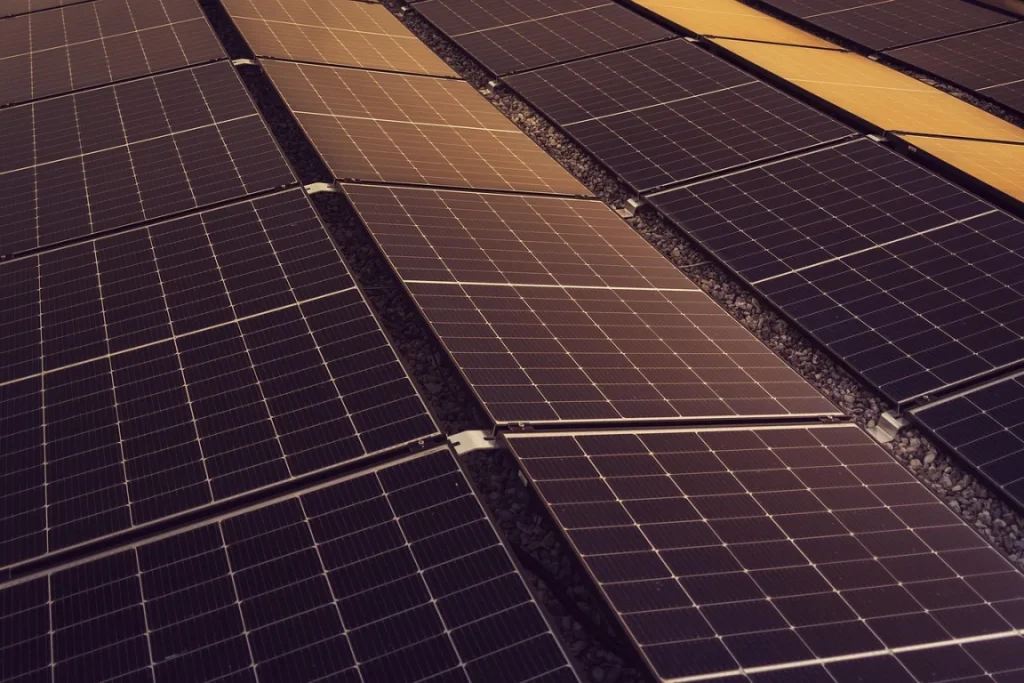
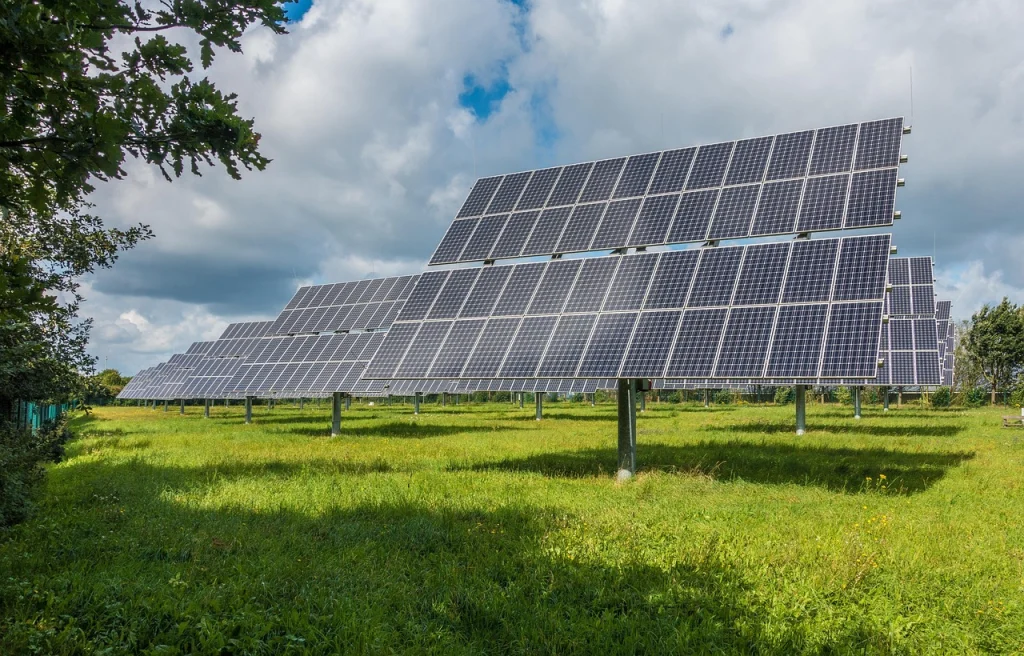
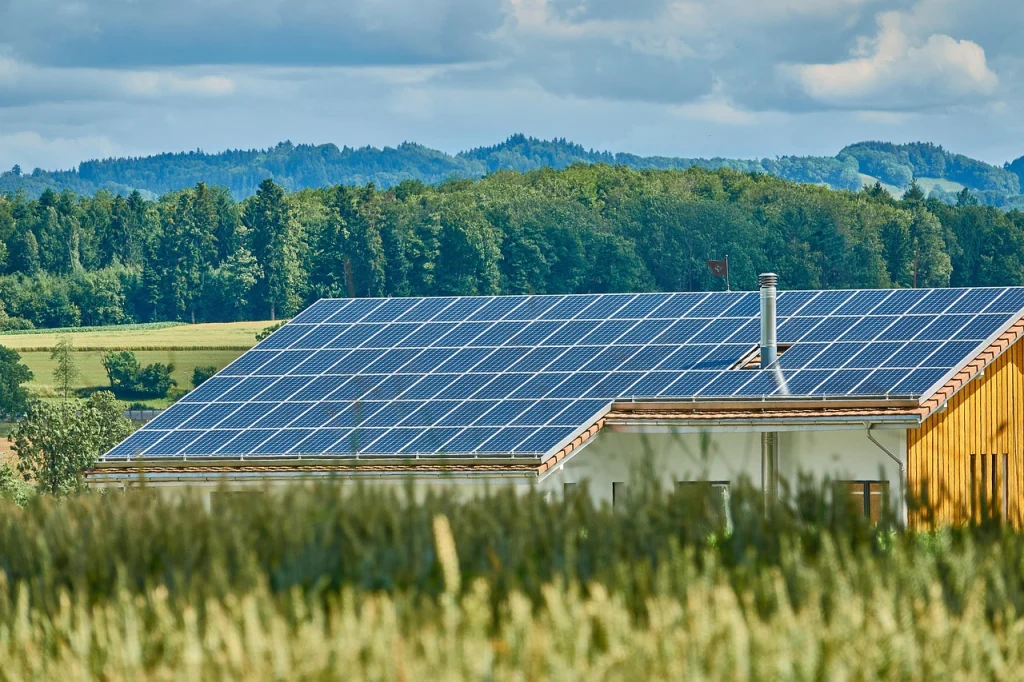
Solar energy is energy obtained from sunlight. In photovoltaic systems, solar panels use semiconductor cells to convert sunlight directly into direct-current electricity.
The electricity produced by the panels is then processed by an inverter, which converts DC electricity into AC electricity suitable for normal electrical appliances.
A basic solar power system usually contains:
- Solar panels
- Solar inverter
- Mounting structure
- DC and AC cables
- Electrical protection devices
- Monitoring equipment
- Batteries when energy storage is required
The exact configuration depends on whether the property requires an on-grid, off-grid, or hybrid system.
Top Questions About Solar Energy Every Buyer Should Ask
1. Can Solar Panels Power an Entire Home?
Yes, a properly designed solar system can provide a substantial portion or potentially all of a home’s electricity demand.
However, there is no universal system size that works for every property.
The required capacity depends on:
- Monthly electricity consumption
- Number and type of appliances
- Air-conditioning usage
- Operating hours
- Available roof area
- Solar irradiation
- Desired level of energy independence
- Battery requirements
The correct approach is to analyze actual electricity consumption before selecting the number of panels.
This is one of the most important questions about solar energy because buying a system that is too small can result in disappointing savings, while oversizing a system can unnecessarily increase the initial investment.
Full details about Why Investing in Solar Energy Is Growing in Egypt: Market Insights for 2026
2. How Much Electricity Does a Solar Panel Produce?
A panel’s wattage does not equal the amount of electricity it produces every day.
For example, a 550-watt panel is rated to produce up to 550 watts under specified laboratory test conditions. Actual production depends on sunlight, temperature, shading, orientation, dust, system losses, and inverter performance.
A simplified calculation is:
Daily energy production = System capacity × peak-sun-hours × system efficiency
Actual output should therefore be estimated using local solar conditions and the specific project location.
For Egypt, professional system design is particularly important because high temperatures, dust accumulation, and installation conditions can affect real-world output.
Discover more about How Harnessing Solar Energy Can Reduce Electricity Costs and Boost Efficiency
3. Do Solar Panels Work on Cloudy Days?
Yes.
Solar panels do not require direct, intense sunlight to produce electricity. They can generate electricity under cloudy conditions, although output is generally lower than on a clear sunny day.
This is an important distinction: photovoltaic panels respond to available solar radiation, not simply to heat.
Recent Egypt-focused solar guidance confirms that panels can continue producing electricity during winter and cloudy weather, with lower production compared with sunnier conditions.
For this reason, a properly designed system should be based on annual and seasonal production rather than assuming the same output every day.
4. Do Solar Panels Work at Night?
No.
Photovoltaic panels require sunlight to generate electricity, so they do not directly produce electricity at night.
There are two common solutions:
Grid-connected systems
The property can draw electricity from the electrical grid when solar production is unavailable.
Battery-based systems
A battery stores excess solar electricity generated during the day and makes it available after sunset.
The choice depends on the property’s energy objectives and the technical configuration of the system.
5. Do I Need Solar Batteries?
Not necessarily.
This is another major question about solar energy because many buyers assume every solar system requires batteries.
An on-grid system can operate without batteries. During periods when solar production is insufficient, electricity can be supplied by the grid.
Batteries become particularly valuable when the customer wants:
- Backup electricity
- Greater energy independence
- Night-time use of stored solar energy
- Protection against certain power interruptions
- Better control over energy consumption
However, batteries increase the initial system cost and should therefore be selected according to actual energy requirements.
Discover more about How Harnessing Solar Energy Can Reduce Electricity Costs and Boost Efficiency
6. What Is the Difference Between On-Grid, Off-Grid, and Hybrid Solar?
On-Grid Solar
An on-grid system operates in conjunction with the electrical grid.
It is generally suitable for homes and businesses that already have reliable grid access.
Advantages
- Lower initial cost than battery-heavy systems
- No large battery bank required
- Efficient daytime solar utilization
- Suitable for many urban properties
Off-Grid Solar
An off-grid system operates independently of the electrical grid and normally requires battery storage.
It is suitable for:
- Remote farms
- Desert locations
- Isolated facilities
- Areas without reliable grid access
Hybrid Solar
A hybrid system combines solar panels, the grid, and battery storage.
It provides greater flexibility and can be particularly useful where backup power is important.
Understand more about JA Solar Panels Review: Great Value or Hidden Risks?
7. How Do I Choose the Right Solar System Size?
System sizing should begin with energy consumption rather than the number of panels.
A professional assessment considers:
Electricity consumption
Review several electricity bills to determine average and peak consumption.
Daily load profile
Determine when electricity is being consumed. A property that consumes most of its electricity during daylight hours may benefit differently from one that consumes heavily at night.
Roof area
Available installation space determines how many panels can physically be installed.
Shading
Nearby buildings, trees, water tanks, and other structures can reduce solar production.
Future electricity demand
If you expect to add air conditioners, pumps, electric vehicles, or other major loads, the future demand should be considered during system design.
Understand more about Electric Heater Egypt 2026 — Best Options for Safe and Efficient Home Heating
8. Which Solar Panels Should I Buy?
Panel selection should focus on more than wattage or price.
Important specifications include:
- Module efficiency
- Temperature coefficient
- Product warranty
- Performance warranty
- Degradation rate
- Mechanical load ratings
- Certifications
- Manufacturer reputation
- Availability of after-sales support
Acropol provides solar solutions using internationally recognized brands including JA Solar and Jinko Solar. Its published solar offerings include JA and Jinko modules for residential and commercial applications.
A high-quality panel installed correctly can provide reliable production for many years, making product quality an important part of the overall investment decision.
9. Why Is the Solar Inverter Important?
The inverter is one of the most important components of a photovoltaic system.
Solar panels generate DC electricity, while most household and commercial appliances use AC electricity. The inverter performs this conversion and manages the electrical interaction between the solar array, loads, batteries, and grid depending on the system architecture.
A quality inverter can contribute to:
- Efficient energy conversion
- System monitoring
- Protection against electrical faults
- Better energy management
- Reliable long-term operation
The inverter must be correctly matched to the solar array and electrical loads.
10. How Long Do Solar Panels Last?
Quality photovoltaic panels are designed for long-term operation.
Many manufacturers provide performance warranties extending to around 25 years or more, although the exact warranty terms depend on the manufacturer and model.
Long service life is one of the reasons solar energy is considered a long-term infrastructure investment rather than a short-term appliance purchase.
However, panel longevity depends on:
- Manufacturing quality
- Installation quality
- Environmental conditions
- Cleaning and maintenance
- Electrical protection
11. Do Solar Panels Need Maintenance?
Solar systems generally require less maintenance than conventional power-generation equipment, but they are not maintenance-free.
Routine maintenance may include:
Panel cleaning
Dust and dirt can reduce the amount of sunlight reaching the photovoltaic cells.
Electrical inspection
Technicians should periodically inspect cables, connectors, protection devices, and the inverter.
Performance monitoring
Comparing actual production with expected output can help identify problems early.
Structural inspection
Mounting structures should be checked to ensure that panels remain secure.
Acropol also provides solar maintenance services, including photovoltaic panel maintenance and solar pump and solar water-heater services.
12. Does High Temperature Affect Solar Panel Performance?
Yes.
Solar panels operate most efficiently under specific test conditions, and electrical output generally decreases as cell temperature increases beyond the reference temperature.
This is particularly relevant in Egypt.
Therefore, panel selection should consider the temperature coefficient, ventilation behind the panels, mounting method, and overall system design.
Choosing a high-quality module alone is not enough. Proper installation is equally important.
13. How Much Roof Space Do I Need?
The required area depends on:
- Panel wattage
- Panel dimensions
- Required system capacity
- Spacing between panels
- Roof obstacles
- Maintenance access
- Shading
Higher-wattage panels can produce more power from each module, potentially reducing the number of panels required for a specific system capacity.
However, the available roof area should be measured before finalizing the design.
14. Is Solar Energy a Good Investment in 2026?
For many homes and businesses, solar energy can be a strong long-term investment.
The financial case depends on:
- Electricity consumption
- Solar production
- System price
- Financing cost
- Equipment lifespan
- Electricity tariffs
- Maintenance
- Battery requirements
A simple return-on-investment calculation compares the total project cost with annual electricity savings.
Example
If a solar system costs EGP 500,000 and generates savings of EGP 100,000 annually, a simplified payback estimate would be:
EGP 500,000 ÷ EGP 100,000 = 5 years
This is only an illustrative calculation. Actual payback must be calculated using the property’s real consumption, system production, financing, maintenance, and applicable electricity arrangements.
Acropol’s published solar content also emphasizes evaluating total system cost against annual savings rather than judging an installation solely by its initial price.
15. Is the Cheapest Solar System the Best Choice?
No.
Price is important, but it should not be the only purchasing criterion.
An unusually cheap quotation may reflect differences in:
- Panel quality
- Inverter quality
- Mounting structures
- Cable specifications
- Protection equipment
- Installation workmanship
- Warranty coverage
- Monitoring
- After-sales service
The correct comparison is between complete systems, not individual panel prices.
A slightly higher initial investment in reliable components and professional installation can produce better long-term value.
16. Can Solar Energy Be Used for Water Heating?
Yes, but it is important to distinguish between photovoltaic electricity systems and solar thermal water heaters.
A photovoltaic system produces electricity.
A solar water heater uses solar thermal energy to heat water directly.
Acropol offers both solar electricity solutions and solar water-heating products, including Dimas solar water heaters. The company also provides integrated heating solutions.
This makes it possible to design a broader energy solution around the property’s actual requirements.
17. Can Solar Energy Be Used for Water Pumps?
Yes.
Solar-powered water pumps are particularly useful for agricultural and remote applications.
They can be used for:
- Irrigation
- Water transfer
- Wells
- Farms
- Remote water systems
Acropol provides solar-powered water pump solutions and identifies agricultural pumping as one of its renewable-energy applications.
18. What Other Energy Solutions Can Be Integrated With Solar?
A modern energy strategy does not necessarily stop at photovoltaic panels.
Depending on the property, solar energy can be integrated with:
- Solar water heaters
- Gas water heaters
- Boilers
- Underfloor heating
- Wall heating
- Swimming pool heating
- Solar water pumps
- Battery storage
Acropol’s current service offering combines solar systems with heating and water-heating solutions, including JA Solar and Jinko Solar panels, Dimas solar water heaters, Ariston gas water heaters, boilers, underfloor heating, wall heating, swimming-pool heating, and solar pumps.
19. What Should I Ask a Solar Company Before Signing a Contract?
Before purchasing a system, ask the installer:
Technical questions
- What is the proposed system capacity?
- How much electricity is expected annually?
- Which panel model will be installed?
- Which inverter will be used?
- Is battery storage included?
- What protection equipment is included?
Installation questions
- Who will perform the installation?
- What mounting structure will be used?
- How will shading be assessed?
- What electrical safety measures are included?
Warranty questions
- What is the product warranty?
- What is the performance warranty?
- What does the installation warranty cover?
- Who handles warranty claims?
Financial questions
- What is the total installed cost?
- Are there additional fees?
- What is the expected annual saving?
- What is the estimated payback period?
These questions about solar energy can prevent many purchasing mistakes.
20. What Are the Most Common Solar Installation Mistakes?
Choosing equipment based only on price
The cheapest equipment is not necessarily the most economical over 20 or 25 years.
Ignoring actual electricity consumption
System sizing should be based on real consumption data.
Poor panel positioning
Incorrect orientation, tilt, or shading can reduce production.
Using unsuitable cables or protection devices
Electrical components should be properly specified for the system.
Neglecting maintenance
Dust and undetected electrical problems can reduce performance.
Hiring an inexperienced installer
Professional engineering and installation are essential for safety and long-term performance.
Why Choose Acropol for Solar Energy Solutions in Egypt?
Acropol positions itself as a trusted Egyptian provider of integrated solar and heating solutions. Its published services include residential solar installations, solar-water-heater installation and maintenance, solar-pump services, solar panel maintenance, and central-heating systems.
For solar photovoltaic projects, Acropol offers JA Solar and Jinko Solar panels and provides system design based on the customer’s consumption and project requirements.
The company’s broader portfolio includes:
- JA Solar solar panels
- Jinko Solar solar panels
- Dimas solar water heaters
- Ariston gas water heaters
- Boilers
- Underfloor heating
- Wall heating
- Swimming pool heating
- Solar water pumps
- Solar system installation and maintenance
This integrated approach can be valuable for property owners who want to address electricity generation, water heating, and heating requirements through one coordinated energy strategy.
Final Buyer Checklist
Before investing in solar energy in 2026, make sure you have answered these questions:
- How much electricity does my property actually consume?
- How much of this consumption occurs during daylight?
- What solar system capacity do I need?
- Do I need batteries?
- Which panel technology is appropriate?
- Which inverter should I use?
- How much roof space is available?
- Is there any shading?
- What is the expected annual energy production?
- What is the estimated payback period?
- What warranties are included?
- Who will install and maintain the system?
Answering these questions before purchasing will help you compare quotations intelligently and avoid focusing on the initial price alone.
Frequently Asked Questions About Solar Energy
What is the most important question to ask before installing solar panels?
The most important question is how much electricity the property actually needs. System capacity should be determined from real consumption data rather than simply selecting a standard package.
Can solar panels work during winter?
Yes. Panels continue producing electricity during winter, although production varies with sunlight availability and weather conditions.
Do I need batteries with an on-grid solar system?
Not necessarily. An on-grid system can operate without batteries, depending on the intended configuration and applicable grid arrangements.
Are JA Solar and Jinko Solar suitable for Egypt?
Both are established global solar-panel manufacturers and are offered by Acropol for Egyptian residential and commercial applications. The appropriate model should be selected according to system design and site conditions.
How long does a solar system last?
Solar panels are generally designed for decades of operation, with many products carrying performance warranties of around 25 years or longer. Other components, particularly inverters and batteries, may have different service lives and warranties.
Is solar energy profitable?
Solar energy can provide strong long-term financial savings, but profitability depends on system cost, electricity consumption, solar production, financing, maintenance, and the project’s operating conditions.
Conclusion
The most important questions about solar energy are no longer limited to understanding what solar panels are. Today’s buyer needs to understand system sizing, panel technology, inverter selection, batteries, installation quality, maintenance, electricity consumption, and return on investment.
Solar energy can be an excellent long-term investment in Egypt, but the quality of the final result depends on designing the complete system around the property rather than purchasing individual components based solely on price.
For homeowners, businesses, factories, farms, and commercial properties, the right approach is to begin with an energy assessment, determine the required capacity, select reliable equipment, and work with an experienced installation company.
Acropol provides integrated renewable-energy solutions in Egypt using internationally recognized solar brands such as JA Solar and Jinko Solar, alongside Dimas solar water heaters, Ariston gas water heaters, boilers, underfloor and wall heating, swimming-pool heating, and solar water pumps.
Start Your Solar Investment With Acropol
Are you still comparing solar systems, prices, panels, batteries, and installation companies?
Do not make your decision based on the lowest quotation alone.
Contact Acropol for a professional assessment of your electricity consumption and a customized solar solution designed around your property’s actual requirements.
With Acropol, you can explore:
- Commercial Solar Power Solutions
- JA Solar panels and Jinko Solar panels
- The best solar heater
- Tha best gas heaters
- Boilers
- Solar water pumps
- Underfloor heating and Wall heating systems
- Swimming pool heating systems
Make your energy investment based on efficiency, reliability, and long-term value.
Contact Acropol today and take the first step toward cleaner energy, lower operating costs, and a smarter energy strategy for 2026 and beyond.
📞 Contact Us | ✉️ Send Your Inquiry | 🌐 Visit Our Website