Best 3 Inch Submersible Pump for Solar Irrigation in Egypt

Solar-powered irrigation is becoming an increasingly practical solution for farms, agricultural projects, gardens, and remote water systems across Egypt. With rising operating costs and the need to reduce dependence on conventional electricity or fuel-powered pumping, solar water pumping offers an attractive way to move groundwater without the continuous fuel expense associated with traditional systems.

However, choosing the right pump is where many irrigation projects succeed or fail.

If you are searching for the Best 3 Inch Submersible Pump for Solar Irrigation in Egypt, the first thing to understand is that pump diameter alone does not determine performance. A 3-inch submersible pump may be an excellent solution for a narrow borehole, but the correct model must also match the required flow rate, total dynamic head, water source, solar array, controller, pipework, and irrigation method.

A properly designed solar pumping system can provide dependable water for drip irrigation, sprinklers, tanks, livestock, and agricultural applications while reducing long-term operating costs.

In this guide, we will explain how to choose a 3 inch submersible pump, what specifications matter most, how solar pumping works, common installation mistakes, and why working with an experienced company such as Acropol can make a major difference in the long-term value of your investment.

What Is a 3 Inch Submersible Pump?

A 3 inch submersible pump is a compact pump designed to operate underwater, commonly inside a borehole or well with a restricted diameter.

Unlike surface pumps, a submersible pump is installed below the water level. Instead of pulling water from the surface, it pushes water upward through the delivery pipe.

This design provides several important advantages for agricultural applications.

Why 3 Inches Matters

Many agricultural wells and boreholes have limited internal diameters. A large pump may simply not physically fit inside the well.

A 3 inch submersible pump is designed for applications where space is restricted.

Manufacturers offer 3-inch models specifically for wells of approximately 3 inches or larger, with different combinations of flow rate and head depending on the model. Some models are designed for domestic and irrigation applications, while others are optimized for higher-head or specialized pumping conditions.

This makes the 3-inch format particularly useful when an irrigation project requires a compact pumping solution.

Why Use a 3 Inch Submersible Pump for Solar Irrigation?

Solar irrigation combines a water pump with photovoltaic panels and a suitable controller or drive.

During daylight hours, the solar panels generate electrical power. That power is delivered to the pump through the appropriate control equipment.

Instead of relying on grid electricity or a diesel generator as the primary energy source, the system uses sunlight to operate the pump.

For farms located away from reliable electrical infrastructure, this can be especially useful.

Main advantages include:

  • Lower dependence on grid electricity.
  • Reduced fuel consumption.
  • No continuous diesel fuel requirement.
  • Suitable for remote agricultural locations.
  • Automatic daytime pumping is possible.
  • Low operating costs after installation.
  • Compatibility with water storage tanks.
  • Useful for drip and sprinkler irrigation.
  • Reduced exposure to fuel price fluctuations.

Solar pump systems are particularly attractive when the farm has a good solar resource and sufficient space for photovoltaic panels.

How Does a Solar 3 Inch Submersible Pump System Work?

A typical solar irrigation system consists of several interconnected components.

The basic energy path is:

Solar Panels → Solar Controller/Inverter → Submersible Pump → Water Distribution System

Depending on the system design, water may first be pumped into a storage tank before being distributed to the irrigation network.

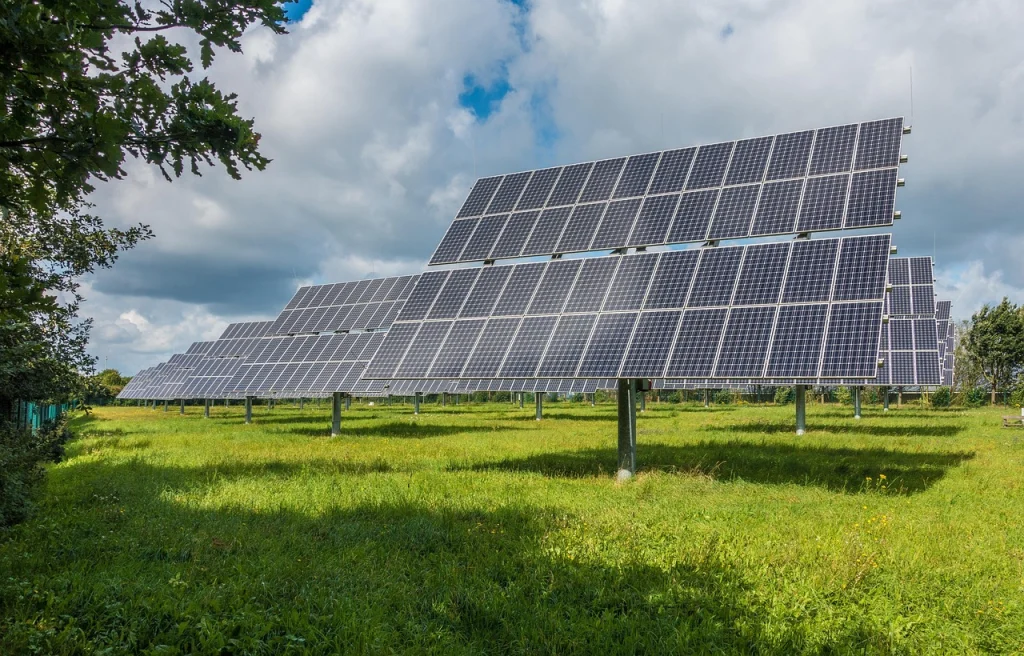
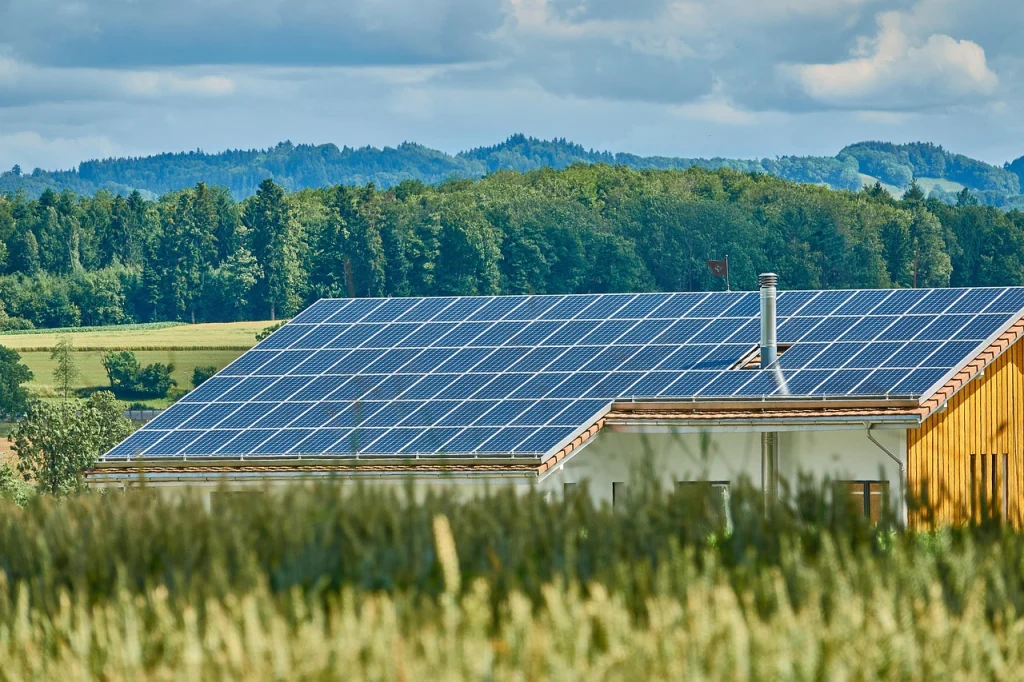
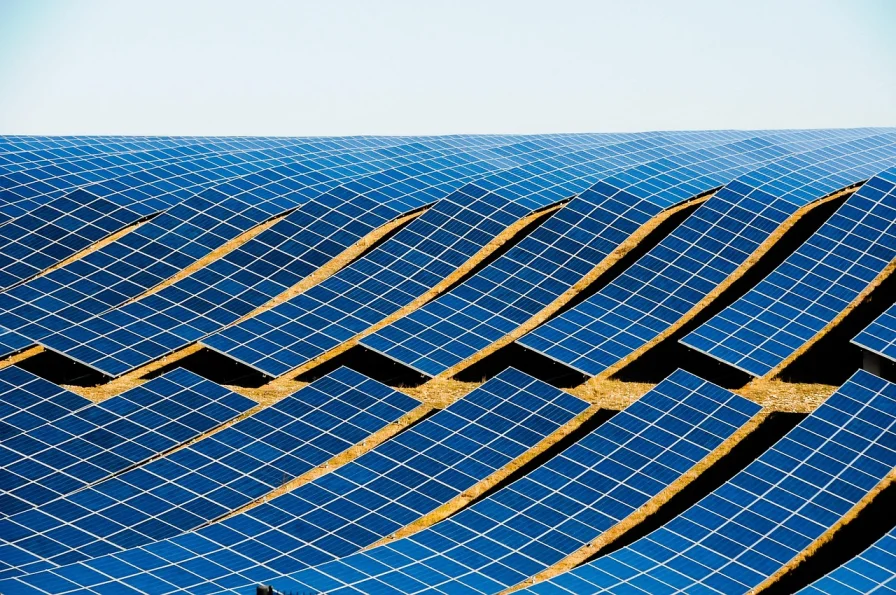
Solar Panels

The panels convert sunlight into electrical energy.

For example, JA Solar and Jinko Solar are among the panel brands that can be considered when designing a high-quality solar pumping system.

The number of panels depends on the pump’s electrical requirements, operating conditions, solar resource, and controller specifications.

Solar Pump Controller

The controller manages the electrical supply delivered to the pump.

Modern solar pump controllers may incorporate functions such as maximum power point tracking and protection against abnormal operating conditions.

Submersible Pump

The pump converts electrical energy into hydraulic energy and moves water from the well to the irrigation system or storage tank.

Pipes and Valves

The water must then travel through correctly sized pipes, valves, filters, and irrigation equipment.

A pump can be correctly selected but still deliver disappointing results if the pipework creates excessive friction losses.

Get to know more about  What Is the Best Application of Submersible Pump in Solar Supply?

How to Choose the Best 3 Inch Submersible Pump

The term “best” should never mean simply “the most expensive.”

The best pump is the one that delivers the required water at the required head while working efficiently with the available solar power.

There are several specifications that should always be reviewed.

1. Flow Rate

Flow rate indicates how much water the pump can deliver over a period of time.

It is commonly expressed in:

  • Liters per minute.
  • Cubic meters per hour.
  • Gallons per minute.

For irrigation, flow requirements depend on the crop, irrigation method, cultivated area, and watering schedule.

A pump with a very high maximum flow is not automatically better.

What matters is whether the pump can provide the required flow at the required head.

2. Total Dynamic Head

Head is one of the most important specifications when selecting a 3 inch submersible pump.

It represents the pressure requirement the pump must overcome to deliver water to the desired destination.

The calculation can include:

  • Water level inside the well.
  • Vertical elevation.
  • Pipe friction.
  • Filters.
  • Valves.
  • Pressure requirements.
  • Irrigation equipment.

For example, a pump may have a maximum head of 80 meters, but that does not mean it will deliver its maximum flow at 80 meters.

As head increases, flow generally decreases.

That is why pump curves are more useful than looking at the maximum head figure alone.

Current 3-inch pump models illustrate how widely performance can vary. Some manufacturers list models capable of around 70–80 meters of maximum head, while other 3-inch solar models are designed for substantially higher heads.

3. Well Diameter

The pump must physically fit inside the borehole.

If your well has a 3-inch internal diameter, the external dimensions of the pump assembly become critical.

Do not assume that every product advertised as a “3 inch pump” will have exactly the same dimensions or installation requirements.

Always check the manufacturer’s technical data.

Measure Before You Buy

Before purchasing a pump, confirm:

  • Internal well diameter.
  • Well depth.
  • Static water level.
  • Dynamic water level.
  • Pump installation depth.
  • Available water quantity.
  • Delivery pipe diameter.

This information allows the system designer to select an appropriate model rather than guessing.

4. Pump Power

Pump power is commonly expressed in watts, kilowatts, or horsepower.

However, buying a pump simply because it has a higher horsepower rating can be a costly mistake.

A larger motor may require:

  • More solar panels.
  • A larger controller.
  • Larger cables.
  • Higher installation costs.
  • More electrical infrastructure.

The objective is to achieve the required hydraulic performance with the appropriate electrical input.

5. Pump Efficiency

Efficiency is particularly important in solar applications.

The more efficiently the pump converts electrical energy into useful water delivery, the more effectively the available solar energy can be used.

High efficiency can help reduce the size of the solar array required for a particular application, depending on the complete system design.

Modern solar submersible pumps may use permanent-magnet or BLDC technologies designed to improve energy utilization. Some current 3-inch solar models, for example, are marketed with BLDC/PMSM motors and MPPT-compatible control systems.

6. Water Quality

Water quality should not be overlooked.

Groundwater may contain:

  • Sand.
  • Sediment.
  • Minerals.
  • Corrosive substances.

Excessive sand can damage pump components and reduce service life.

Some manufacturers specifically design their pumps to tolerate limited quantities of sand, but the allowable concentration varies by model.

If the well produces significant sand, the system should be evaluated before selecting the pump.

Discover more abou Submersible Pump Maintenance Secrets for Reliable Solar Pumps

 AC vs DC 3 Inch Submersible Pumps for Solar

One of the most important decisions is choosing the appropriate motor technology.

DC Solar Pumps

DC or brushless DC pumps can be designed specifically for direct solar applications.

Advantages may include:

  • Efficient operation.
  • Direct compatibility with solar controllers.
  • Good performance at variable solar input.
  • Reduced conversion stages in some configurations.

AC Submersible Pumps

AC pumps are widely available and may be integrated into solar systems through an appropriate inverter or variable-frequency drive.

They can be attractive when:

  • The pump is already available.
  • Grid electricity is also required.
  • Hybrid operation is desired.
  • A compatible solar inverter is available.

The correct choice depends on the application rather than the label “DC” or “AC” alone.

Understand more about Duplex Submersible Pump Specifications for Solar: Efficient or Overrated?

3 Inch Submersible Pump for Drip Irrigation

Drip irrigation requires a controlled and relatively consistent water supply.

The pump must be selected according to the total flow requirement of the irrigation network.

A typical system may include:

Well → 3 Inch Submersible Pump → Main Pipe → Filter → Pressure Regulation → Drip Lines

Why Filtration Matters

Drip irrigation systems have small water passages that can become blocked by sediment.

Even if the pump itself can handle some suspended particles, irrigation equipment may require filtration.

Therefore, the pump and irrigation system should be designed together.

Find out more about Why a Swimming Pool Heat Pump Is the Best Option for Eco-Friendly Pool Heating

3 Inch Submersible Pump for Sprinkler Irrigation

Sprinkler systems generally require adequate pressure at the sprinklers.

That means head becomes especially important.

The design must account for:

  • Elevation.
  • Pipe losses.
  • Required sprinkler pressure.
  • Number of sprinklers operating simultaneously.
  • Main pipe diameter.

Choosing a pump based only on its maximum flow can result in insufficient pressure at the far end of the irrigation network.

Solar Panel Sizing for a 3 Inch Submersible Pump

Solar panel sizing is not simply a matter of matching panel wattage to pump horsepower.

A proper design considers:

  • Pump rated power.
  • Controller requirements.
  • Solar irradiation.
  • Operating hours.
  • Seasonal variation.
  • Well depth.
  • Required flow.
  • Required head.
  • System losses.

For example, a 1 kW pump does not automatically require exactly 1 kW of solar panels.

The designer may need additional photovoltaic capacity to accommodate real-world conditions and controller requirements.

Current commercial solar 3-inch pump specifications demonstrate that manufacturers may recommend different photovoltaic input capacities for pumps with different heads and flow requirements.

Get to know more about Composite wall heat transfer Made Efficient and Affordable by Acropol  Wall Heating 

Should You Use Batteries With Solar Irrigation?

In many agricultural pumping systems, batteries are not necessary.

Instead, the system can pump water during daylight hours into a storage tank.

The tank then acts as the energy-storage mechanism in the form of stored water.

This can be more economical than purchasing a large battery bank.

Example

During sunny hours:

Solar energy → Pump → Water Tank

Later:

Water Tank → Irrigation Network

This approach can significantly simplify the system when irrigation scheduling allows daytime pumping and stored-water distribution.

However, batteries may be considered when pumping must continue during periods without sufficient solar generation and no alternative water-storage strategy is practical.

Why Water Storage Can Be Better Than Battery Storage

For many agricultural projects, storing water can be more economical than storing electricity.

A properly sized tank allows the solar pump to operate when solar energy is available, while irrigation can occur later according to the farm’s schedule.

This approach can reduce:

  • Battery replacement costs.
  • Battery maintenance.
  • Electrical storage complexity.
  • Dependence on nighttime solar generation.

The correct solution depends on the farm’s water requirements and operating schedule.

Common Mistakes When Buying a 3 Inch Submersible Pump

Choosing by Horsepower Alone

A high-power pump can still be unsuitable if its hydraulic curve does not match the required operating point.

Ignoring the Well’s Dynamic Water Level

The water level can change when pumping begins.

Using only the static water level can lead to incorrect head calculations.

Ignoring Pipe Losses

Long pipelines and small-diameter pipes can create significant friction losses.

Using an Incompatible Controller

The controller must match the pump’s electrical characteristics.

Installing Without Dry-Run Protection

If the water level falls below the safe operating point, the pump can be damaged depending on its design.

Buying Based on Maximum Head

Maximum head is not the same as useful operating head.

Always evaluate the pump curve.

Pump Protection Features You Should Consider

A quality solar pumping system should incorporate appropriate protection.

Depending on the pump and controller, useful features may include:

Dry-Run Protection

Helps prevent operation when there is insufficient water.

Overload Protection

Helps protect the motor from excessive electrical load.

Overvoltage and Undervoltage Protection

Useful when solar input varies significantly.

Overtemperature Protection

Protects equipment when operating temperatures become excessive.

Surge Protection

Can help protect electrical components against transient voltage events when properly designed.

The exact protection requirements should be determined by the equipment manufacturer and electrical design.

Installation of a 3 Inch Submersible Pump

Professional installation is critical.

The pump should be positioned at an appropriate depth while avoiding contact with the bottom of the well.

The installation typically includes:

  1. Checking the well.
  2. Confirming water depth.
  3. Connecting the pump.
  4. Installing the delivery pipe.
  5. Securing the pump correctly.
  6. Connecting electrical cables.
  7. Installing the solar controller.
  8. Connecting the photovoltaic array.
  9. Installing protection devices.
  10. Testing flow and pressure.

Cable Selection

Submersible pump cables must be selected according to:

  • Current.
  • Voltage.
  • Cable length.
  • Installation conditions.
  • Temperature.
  • Voltage drop.

Using an undersized cable to save money can increase losses and create unnecessary heating.

Maintenance Tips for a Solar 3 Inch Submersible Pump

Solar pumping systems generally require less routine intervention than fuel-powered pumping systems, but maintenance is still essential.

Clean the Solar Panels

Dust and dirt can reduce solar generation.

In agricultural areas, dust accumulation can be particularly significant.

Monitor Pump Performance

Compare actual water delivery with expected performance.

A gradual reduction may indicate:

  • Well problems.
  • Pump wear.
  • Sand.
  • Pipe blockage.
  • Electrical issues.

Inspect Connections

Check cables, connectors, and electrical protection devices.

Check Filters

Irrigation filters should be cleaned according to water quality and system requirements.

Monitor the Water Level

Changes in the well’s water level can affect the pump’s operating point.

Why Choose Acropol for Solar Irrigation in Egypt?

Selecting the Best 3 Inch Submersible Pump is only one part of a successful irrigation project.

The pump must be integrated with the solar array, controller, pipe network, irrigation system, and water source.

This is where professional system design becomes valuable.

Acropol provides integrated solar energy and solar pumping solutions in Egypt, with a focus on designing systems around the actual requirements of the project rather than simply selling individual components.

The company provides solar solutions using recognized photovoltaic brands such as JA Solar and Jinko Solar, in addition to solar water pumps and other energy and heating solutions.

Acropol’s broader product portfolio includes:

  • Solar energy systems.
  • JA Solar panels.
  • Jinko Solar panels.
  • Solar water pumps.
  • Dimas solar water heaters.
  • Ariston gas water heaters.
  • Boilers.
  • Underfloor heating.
  • Wall heating.
  • Swimming pool heating.

This broader technical capability can be particularly useful for agricultural, residential, commercial, and larger integrated projects where several systems need to work together.

Why Professional Sizing Saves Money

It can be tempting to search online for the cheapest 3 inch submersible pump and install it immediately.

But the initial purchase price is only one part of the investment.

A poorly selected pump may lead to:

  • Insufficient irrigation water.
  • Excessive electricity consumption.
  • Oversized solar panels.
  • Premature pump failure.
  • Pressure problems.
  • Increased maintenance.
  • Unnecessary replacement costs.

Professional sizing can prevent these problems before installation.

The Correct Investment Formula

A better approach is:

Required Water + Required Head + Solar Resource + Pump Efficiency + System Compatibility = Correct Pump Selection

This produces a more reliable investment than selecting a pump solely by price.

How Much Does a 3 Inch Submersible Pump Cost?

There is no single price that applies to every 3-inch pump.

The final cost depends on:

  • Motor power.
  • Head.
  • Flow rate.
  • Motor technology.
  • Materials.
  • Controller.
  • Solar panels.
  • Cable length.
  • Installation depth.
  • Pipework.
  • Protection equipment.

A complete solar irrigation system will therefore cost more than the pump alone.

When comparing quotations, make sure you know whether the price includes:

  • Pump.
  • Controller.
  • Solar panels.
  • Mounting structure.
  • Electrical cables.
  • Protection.
  • Pipes.
  • Installation.
  • Testing.
  • Warranty.

Comparing only the pump price can create a misleading picture of the actual investment.

3 Inch Submersible Pump vs Larger Borehole Pumps

A 3-inch design is particularly useful when well diameter is restricted.

Larger pumps may provide higher flow rates, but they require larger boreholes and may not be physically compatible with an existing well.

The correct question is not:

“Is a 3-inch pump better than a 4-inch pump?”

The correct question is:

“Which pump can deliver the required water at the required head within the physical and electrical limitations of my well?”

That is the basis of proper pump selection.

Is a 3 Inch Submersible Pump Suitable for Egyptian Farms?

It can be an excellent option when the well diameter, water requirements, and pumping depth are compatible with the pump.

Egyptian agricultural applications can benefit from solar pumping because irrigation demand often coincides with periods of strong solar availability.

Potential applications include:

  • Agricultural farms.
  • Drip irrigation.
  • Greenhouses.
  • Garden irrigation.
  • Livestock water supply.
  • Remote wells.
  • Water storage tanks.
  • Small and medium irrigation systems.

However, groundwater conditions vary considerably from one location to another.

A proper site assessment should therefore be completed before selecting equipment.

Questions to Ask Before Buying a 3 Inch Submersible Pump

Before placing an order, ask these questions:

What is the required flow rate?

Determine how much water the irrigation system actually needs.

What is the total dynamic head?

Include elevation and pipe losses.

What is the well diameter?

Confirm that the pump physically fits.

What is the dynamic water level?

Do not rely solely on the static water level.

How many hours will the pump operate?

This affects solar sizing and water storage.

Is the pump compatible with the solar controller?

Electrical compatibility is essential.

Is dry-run protection available?

This can be particularly important for borehole applications.

What is the warranty?

Understand what components and labor are covered.

Who will install and commission the system?

Professional installation can significantly affect reliability.

Frequently Asked Questions

What is the best 3 inch submersible pump for solar irrigation?

There is no universally best model. The right pump depends on the required flow, total dynamic head, well diameter, water quality, solar resource, and irrigation system.

Can a 3 inch submersible pump run directly from solar panels?

Some DC solar pumps are specifically designed for solar operation, while other pumps require a compatible controller or inverter. The pump and solar equipment must be designed as a compatible system.

Does a 3 inch pump work with drip irrigation?

Yes, provided the pump delivers the required flow and pressure and the system includes appropriate filtration and pressure management.

Do solar pumps need batteries?

Not necessarily. Many agricultural systems pump water during daylight into a storage tank instead of storing electricity in batteries.

How deep can a 3 inch submersible pump operate?

The answer varies significantly by model. Some current 3-inch pump specifications show maximum heads around 70–80 meters, while specialized models can reach considerably higher heads. Always use the manufacturer’s performance curve and installation limits rather than assuming one depth applies to all 3-inch pumps.

How many solar panels are needed?

The number depends on the pump’s electrical requirements, controller, operating point, solar irradiation, and system losses. It should be calculated as part of the complete system design.

Is a 3 inch submersible pump expensive to maintain?

Maintenance requirements can be relatively low when the system is correctly designed and installed. However, sand, poor water quality, improper electrical connections, and dry running can increase maintenance requirements.

Conclusion

Finding the Best 3 Inch Submersible Pump for Solar Irrigation in Egypt starts with understanding your water requirements rather than starting with a product catalog.

The ideal pump must fit the borehole, deliver the required flow at the required head, work efficiently with the solar power system, and tolerate the actual water conditions.

Flow rate, total dynamic head, well diameter, pump efficiency, solar controller compatibility, water quality, cable sizing, protection, and professional installation all contribute to the final performance of the system.

For many agricultural projects, solar pumping can also provide an attractive alternative to conventional pumping by using available sunlight to reduce ongoing energy costs. Combining daytime solar pumping with water storage can make the system even more practical where irrigation does not need to occur continuously.

The most important lesson is simple: do not buy a 3 inch submersible pump based on price or horsepower alone.

Choose the pump based on the complete hydraulic and solar design.

With professional system planning and reliable equipment, solar irrigation can become a practical long-term investment for farms and agricultural projects throughout Egypt.

 Build Your Solar Irrigation System with Acropol

Choosing the right 3 inch submersible pump can make the difference between an irrigation system that simply operates and one that delivers reliable performance with a strong long-term return on investment.

Instead of choosing a pump based only on horsepower or price, let Acropol evaluate your actual irrigation requirements, well conditions, pumping head, required flow, and solar power needs.

Acropol offers integrated solar solutions using JA Solar and Jinko Solar panels, solar water pumps, and complete energy solutions designed for residential, agricultural, and commercial applications.

The company also provides Dimas solar water heaters, Ariston gas water heaters, boilers, underfloor heating, wall heating, and swimming pool heating solutions.

For farmers and investors looking for a reliable solar irrigation solution in Egypt, Acropol can help design a system focused on performance, energy efficiency, durability, and long-term investment value rather than simply offering the lowest initial price.

Contact Acropol today to discuss your well and irrigation requirements and determine the appropriate solar pump configuration for your project.

📞 Contact Us | ✉️ Send Your Inquiry | 🌐 Visit Our Website