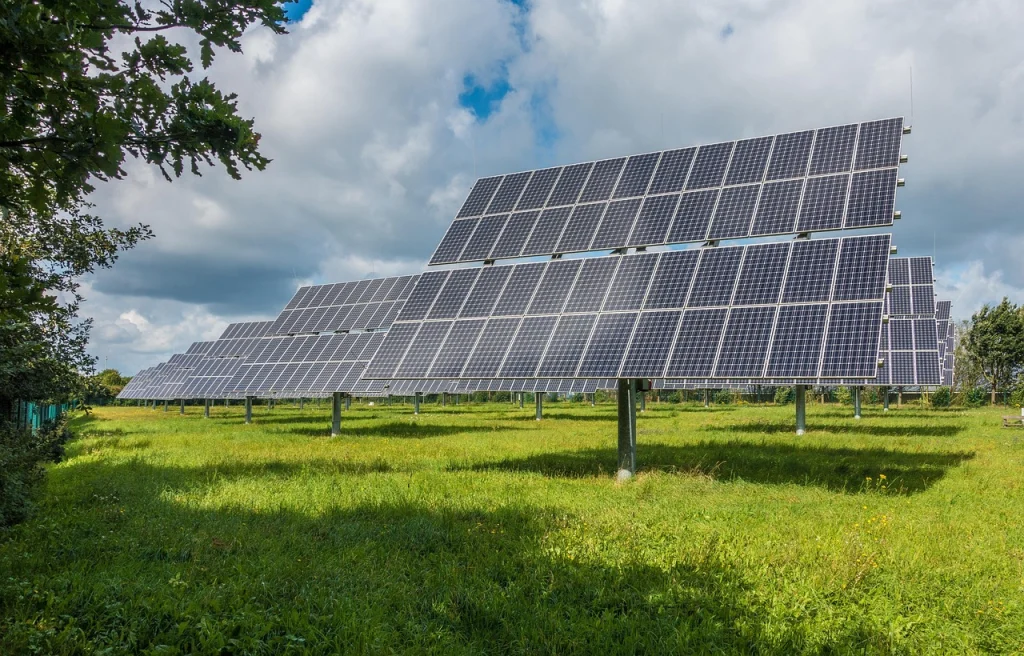
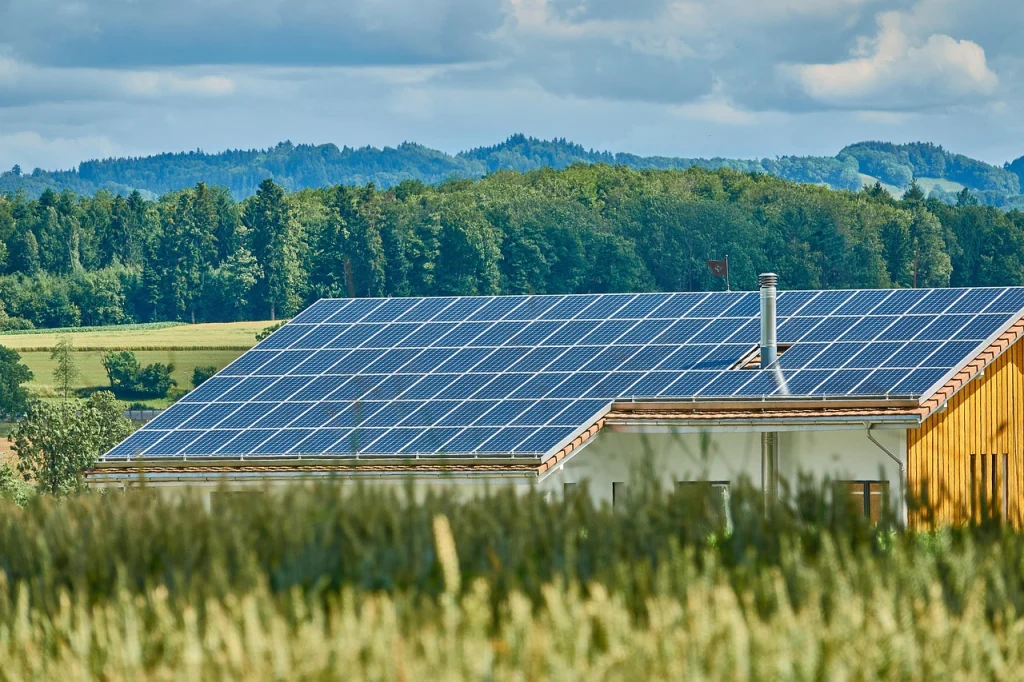
A solar inverter is one of the most critical components in any solar energy system. While solar panels are responsible for capturing sunlight and generating electricity, the solar inverter is what transforms that raw energy into usable power for homes, businesses, and facilities across Egypt. Without a properly selected and engineered solar inverter, even the most advanced solar panels cannot deliver stable, efficient, or safe electrical output.
As solar energy adoption continues to grow in Egypt, understanding how a solar inverter works and why it is essential has become increasingly important. From residential rooftops to commercial installations and integrated heating solutions, the performance of the entire system depends heavily on inverter quality, sizing, and system integration. This guide explains the role of the solar inverter, how it operates, and how professional system design ensures long-term efficiency and reliability.
What Is a Solar Inverter?
A solar inverter is an electronic device that converts direct current (DC) electricity generated by solar panels into alternating current (AC) electricity. AC power is the standard form used by household appliances, lighting systems, industrial equipment, and the national electrical grid.
Beyond basic power conversion, a modern solar inverter performs multiple advanced functions, making it the central control unit of the solar system.
Key Functions of a Solar Inverter
- DC to AC power conversion
- Voltage and frequency regulation
- Grid synchronization and safety protection
- Energy flow management between panels, batteries, and loads
- System monitoring and performance optimization
Because of these responsibilities, the solar inverter is often described as the “brain” of the solar energy system.
How a Solar Inverter Works
Understanding how a solar inverter works helps system owners make informed decisions and avoid common performance issues.
DC to AC Conversion
Solar panels produce DC electricity when exposed to sunlight. A solar inverter uses advanced power electronics to convert this DC electricity into clean, stable AC power that matches the electrical standards used in Egypt.
Synchronization and Control
In grid-connected systems, the solar inverter synchronizes its output with the grid’s voltage and frequency. This ensures smooth energy injection and prevents instability or damage to electrical equipment.
Monitoring and Protection
Modern solar inverter systems continuously monitor:
- Voltage levels
- Temperature
- Grid conditions
- Power quality
If abnormal conditions occur, the solar inverter automatically disconnects to protect the system, users, and connected equipment.
Types of Solar Inverters
Different applications require different inverter configurations. Understanding these options helps ensure optimal system performance.
1. String Inverters
String inverters are commonly used in residential and small commercial systems. Multiple solar panels are connected in series, forming a “string” that feeds into a single solar inverter.
Advantages:
- Cost-effective
- Simple installation
- Reliable for systems with uniform sunlight exposure
Limitations:
- Shading or failure of one panel can affect the entire string
2. Microinverters
Microinverters are installed at the panel level. Each panel operates independently and converts DC to AC directly.
Advantages:
- Better performance in shaded conditions
- Independent panel operation
- Detailed system monitoring
Limitations:
- Higher upfront cost
- More complex installation
3. Power Optimizers
Power optimizers work at the panel level but send optimized DC power to a central solar inverter.
Advantages:
- Improved energy yield
- Reduced impact of shading
- Centralized inverter management
Limitations:
- Requires a central inverter
- Increased system complexity
4. Hybrid Inverters
Hybrid inverters manage both solar energy generation and battery storage.
Advantages:
- Battery integration
- Backup power during outages
- Flexible energy management
Limitations:
- Higher system cost
- More complex configuration
Key Components of a Solar Inverter
To understand how a solar inverter works, it’s essential to know its key components:
1. DC to AC Conversion
The primary function of a solar inverter is to convert DC electricity, produced by solar panels, into AC electricity. This is achieved through electronic switching components that regulate the flow of electricity.
2. Maximum Power Point Tracking (MPPT)
MPPT technology optimizes the energy output of the solar panels. It continuously adjusts the electrical operating point of the panels to maximize power generation, ensuring that the system operates at its peak efficiency.
3. Monitoring and Communication
Many modern solar inverters come with monitoring features that allow you to track the performance of your solar power system. They often include communication ports and software that provide real-time data on energy production, system status, and efficiency.
Why a Solar Inverter Is Essential for Your System
1. Energy Efficiency
A high-quality solar inverter minimizes energy losses during conversion, ensuring maximum utilization of generated solar power.
2. Usable Electricity
Without a solar inverter, the DC electricity produced by panels cannot power appliances or be fed into the grid.
3. System Monitoring
Inverter monitoring allows early detection of performance issues, reducing downtime and energy loss.
4. Grid Compatibility
The solar inverter ensures compliance with grid voltage and frequency standards, enabling safe operation.
5. Safety and Protection
Built-in protections guard against overvoltage, overheating, short circuits, and grid faults.
Choosing the Right Solar Inverter
1. System Size and Type
Consider the size and type of your solar power system when choosing an inverter. String inverters are suitable for small to medium-sized systems, while microinverters and power optimizers are ideal for systems with shading issues. Hybrid inverters are best for systems with battery storage.
2. Efficiency Ratings
Look for inverters with high efficiency ratings. The efficiency of an inverter determines how well it converts DC electricity into AC electricity. Higher efficiency means more of the solar energy generated is used effectively.
3. Warranty and Support
Choose an inverter with a good warranty and reliable customer support. The warranty period typically ranges from 5 to 10 years, and a longer warranty indicates a higher-quality product. Reliable customer support ensures that you can get assistance if any issues arise.
4. Brand Reputation
Select an inverter from a reputable brand known for its quality and reliability. Research customer reviews and consult with solar professionals to ensure you’re choosing a trusted product.
5. Cost and Budget
While it’s essential to stay within your budget, don’t compromise on quality. Investing in a high-quality inverter can enhance the performance and longevity of your solar power system, providing better value in the long run.
Installation and Engineering Best Practices
Top-ranking content consistently highlights the importance of professional installation.
Correct Placement
A solar inverter should be installed in a shaded, well-ventilated location to reduce thermal stress.
Electrical Protection
Proper grounding, surge protection, and isolation devices are essential.
Commissioning and Testing
Professional commissioning ensures stable operation and compliance with design specifications.
Acropol’s Role in Selecting the Right Solar Inverter for Your Needs
- Usage-Based Inverter Selection: Acropol selects the solar inverter based on actual energy consumption and load profiles, not generic or oversized specifications.
- System Size and Future Expansion Analysis: Each inverter is chosen with consideration for system capacity and potential future expansion to ensure long-term usability.
- Full System Compatibility: Acropol ensures seamless compatibility between solar panels, batteries, and grid conditions to maintain system stability.
- Efficiency and Loss Reduction: Proper inverter sizing minimizes energy losses and reduces operational stress on system components.
- Professional Integration and Commissioning: Through expert installation and commissioning, Acropol delivers reliable solar inverter performance tailored to Egypt’s climate and electrical infrastructure.
The Role of Acropol in Solar Energy Systems
Acropol plays a key role in delivering reliable solar energy solutions in Egypt through engineering expertise rather than product branding.
Integrated Solar System Design
Acropol designs complete solar systems where the solar inverter is carefully selected to match:
- Panel configuration
- Energy usage patterns
- Grid or off‑grid requirements
- Battery integration
This engineering‑driven approach ensures high efficiency and long‑term reliability.
Trusted and Approved Expertise
Acropol is recognized in Egypt as a trusted and approved company in:
- Solar energy systems
- Underfloor heating systems
- Wall heating systems
- Swimming pool heating solutions
- Dimas solar water heaters
- Ariston gas water heaters
This broad expertise allows seamless integration between solar power and thermal systems.
Common Misconceptions About Solar Inverters
“All Inverters Perform the Same”
In reality, performance varies significantly depending on efficiency, thermal design, and system compatibility.
“Bigger Is Always Better”
Oversized solar inverter systems can operate inefficiently under partial load conditions.
“Maintenance Is Not Required”
Regular inspection is essential, especially in dusty and hot environments.
Future Trends in Solar Inverter Technology
Industry trends highlighted in top‑ranking content include:
- Smarter energy management
- Higher efficiency conversion
- Improved thermal resilience
- Better integration with heating and storage systems
These trends align with Egypt’s growing demand for reliable and efficient solar infrastructure.
Conclusion
A solar inverter is a critical component that determines how effectively solar energy is converted, managed, and utilized. Understanding how it works and how to select the right system is essential for achieving reliable performance and long‑term cost savings.
Through professional system design, integration with heating solutions, and a deep understanding of energy efficiency, Acropol supports sustainable solar installations across Egypt. By combining solar power with underfloor heating, wall heating, swimming pool heating, and efficient water heating solutions, Acropol delivers comprehensive energy systems designed for Egypt’s climate and future energy needs.
A well‑engineered solar inverter, combined with proper thermal design and insulation, is the foundation of a successful and efficient solar energy system.
harness the full potential of solar energy with the best technology available
At Acropol, we offer top-notch solar systems and the highest quality solar inverters to maximize your energy efficiency and savings. Don’t let outdated technology hold you back—upgrade to a cutting-edge solar inverter today and experience the difference in performance and reliability.
Get in touch with our experts now to find the perfect solar inverter for your needs, or explore our range of solar water heaters, central heating systems, and natural gas heaters.