The market for solar cells in Egypt is expanding rapidly as the country stakes its future on renewable energy sources. Egypt’s abundant sunlight, large desert expanses, and growing renewable energy infrastructure have created strong demand for high-quality solar cells and photovoltaic (PV) products to commercial, industrial, and residential customers. Government targets aim to significantly increase solar energy’s contribution to the national energy mix, supported by major projects, foreign investment, and new manufacturing initiatives.
In this environment, choosing the best solar cells in Egypt requires clarity on product types, performance standards, installation considerations, and trusted suppliers.
Egypt’s Solar Landscape
Egypt’s Solar Capacity and Investment
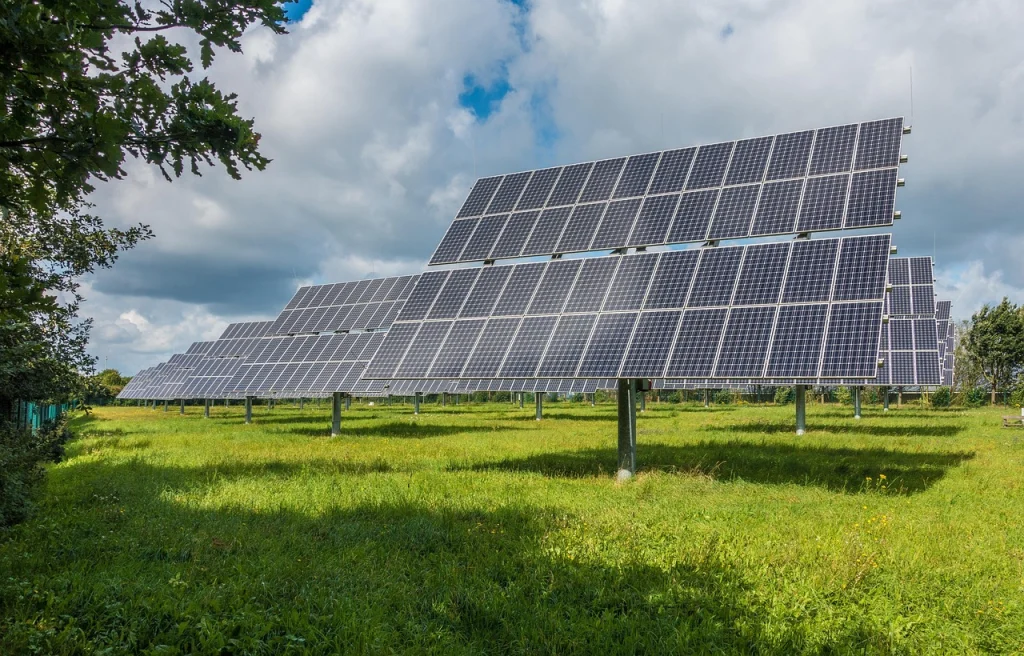
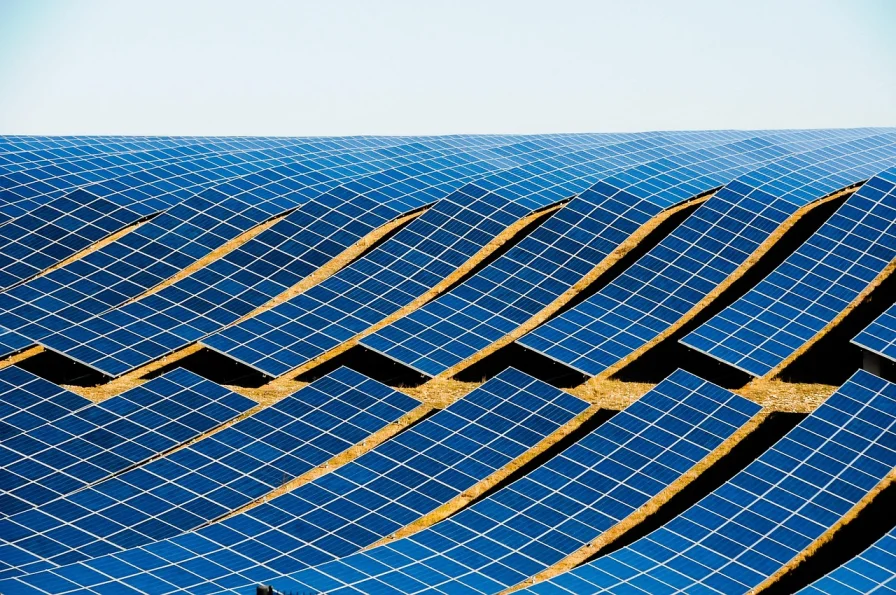
Egypt has made notable progress in renewable energy deployment. The Benban Solar Park in Aswan, one of the largest solar installations in the world, underscores the country’s commitment to PV energy generation, featuring nearly 1.65 GW of installed solar capacity.
Recent international investment has also supported local manufacturing capacity for solar components. A major facility in Sokhna — backed by international partners including JA Solar — is projected to produce four gigawatts of solar components annually, including solar cells and modules.
Industry Direction and Policy Support
Egypt’s renewable energy strategy aims to increase the share of sustainable energy sources in the national energy mix by 2030. Government initiatives, regulatory frameworks, and investment facilitation by bodies such as the New and Renewable Energy Authority (NREA) support growth in solar cells in Egypt deployment across sectors.
Read more about Off Grid Solar Power Systems: Top Solutions for 2026
Understand more about Commercial Solar Power Projects: 10 Amazing Projects
The Rise of Solar Energy in Egypt
Egypt has become a regional leader in renewable energy, particularly in solar power. The country’s strategic location with abundant sunlight makes it ideal for solar energy production. The government’s initiatives, including projects like the Benban Solar Park in Aswan, have significantly boosted the solar energy sector. As of 2026, Egypt has a solar energy capacity of 3.5 gigawatts, with plans to reach 6.8 gigawatts by the end of the year .
These developments have sparked a surge in the availability of solar cells in the market, catering to both residential and commercial needs. Whether you’re looking to reduce electricity bills at home or implement a large-scale solar project, the right solar cells are essential to achieving optimal results.
Key facts about Leading Solar Power Companies in 2026: Who’s on Top?
What Are Solar Cells and Why They Matter
Solar Cells Defined
Solar cells (photovoltaic cells) are semiconductor devices that convert sunlight directly into electricity. When many cells are combined and protected within a panel, they become a complete solar panel system capable of powering electrical loads or feeding energy into the grid.
Key Technical Parameters
To evaluate solar cells in Egypt, understand the following:
- Efficiency: Determines how much of the sunlight can be converted into electricity. Higher efficiency means more output per area.
- Temperature Coefficient: Indicative of performance stability in hot climates — an essential factor in Egypt’s environment.
- Durability and Warranty: Solar cells should have robust build quality and long-term warranties (typically 10–25 years).
Different technologies such as monocrystalline, polycrystalline, and next-generation cell types are available, each with strengths and tradeoffs in cost versus performance.
Key facts about Leading Solar Power Companies in 2026: Who’s on Top?
Popular Types of Solar Cells in Egypt
Understanding the different types of solar cells available in the Egyptian market can help you make an informed decision. Here’s a breakdown of the most common types:
1. Monocrystalline Solar Cells
Monocrystalline solar cells are made from a single crystal structure, making them highly efficient and space-efficient. They are ideal for installations where space is limited, such as residential rooftops. These cells are also known for their longevity and high performance in low-light conditions.
Advantages of Monocrystalline Solar Cells
- High Efficiency: Typically ranges between 15% to 22%.
- Durability: Offers a longer lifespan compared to other types.
- Aesthetic Appeal: Sleek black appearance, which blends well with most roofs.
Disadvantages of Monocrystalline Solar Cells
- Cost: Generally more expensive than other types.
- Performance in High Temperatures: While better than some, efficiency can still decrease slightly in extreme heat.
2. Polycrystalline Solar Cells
Polycrystalline solar cells are made from multiple silicon crystals, making them less efficient than monocrystalline cells. However, they are more affordable and are suitable for larger installations where space is not a constraint.
Advantages of Polycrystalline Solar Cells
- Cost-Effective: Less expensive to produce, making them a budget-friendly option.
- Sufficient Efficiency: Efficiency ranges between 13% to 16%, which is adequate for many applications.
Disadvantages of Polycrystalline Solar Cells
- Lower Efficiency: Requires more space to produce the same amount of energy as monocrystalline cells.
- Higher Temperature Coefficient: Performance may degrade more in high temperatures compared to monocrystalline cells.
3. Thin-Film Solar Cells
Thin-film solar cells are made by depositing one or more layers of photovoltaic material on a substrate. They are lightweight and flexible, making them ideal for unconventional installations, such as on curved surfaces or portable solar devices.
Advantages of Thin-Film Solar Cells
- Flexibility: Can be used in a variety of applications where traditional solar panels are not feasible.
- Performance in Diffused Light: Performs better in low-light conditions compared to other types.
- Aesthetics: Sleek and unobtrusive appearance.
Disadvantages of Thin-Film Solar Cells
- Lower Efficiency: Generally less efficient, with rates between 10% to 12%.
- Larger Space Requirement: More space is needed to generate the same amount of electricity as crystalline solar cells.
Explore more about Is Solar Power Cost Effective for Your Home?
Choosing the Best Solar Cells in Egypt
Selecting the right solar cells in Egypt is a multi-step process. Below are core considerations buyers should evaluate.
Step 1: Assess Your Energy Needs
Determine your daily electricity usage, system size (in kilowatts), and whether the system will be grid-tied, off-grid, or hybrid with battery backup. A professional energy audit helps define the ideal PV capacity and cell specifications.
Step 2: Evaluate Solar Cell Performance
Performance criteria should include:
- Power Output and Efficiency: Higher efficiency cells typically perform better in limited space.
- Temperature and Climate Suitability: Solar cells operating in Egypt’s hot climate should maintain performance under elevated temperatures.
- Degradation Rate: Choose products with a low annual degradation rate to ensure long-term energy production.
Step 3: Consider Brand Reputation and After-Sales Support
Selecting reputable brands and certified installers is essential. International standards, product certifications, and positive performance history are strong indicators of quality.
Step 4: Confirm Warranty and Service Terms
A solid warranty covering both product defects and performance loss ensures peace of mind. Additionally, local service availability is vital to address maintenance or repair needs efficiently.
Step 5: Compare Total Cost of Ownership
Total cost goes beyond initial purchase price. Include installation, operation, and potential maintenance costs. Some high-efficiency solar cells have higher upfront costs but lower lifetime costs due to superior performance.
Typical Applications of Solar Cells in Egypt
Residential
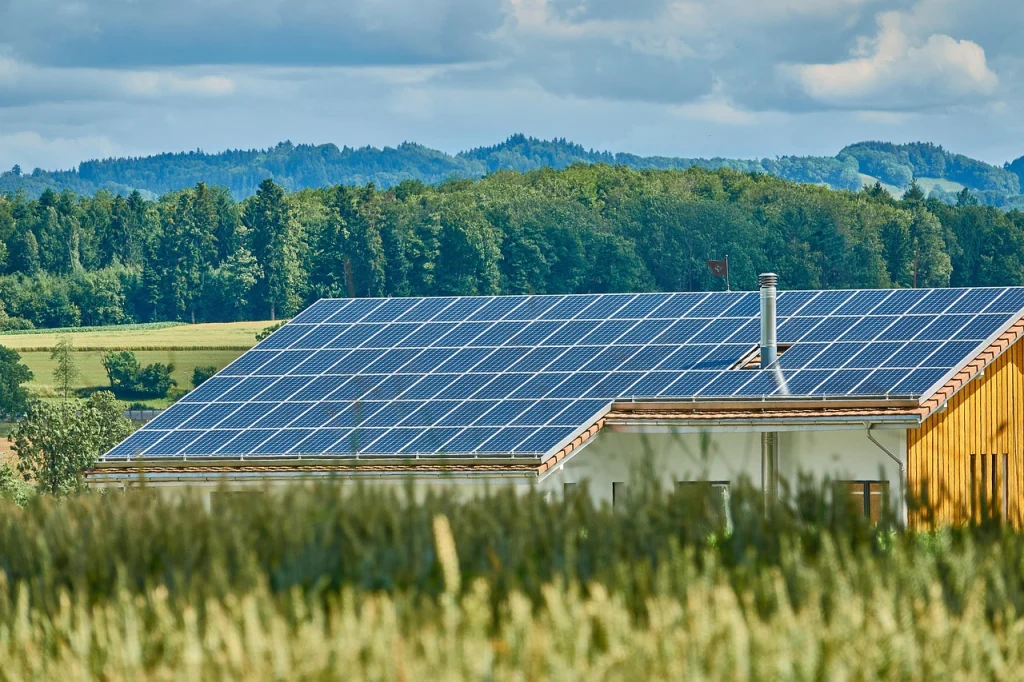
Solar cells installed on rooftops or ground-mounted structures can power household loads, reducing electricity bills and providing energy independence where grid reliability is a concern.
Commercial and Industrial
Larger facilities benefit from solar installations that lower energy expenses and support corporate sustainability goals.
Utility-Scale Operations
Large solar parks such as Benban harness high-capacity PV arrays to supply grid electricity at scale, showcasing large-system performance and economic value.
Integration with Solar Systems and PV Components
Solar cells are the core component of a PV system; however, comprehensive functionality requires:
- Inverters: Convert DC electricity to AC for grid or load use.
- Mounting Structures: Secure and orient panels optimally.
- Battery Storage: Provides backup and load balancing.
- Monitoring Systems: Track energy production and system health.
Well-designed systems use high-quality solar cells and components together to ensure efficiency and reliability.
Top Brands and Suppliers in Egypt
When selecting solar cells in Egypt, it’s essential to consider reputable brands and suppliers known for their quality and reliability. Here are some of the top players in the Egyptian market:
1. Acropol
Acropol is a prominent local supplier that has been leading the solar power market in Egypt since 2006. The company offers a variety of solar products, including solar panels, water heaters, and water pumps. Acropol’s products are designed to meet the specific needs of the Egyptian market, ensuring high performance in local environmental conditions (F6S) (Ahram Online ).
2. JA Solar
JA Solar is one of the leading manufacturers of high-performance solar products globally. Their solar panels are known for their efficiency, durability, and long warranties, making them a popular choice in Egypt. JA Solar’s products are particularly well-suited for both residential and commercial applications.
3. Jinko Solar
Jinko Solar is another top brand that offers a range of high-quality solar products. Known for their innovation and cutting-edge technology, Jinko Solar panels are efficient and reliable, making them a preferred choice for many large-scale solar projects in Egypt.
Discover more about Leading Solar Power Companies in 2026: Who’s on Top?
Role of Acropol in Egypt’s Renewable Energy Market
Acropol has established itself as a trusted provider of energy solutions in Egypt, offering expertise in solar energy systems as well as integrated heating technologies. Acropol’s role includes:
Certified Solar Energy Provider
Acropol delivers high-quality solar solutions tailored to customer needs, ensuring reliable performance for residential, commercial, and industrial installations.
Comprehensive Energy Portfolio
- Solar Water Heaters: Including Dimas brand solutions for efficient hot water production.
- Gas Water Heaters: Supplying Ariston gas-powered systems with reliable performance.
- Heating Solutions: Advanced earth-based, wall, and pool heating systems with proven reliability and efficiency.
These offerings position Acropol as a credible partner for customers seeking expert guidance and quality energy products across renewable and conventional energy applications.
Find out more about List of Solar Energy Companies in Egypt You Can Trust
Frequently Asked Questions
What Is the Cost of Solar Cells and Systems in Egypt?
The cost of PV systems depends on capacity, brand, technology, and installation specifics. Residential systems can vary widely, with competitive pricing influenced by global module prices and local market dynamics.
How Do I Maintain Solar Panels After Installation?
Routine cleaning and periodic inspections of electrical connections ensure optimal performance. Extended maintenance contracts are offered by many suppliers to provide ongoing care.
Can Solar Systems Work with Batteries?
Yes, hybrid systems with battery storage store excess energy for use during low-light conditions or grid downtime. This enhances resilience and energy independence.
Conclusion
Understanding how to choose the best solar cells in Egypt involves balancing performance, cost, durability, and trusted supplier partnerships. With Egypt’s ambitious renewable energy goals and expanding local manufacturing landscape, solar cells offer a sustainable and cost-effective path to energy generation.
Acropol stands out as a reliable partner not only for solar energy solutions but also for broader energy system needs including certified heating, solar water heating, and gas water heaters. Their comprehensive product portfolio supports customers seeking high-quality energy solutions with dependable after-sales support.
By assessing energy needs, comparing product performance, verifying warranties, and selecting reputable providers like Acropol, consumers and businesses can make confident decisions that deliver long-term energy savings and environmental benefits.
harness the power of the sun and take the first step toward energy independenceTop of Form
At Acropol, we provide the best solar panels in Egypt, designed to meet your specific needs and withstand local environmental conditions. Whether you’re looking for solar water heaters, Gas Boilers, or central heating systems, our top-tier products ensure maximum efficiency and durability. Don’t wait—transform your energy usage today with Acropol’s cutting-edge solar solutions. Contact us now to get a personalized consultation and find out how we can help you save money and contribute to a sustainable future!