

Solar Water Pump Solutions in Egypt 2026 — Save Energy and Reduce Irrigation Costs
Egypt’s agricultural sector continues to face major challenges in 2026, especially rising electricity prices, increasing diesel fuel costs, and the need for sustainable water management solutions. As a result, the demand for Solar Water Pump systems has grown rapidly across farms, agricultural projects, desert reclamation areas, and commercial irrigation operations. A Solar Water Pump provides farmers and property owners with an efficient, cost-effective, and environmentally friendly way to pump water using solar energy instead of traditional electricity or diesel-powered systems. With Egypt receiving high levels of solar radiation throughout the year, investing in a Solar Water Pump has become one of the smartest long-term decisions for reducing operating expenses and ensuring stable irrigation. This comprehensive guide explains everything about Solar Water Pump systems in Egypt, including how they work, their advantages, types, installation process, pricing factors, maintenance requirements, and why Acropol is considered one of the trusted companies in Egypt for solar energy systems and integrated renewable energy solutions. To compare irrigation, water storage and remote supply use cases, explore solar submersible pump applications. What Is a Solar Water Pump? A Solar Water Pump is a water pumping system powered entirely or partially by solar energy. Instead of relying on diesel generators or conventional electricity, the system uses solar panels to generate electricity that powers the water pump. These systems are commonly used for: The popularity of Solar Water Pump systems continues to rise because they provide reliable operation with significantly lower running costs. Get to know more about Best solar panels in the world for Maximum Power Output and Longevity How Does a Solar Water Pump Work? A Solar Water Pump system converts sunlight into electrical energy through photovoltaic solar panels. This electricity powers the pump motor, which moves water from underground wells, reservoirs, canals, or storage tanks. The basic system includes: Solar Panels Solar panels capture sunlight and generate electricity. High-efficiency solar panels are critical for maximizing performance in Egypt’s hot climate. Acropol provides premium solar panels from internationally recognized manufacturers such as JA Solar and Jinko Solar, known for high durability and long-term efficiency. Solar Inverter or Controller The inverter regulates power between the solar panels and the pump motor. It ensures stable pump operation and protects the system from voltage fluctuations. Pump Motor The motor drives the water pump. Solar Water Pump systems may use: The choice depends on water depth, irrigation requirements, and project size. Water Pump The actual pump transfers water to irrigation systems, storage tanks, or distribution networks. Find out more about Ways to Save Electricity at Home: Practical Energy-Saving Tips for 2026 Why Solar Water Pump Systems Are Growing in Egypt Rising Diesel Prices Diesel-powered irrigation systems have become increasingly expensive due to fuel price increases. A Solar Water Pump eliminates fuel dependency and significantly lowers operating expenses. High Electricity Costs Electricity tariffs continue to increase, especially for agricultural and commercial users. Solar energy provides a long-term alternative with stable operational costs. Egypt’s Ideal Solar Conditions Egypt has excellent solar exposure throughout the year, making Solar Water Pump systems highly efficient across most regions. This makes solar-powered irrigation one of the most practical renewable energy investments for farmers and agricultural businesses. Government Focus on Renewable Energy Renewable energy projects continue to receive support due to their environmental and economic benefits. Solar-powered systems align with Egypt’s long-term sustainability goals. Full details about How to Save Electricity in Summer and Winter: Expert Energy-Saving Strategies 2026 Types of Solar Water Pump Systems Surface Solar Water Pump Surface pumps are installed above ground and are commonly used for shallow water sources such as rivers, canals, ponds, and storage tanks. Advantages Best For Submersible Solar Water Pump Submersible pumps operate underwater inside deep wells and boreholes. Advantages Best For Submersible Solar Water Pump systems are among the most common choices for agricultural projects in Egypt. Benefits of Installing a Solar Water Pump Major Energy Savings One of the biggest advantages of a Solar Water Pump is reducing or eliminating electricity and diesel costs. This creates long-term savings that improve agricultural profitability. Low Operating Costs Unlike fuel-powered pumps, Solar Water Pump systems require minimal operational expenses after installation. There are: Reliable Irrigation A Solar Water Pump provides stable water access during daylight hours, ensuring reliable irrigation for crops and agricultural operations. Environmentally Friendly Solar-powered systems reduce carbon emissions and environmental pollution associated with diesel generators. Long Lifespan High-quality Solar Water Pump systems can operate efficiently for decades with proper maintenance. Find out more about Why These Are Considered the Best Commercial Solar Panels for High-Demand Sites 2026 Industries and Applications for Solar Water Pump Systems Agricultural Irrigation This is the most common use for Solar Water Pump systems in Egypt. Applications include: Desert Land Reclamation Large agricultural expansion projects depend heavily on solar-powered groundwater pumping. Livestock Farms Solar Water Pump systems provide water for animals, cleaning operations, and daily farm activities. Commercial Landscaping Hotels, resorts, golf courses, and commercial landscapes use solar pumping systems for irrigation. Acropolalso provides integrated swimming pool heating systems and solar heating solutions for hospitality projects. Discover more about Best Batteries for Solar Power System in 2026 — Ultimate Guide for Home & Business Factors Affecting Solar Water Pump System Pricing The cost of a Solar Water Pump system depends on several important factors. Pump Size Larger pumps require more power and larger solar arrays. Water Depth Deep wells require more powerful pumping systems and higher-capacity solar installations. Water Volume Requirements The amount of water needed daily affects system size and pricing. Solar Panel Quality Premium solar panels improve efficiency and long-term performance. Acropol supplies JA Solar and Jinko Solar panels, recognized globally for high-quality performance and reliability. Battery Storage Some Solar Water Pump systems include batteries for backup operation, which increases installation costs. Full details about Best Solar Panel Company for Home & Business Solar Systems in Egypt 2026 Solar Water Pump vs Diesel Pump Feature Solar Water Pump Diesel Pump Operating Cost Very Low High Fuel Dependency None Required Maintenance Low
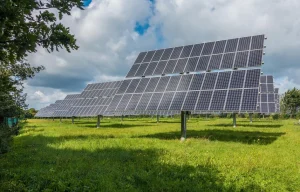
Duplex Submersible Pumps for Solar: Efficient or Overrated?
Duplex Submersible Pumps for Solar Applications A duplex submersible pump system can support irrigation, water transfer, and remote agricultural sites when it is selected as part of a complete solar pumping design. The best choice is not simply the pump with the highest horsepower: flow rate, total dynamic head, water source, pipe losses, and daily operating hours all matter. What does “duplex” mean? In many projects, duplex refers to a two-pump arrangement or a pump configuration designed for higher capacity and operational flexibility. Before purchasing, confirm the exact manufacturer specification, because terminology can differ between suppliers. When is it a good fit? Large irrigation demand that exceeds the output of a single small pump. Sites that need redundancy to reduce downtime. Applications where water demand changes across the season. Key sizing checks Start with the required daily water volume, then calculate the pumping head from water level, elevation, pressure requirements, and pipe friction. The solar array, controller or inverter, cables, protection devices, and pipe network should be sized around that duty point. Oversizing panels or choosing a pump by horsepower alone can create poor performance and unnecessary cost. Solar-pump installation essentials Use suitable electrical protection, grounding, and weather-resistant connections. Keep panels clear of shading, secure the mounting structure, and provide access for maintenance. A qualified installer should also check borehole conditions and water quality before final selection. How to compare a duplex system with a single-pump design Start by checking whether the project really needs two pumps. A duplex arrangement may provide standby capacity or let two pumps share variable demand, but it also adds controls, valves, electrical connections, and maintenance considerations. The most suitable option depends on the required water flow, pumping head, available solar energy, and the cost of downtime. For an introduction to system components and sizing considerations, see Acropol’s solar water pump guide. For common installation contexts, review the applications of submersible pumps. Practical questions before requesting a quote What water volume is required per day and at peak demand? What are the static water level, expected drawdown, discharge elevation, and pipe losses? Will the pumps alternate, run together, or serve as backup? How will the controller protect against dry running, overload, and voltage issues? What service access and spare parts are available for the selected pump model? Maintenance needs should also be assessed before selecting equipment. Acropol’s submersible pump maintenance guide covers practical inspection considerations. The final design should be based on a site survey and manufacturer performance curves rather than a generic horsepower recommendation. Conclusion A duplex submersible pump can be efficient when the hydraulic design and solar system match the site. Request a site survey and a clear performance proposal showing expected flow, head, equipment scope, and warranty terms.

What Is the Best Application of Submersible Pump in Solar Supply?
Choosing a Solar Submersible Pump Application A solar submersible pump is most useful where water is needed during daylight hours and the site has reliable solar exposure. It can serve irrigation, livestock watering, reservoirs, and remote water supply, provided that the pump and solar equipment are designed around the actual hydraulic requirement. Start with the water duty Define the required water volume per day, the borehole or source depth, the vertical lift, pipe length, and the required outlet pressure. These details determine total dynamic head and help identify the pump curve that can meet the target flow. Match the solar system to the pump The PV array, pump controller, cables, and protection equipment should be compatible with the motor. A controller designed for solar pumping can manage varying sunlight and help protect the motor. Do not choose the array solely by pump horsepower. Best practices Store water in a tank when demand extends beyond sunshine hours. Keep panels free of shading and install a durable mounting structure. Use appropriate grounding, isolation, and surge protection. Plan access for cleaning and routine inspection. Where redundancy or two-pump arrangements matter, see our guide to duplex submersible pump configurations. Conclusion The best solar-pump application is the one based on measured water demand and site conditions. A professional survey reduces the risk of low flow, oversized equipment, and avoidable operating costs.

Stop Wasting Money: Best Solar Pool Heater Tips You Need
Solar Pool Heating: Practical Tips for Better Results Solar pool heating captures heat from sunlight and transfers it to circulating pool water. Results depend on collector area, sunlight, pool cover use, plumbing layout, and weather—not on equipment price alone. Assess the pool first Measure pool surface area, desired temperature, months of use, shading, and usable roof or ground space. A heat-loss assessment is more useful than choosing equipment by name. Improve efficiency Use a pool cover to reduce nighttime heat loss and evaporation. Install collectors where they receive clear solar exposure. Run circulation when solar heat is available. Keep filters, strainers, and collectors clean. Installation essentials Use compatible pipes, valves, sensors, and controls. The mounting structure must handle weather loads, and the installation should allow routine maintenance. A qualified installer can verify the hydraulic flow and the required control method. Conclusion The right solar pool-heating system is tailored to the pool and operating season. Ask for a design that explains expected performance and system scope without promising a fixed temperature in every condition.
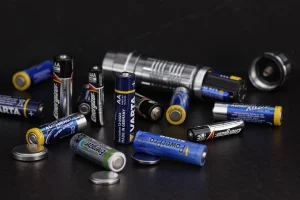
Best Batteries for Home Solar System: Stop Wasting Money
How to Choose a Home Solar Battery A battery can store solar electricity for later use and provide backup capability when the system is designed for it. It is not essential for every home; the choice should reflect consumption timing, backup needs, and budget. What to compare Usable capacity in kWh. Power rating for simultaneous loads. Cycle life and warranty terms. Compatibility with the inverter and system voltage. Safety requirements and installation conditions. Size essential loads first List appliances that must remain on during an outage, their wattage, and desired backup hours. Pumps and air conditioners need special attention because starting power can exceed normal operation. Install safely Battery equipment must be installed in a suitable location following manufacturer instructions. Protection devices, cable sizing, and commissioning should be performed by a qualified professional. Conclusion The best home solar battery is the one that safely fits the property energy profile and the whole system. Request a documented load calculation and warranty before buying.
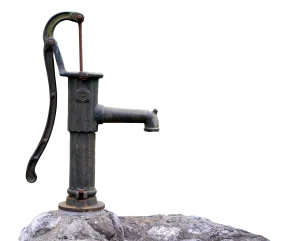
Submersible Pump Maintenance Secrets for Reliable Solar Pumps
Submersible Pump Maintenance for Solar Water Systems Regular maintenance helps a solar pumping system deliver stable water flow and reduces unexpected downtime. Most checks should focus on system performance, cleanliness, and early signs of electrical or hydraulic problems. Routine checks Compare actual flow with expected flow at the same time of day. Remove dust, leaves, and shading from solar panels. Inspect visible cables, connectors, mounting hardware, and pipe joints. Clean filters and strainers according to the equipment manual. Review controller alerts and operating records. Common warning signs Reduced water flow, frequent controller trips, unusual noise, or fluctuating pressure should be investigated promptly. These symptoms can result from water-level changes, blocked filters, pipe leaks, shading, or an electrical fault. Protect the equipment Keep the control panel dry and protected from weather exposure. Confirm that grounding and surge protection are in place and maintained. Avoid repeated manual restarts without identifying the cause of a trip. When to call a technician Work involving the submersible motor, borehole, controller wiring, or electrical protection should be handled by a qualified technician. Accurate diagnosis protects the equipment and the water supply. Conclusion A simple maintenance schedule and performance monitoring are more effective than waiting for a complete failure. Keep inspection records to spot gradual changes early.